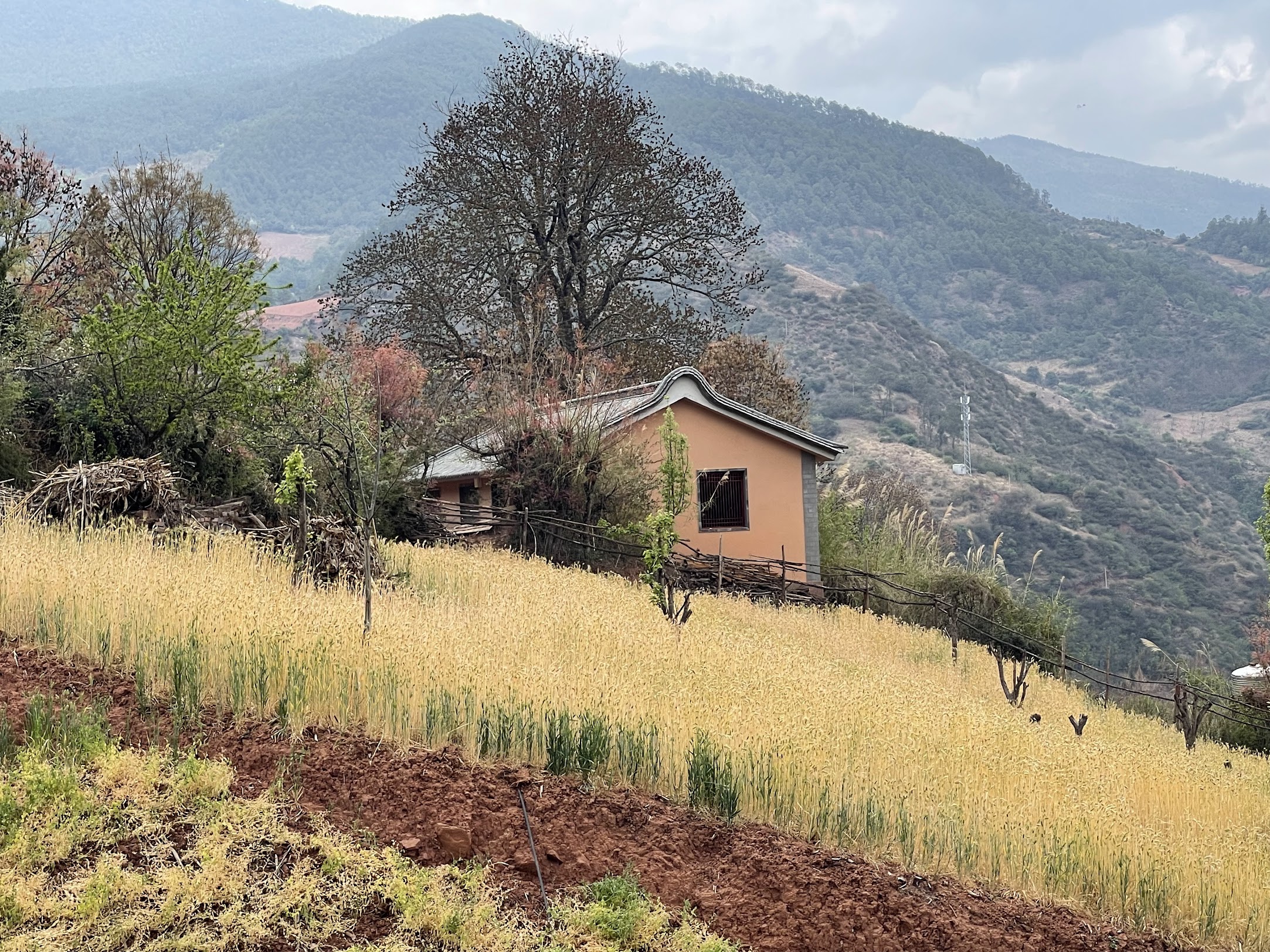
諾鄧村後山,有一塊梯形農地。麥子已熟,金黃色的穗子在春風中輕輕搖動。山腳下是一間民居,低矮的土牆,黑色的瓦頂,炊煙嫋嫋。這幅景象,在中國西南山區並不罕見;但如果你知道這塊土地已經養活了同一個家族超過二十代,就會覺得眼前的平靜,其實是一種極深的力量。
On the hillside behind Nuodeng village, a terraced field of wheat stands gold and ripe in the spring wind. Below it, a farmhouse: rammed-earth walls, black tile roof, a thread of smoke rising from the kitchen. This scene is not uncommon in China's southwest mountains — until you learn that this land has fed the same family for over twenty generations. Then the stillness of it feels like a kind of deep power.
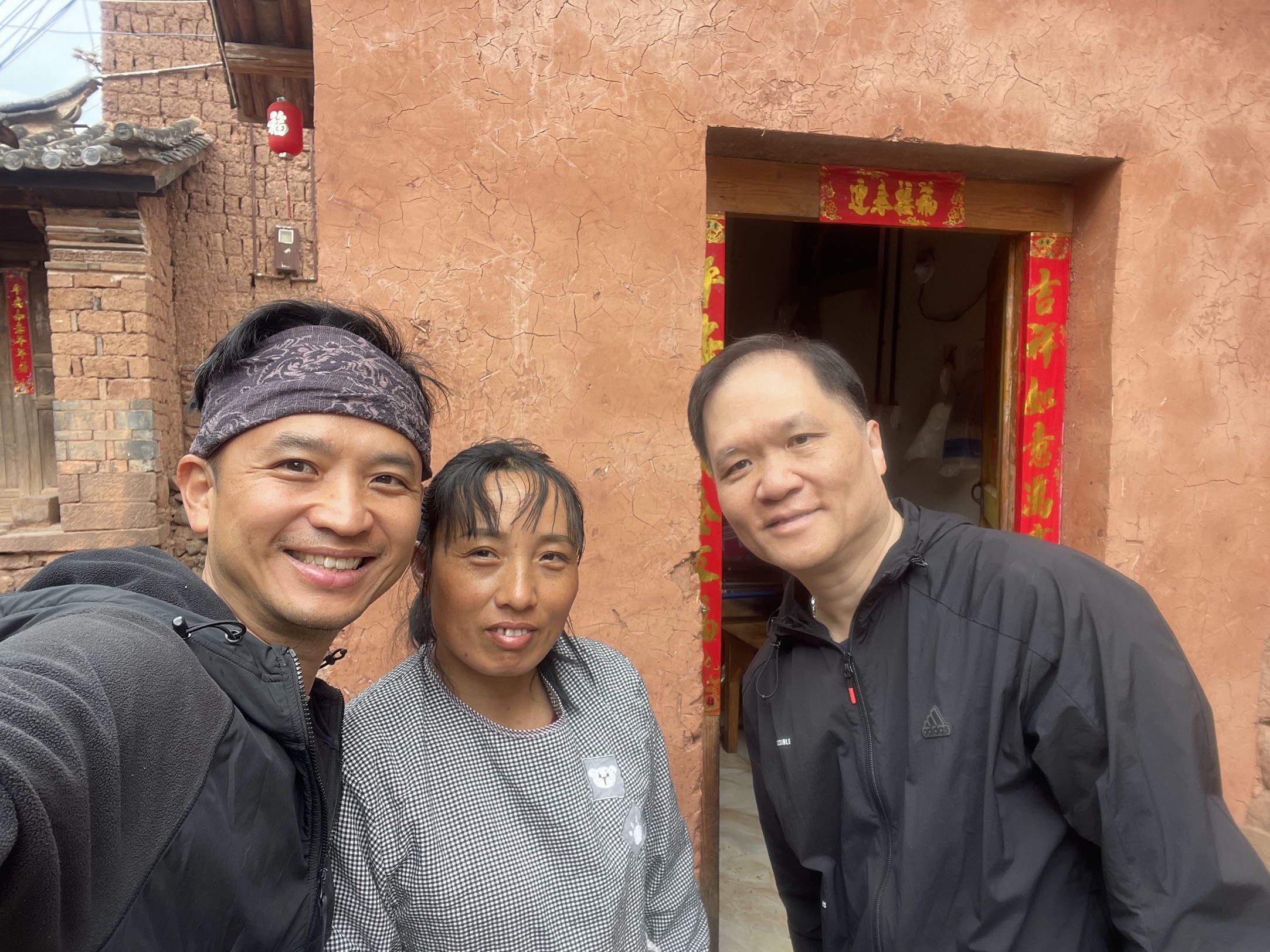
我第一次認真思考這個問題,是大約二十年前。那時獨自背包遊雲南,一個人走在少數民族聚居的山村之間,對那裡的生活方式念念不忘——不是因為它異國情調,而是因為它有一種城市人早已忘卻的從容。
I first thought seriously about this question roughly twenty years ago. I was backpacking alone through Yunnan, moving between villages of ethnic minorities in the mountains, and something about the way people lived there stayed with me — not as exotic novelty, but as a kind of ease that city people had long forgotten.
二十年後,2024年,我再次踏上雲南。說來有點失望:大理古城已經太商業化,熙來攘往,像極了一個精心佈置的主題公園。但旅行的神奇,往往在起點以外。大理不過是一個入口,一條線的起點。從大理出發,我終於去到了那個一直想去、卻始終去不到的諾鄧古村。以往去不到,原因很簡單——山路崎嶇,一旦下雨塌方,就要在路上等幾個小時,甚至一兩日。如今路修好了,這一扇門,才真正打開。
Twenty years later, in 2024, I returned. I'll be honest: Dali was a disappointment. The old town had grown too commercial — crowds, souvenir shops, the feel of a carefully curated theme park. But travel has a way of surprising you beyond its starting points. Dali was just a doorway, the first dot on a longer line. From there, I finally reached Nuodeng ancient village — a place I had wanted to visit for years but never could. The reason was simple: the mountain roads were too unreliable. A single rainstorm could trigger a landslide and strand you for hours, sometimes a day or two. Now the roads have been repaired. The door was finally open.
這種平靜,在今天卻變成了一個問題。因為市場不會主動發現你。你不去找市場,市場就讓你消失。
That quietness has become a problem today. Markets do not come looking for you. If you do not find the market, the market lets you disappear.
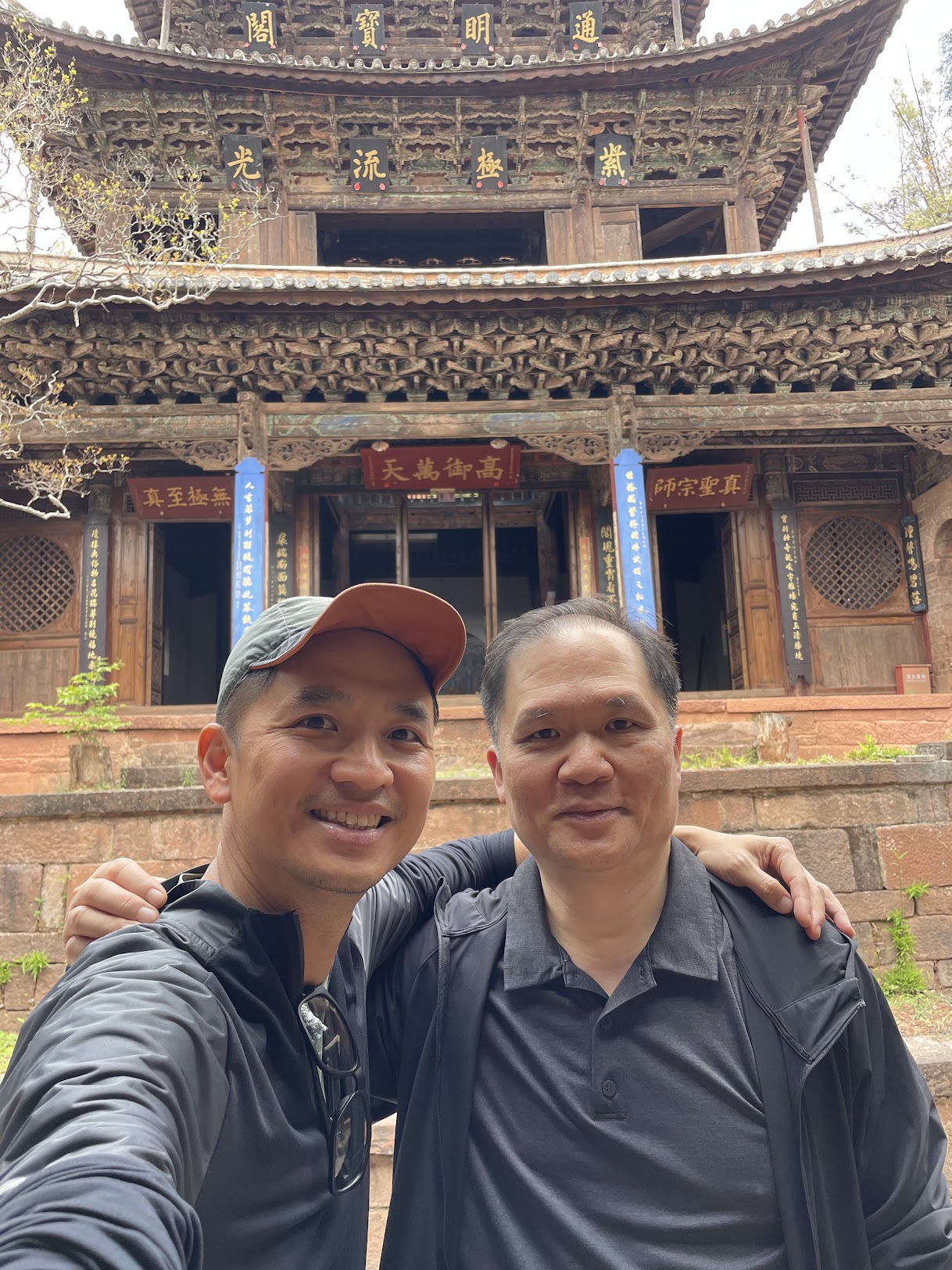
GutCommon不是扶貧機構,不是NGO,也不是文化保育組織。我們是一家以解決社會問題為目標的商業公司。我們選擇這條路,是因為我們相信:讓傳統最持久的方法,不是把它放進博物館,而是讓它繼續被需要、被購買、被消費。
GutCommon is not a poverty relief agency, not an NGO, not a heritage preservation body. We are a commercial company — one built around the goal of solving social problems. We chose this path because we believe that the most durable way to protect a tradition is not to put it in a museum — it is to keep it needed, bought, consumed.
最好的保育,是讓傳統繼續被需要。
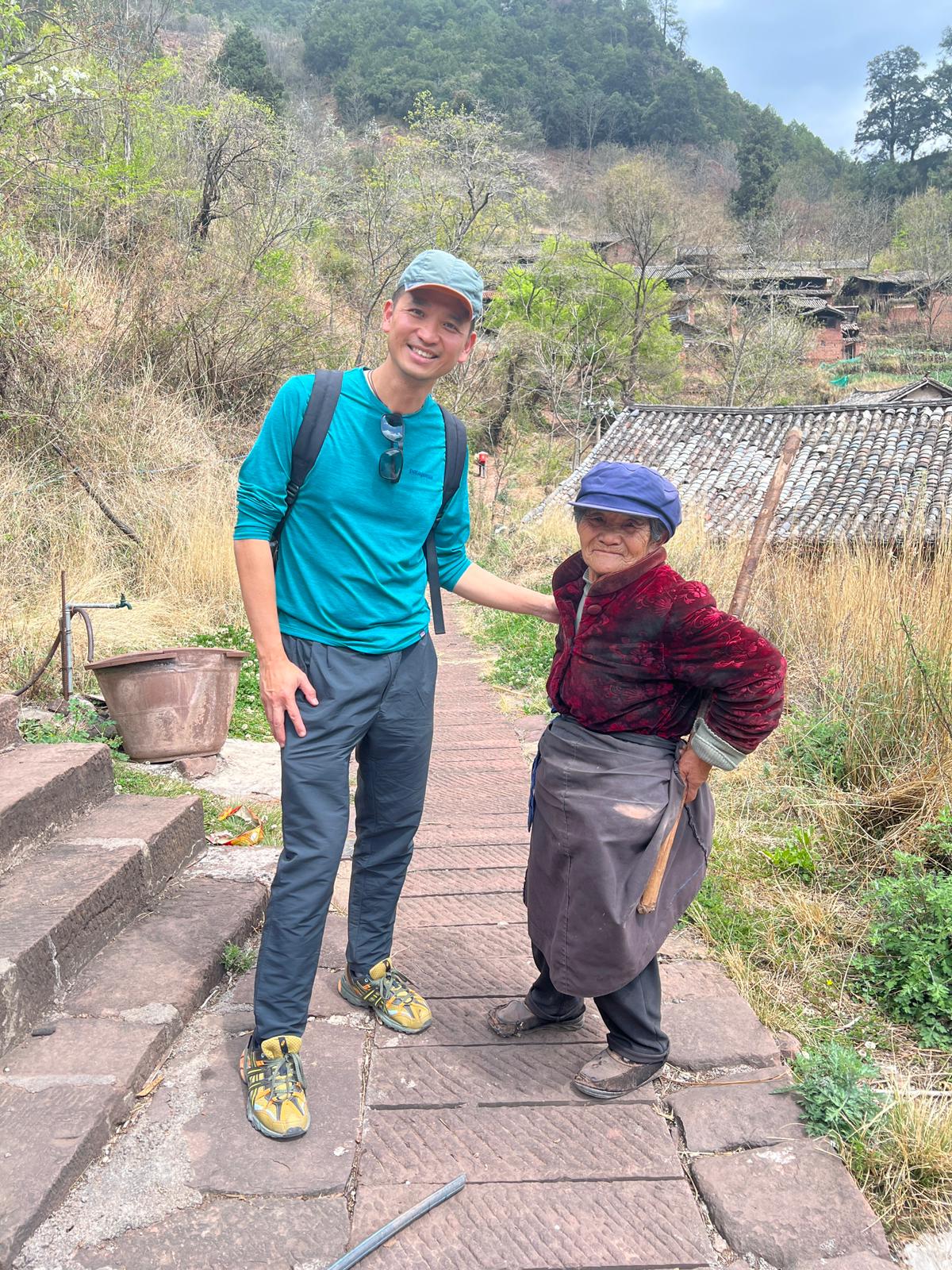
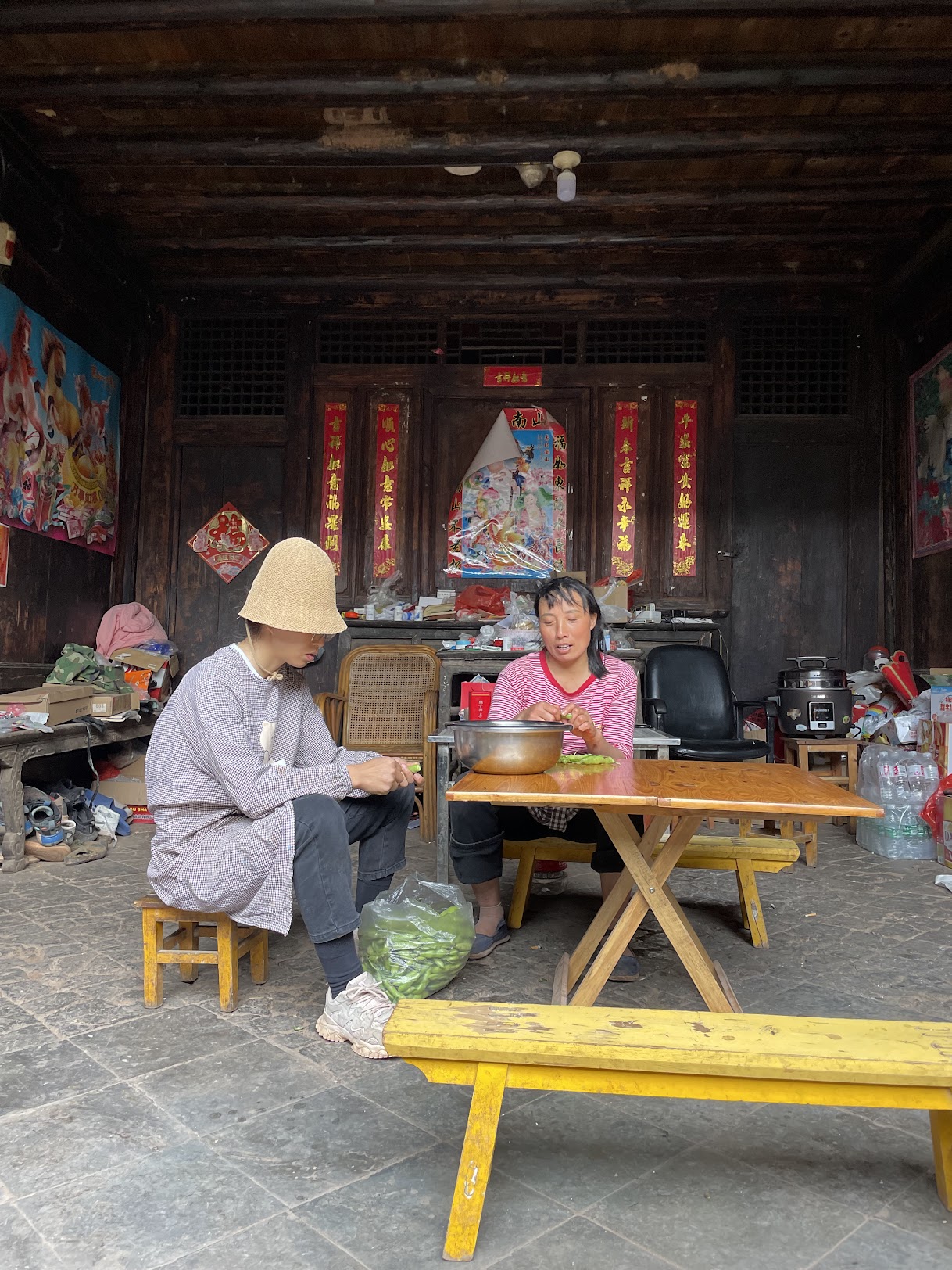
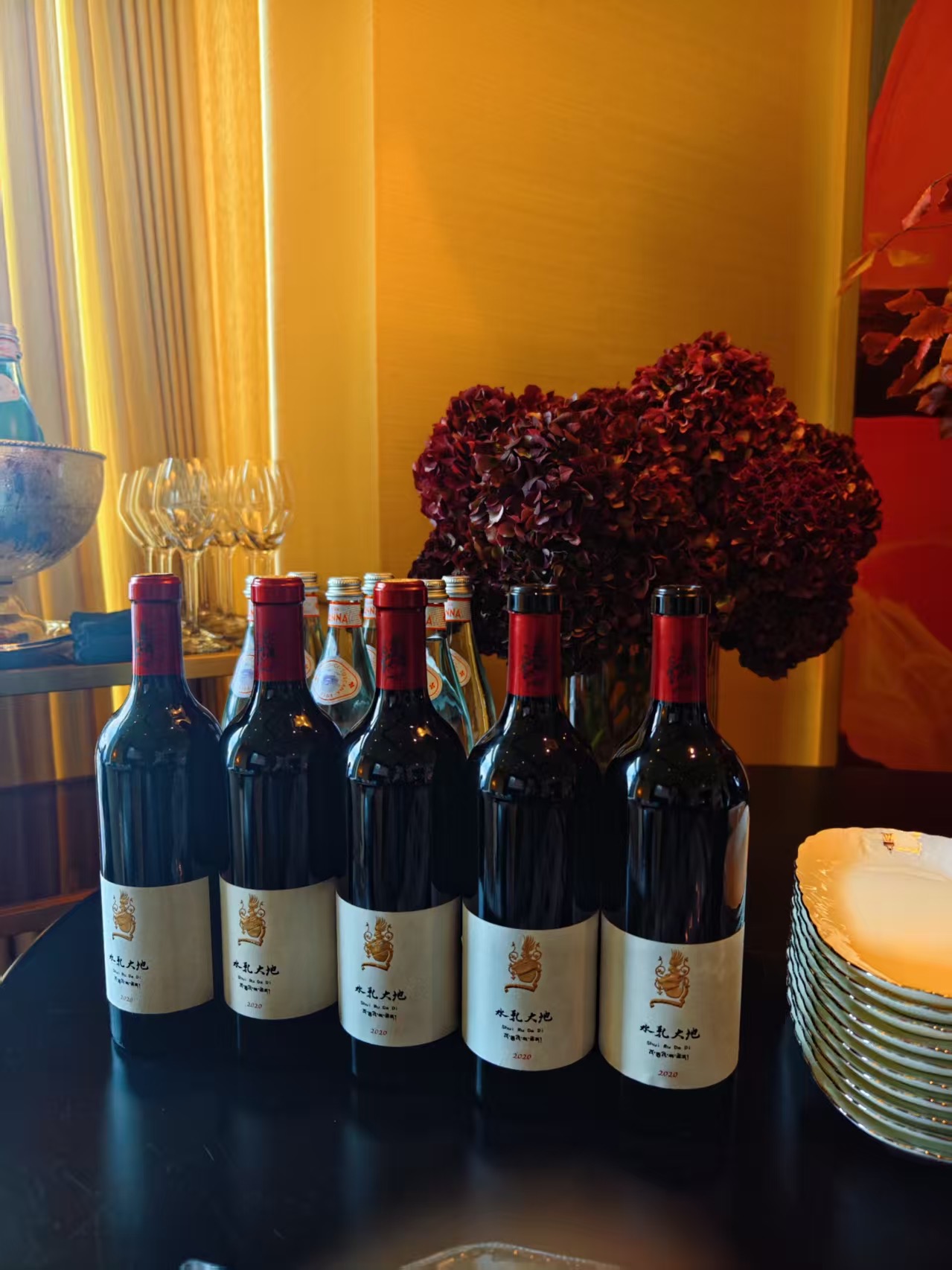
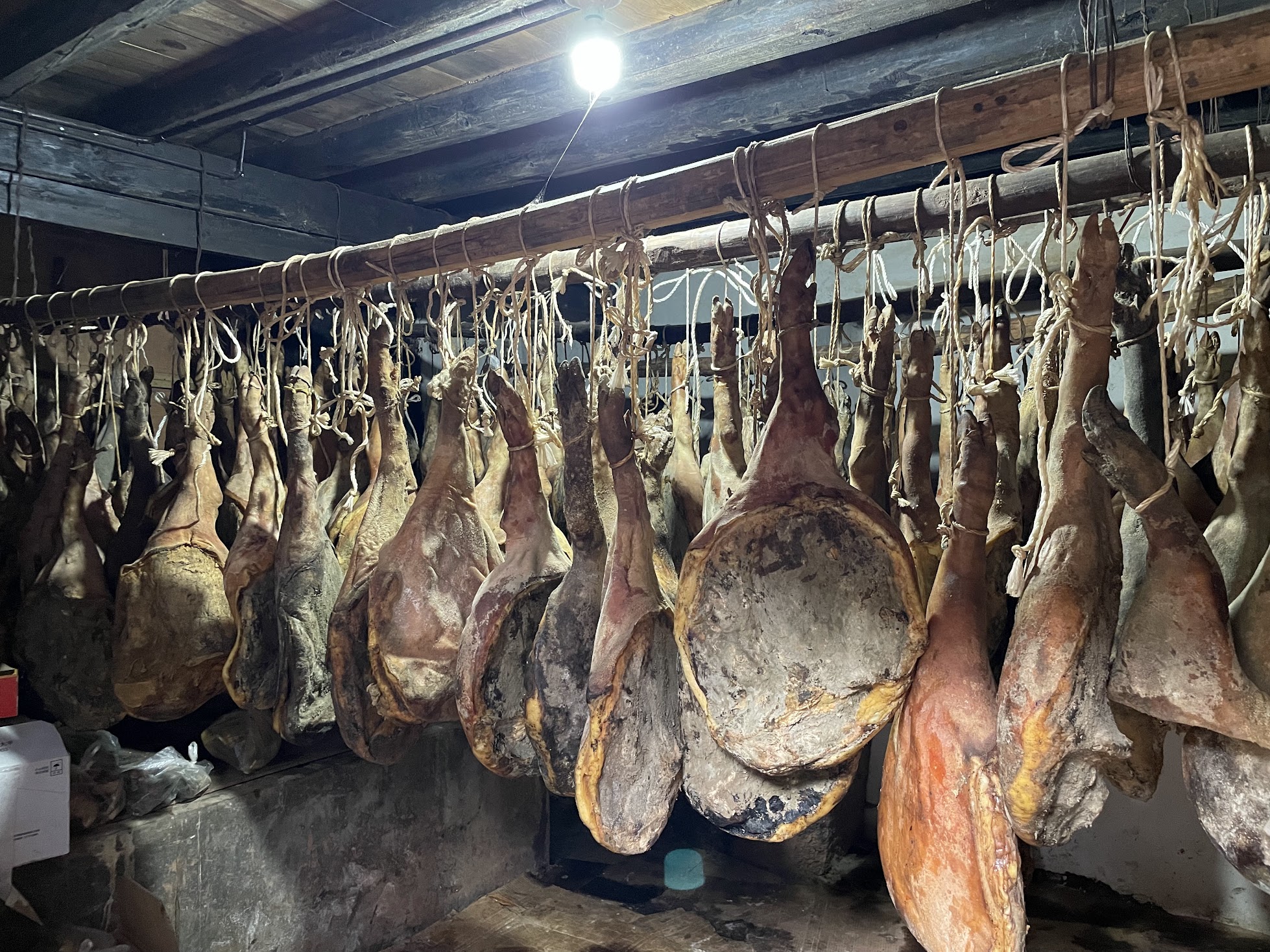
我們的工作,是做連接。把諾鄧火腿、雲南高原葡萄酒,帶到香港、東南亞、日本的餐廳和食客手中。讓這些地方的人,不只是買到一瓶酒、一條腿,而是買到一個故事,一份與遠方土地的連結。
Our work is to build connections. To bring Nuodeng ham and Yunnan highland wine to the tables of restaurants and consumers in Hong Kong, Southeast Asia, Japan — not just selling a bottle or a leg, but transmitting a story, a bond with a landscape far away.
市場的力量,可以很殘酷。它淘汰的速度,比任何天災都快。但市場的力量,也可以是最強大的保育工具——因為它給了守護者留下來的理由。一個諾鄧家族,如果知道他們的火腿有人願意出一個合理的價格購買,就有理由讓孩子學這門手藝,而不是送他們去城裡打工。
Market forces can be brutal. They eliminate faster than any natural disaster. But market forces can also be the most powerful conservation tool in existence — because they give the guardians a reason to stay. A Nuodeng family that knows someone will pay a fair price for their ham has a reason to teach the craft to their children rather than send them to the city for factory work.
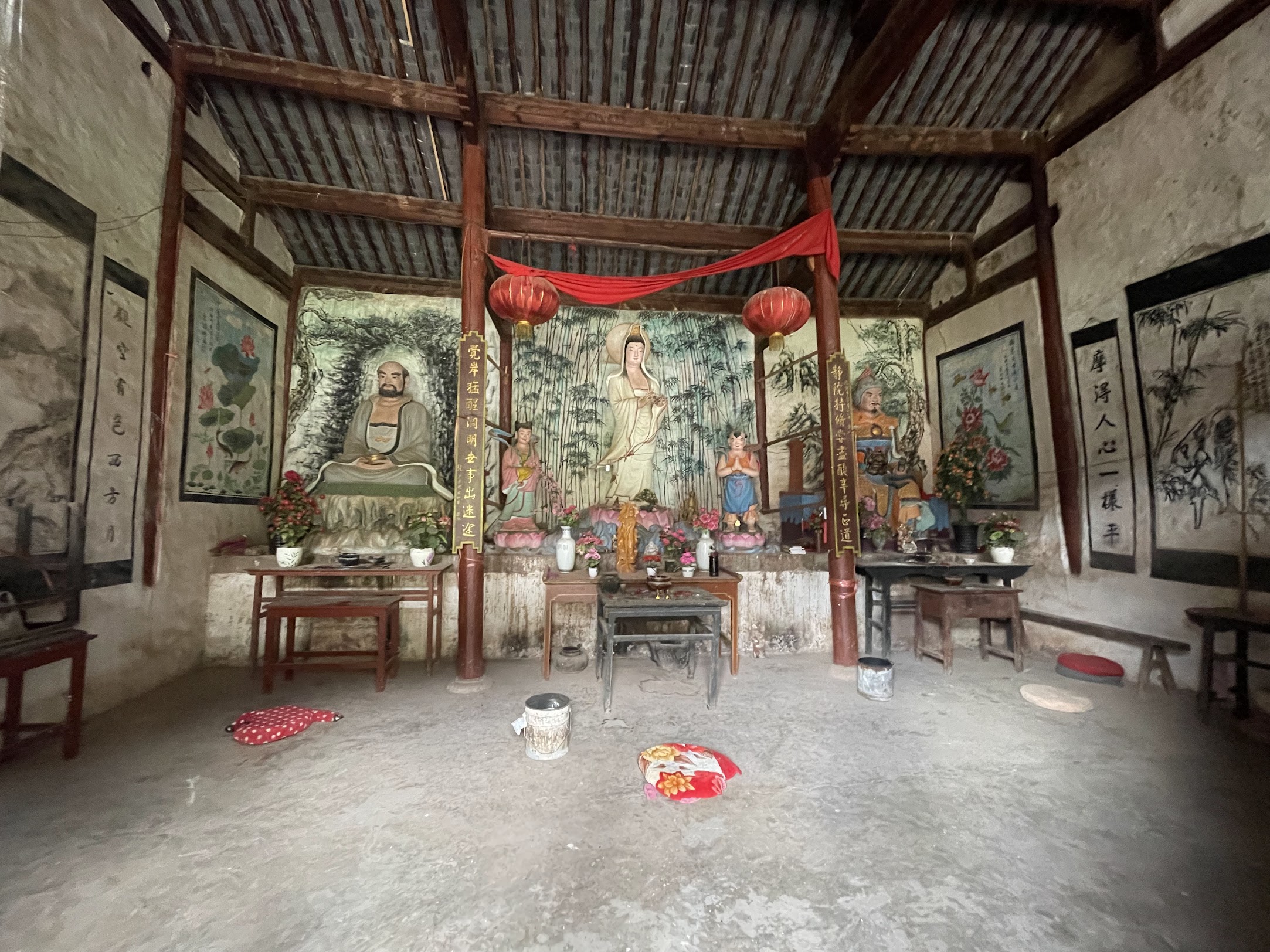
是很遠。從香港到雲龍縣諾鄧村,飛機加山路,要一整天的時間。但食物,是最短的路。一片在香港餐廳上桌的諾鄧火腿,把香港食客和一個滇西山村,以最直接的方式連在一起——不需要旅遊,不需要中間人,只需要一個願意把東西做好、另一個願意認真去嚐的人。
It is very far. From Hong Kong to Nuodeng in Yunlong County takes a full day of flights and mountain roads. But food is the shortest path. A slice of Nuodeng ham on a Hong Kong restaurant table connects a diner to a Yunnan mountain village more directly than any documentary — no travel required, no intermediary, only one person willing to make something carefully, and another willing to eat it seriously.
這,就是我們選擇的那條路。
That is the path we have chosen.