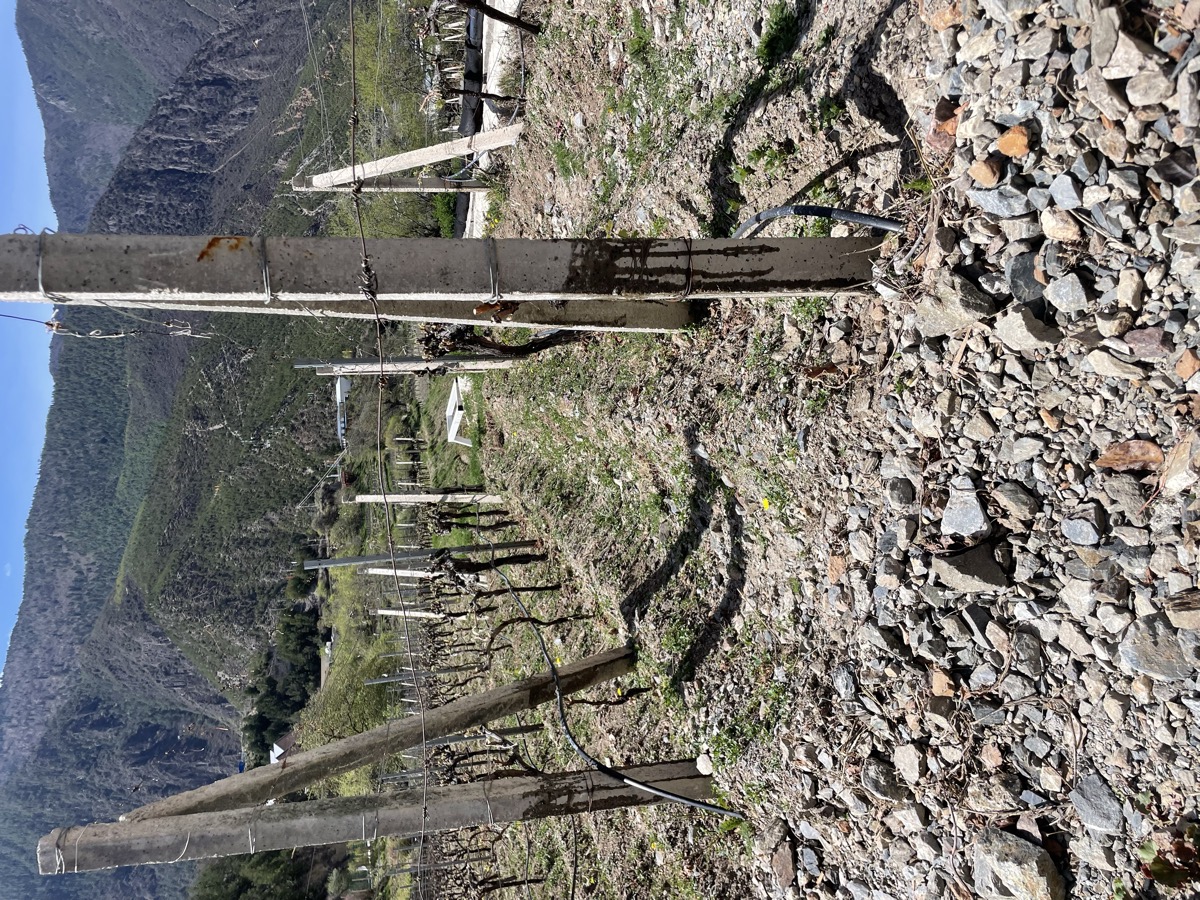
二零二四年三月下旬,我第一次踏上雲龍縣的土地。從大理出發,沿著瀾滄江河谷一路向北,山路蜿蜒,車窗外的風景從壩子農田漸漸變成石灰岩峭壁。三個小時之後,一個藏在山褶裡的古村出現在眼前——諾鄧。
In late March 2024, I set foot in Yunlong County for the first time. Heading north from Dali along the Lancang River valley, the road wound through limestone cliffs past terraced paddies. Three hours later, tucked into a fold in the mountains, the ancient village of Nuodeng appeared.
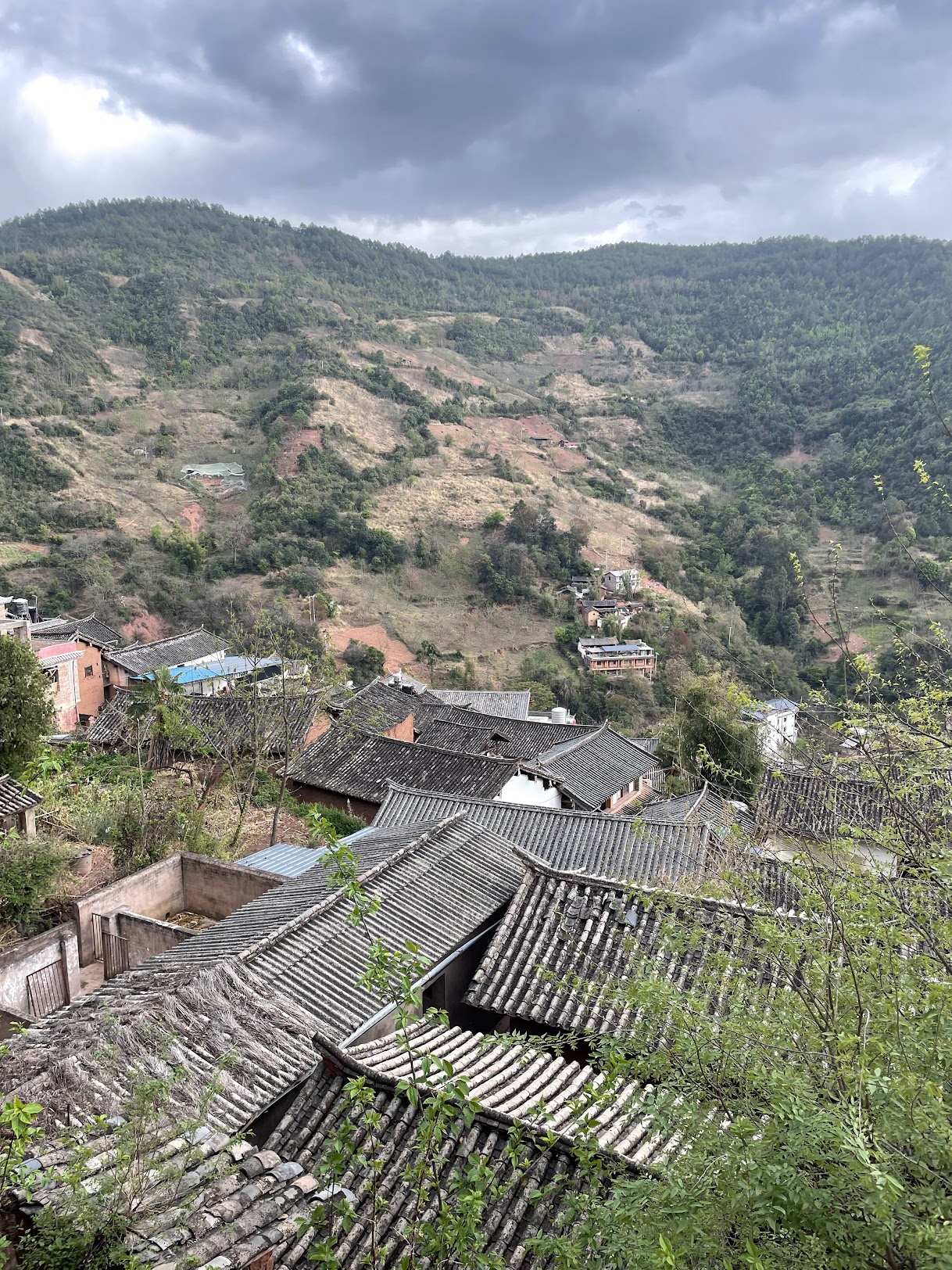
諾鄧不是一個尋常的山村。唐代的史書裡已經記載了這個地方出產的鹽。彼時,南詔國的馬幫從這裡出發,把諾鄧井鹽運往西藏、緬甸,甚至更遠的地方。這條路,後人叫它「鹽馬古道」。
Nuodeng is no ordinary mountain village. Tang Dynasty texts already recorded its salt production. Back then, caravans of the Nanzhao Kingdom departed from here, carrying Nuodeng well salt to Tibet, Burma, and beyond. That route became known as the Salt-Horse Road — 鹽馬古道.
今天,古道已無馬匹往來,但鹽還在。諾鄧的地下鹹水泉,流淌了超過一千年。泉水從石灰岩層滲出,帶着鈣、鎂等礦物質,賦予諾鄧鹽獨特的礦物風味。這種鹽,正是諾鄧火腿的靈魂。
Today no mule trains travel the old road, but the salt remains. Nuodeng's underground brine springs have flowed for over a millennium, percolating through limestone and absorbing calcium, magnesium, and trace minerals that give the salt its distinctive character — the very soul of 諾鄧火腿.
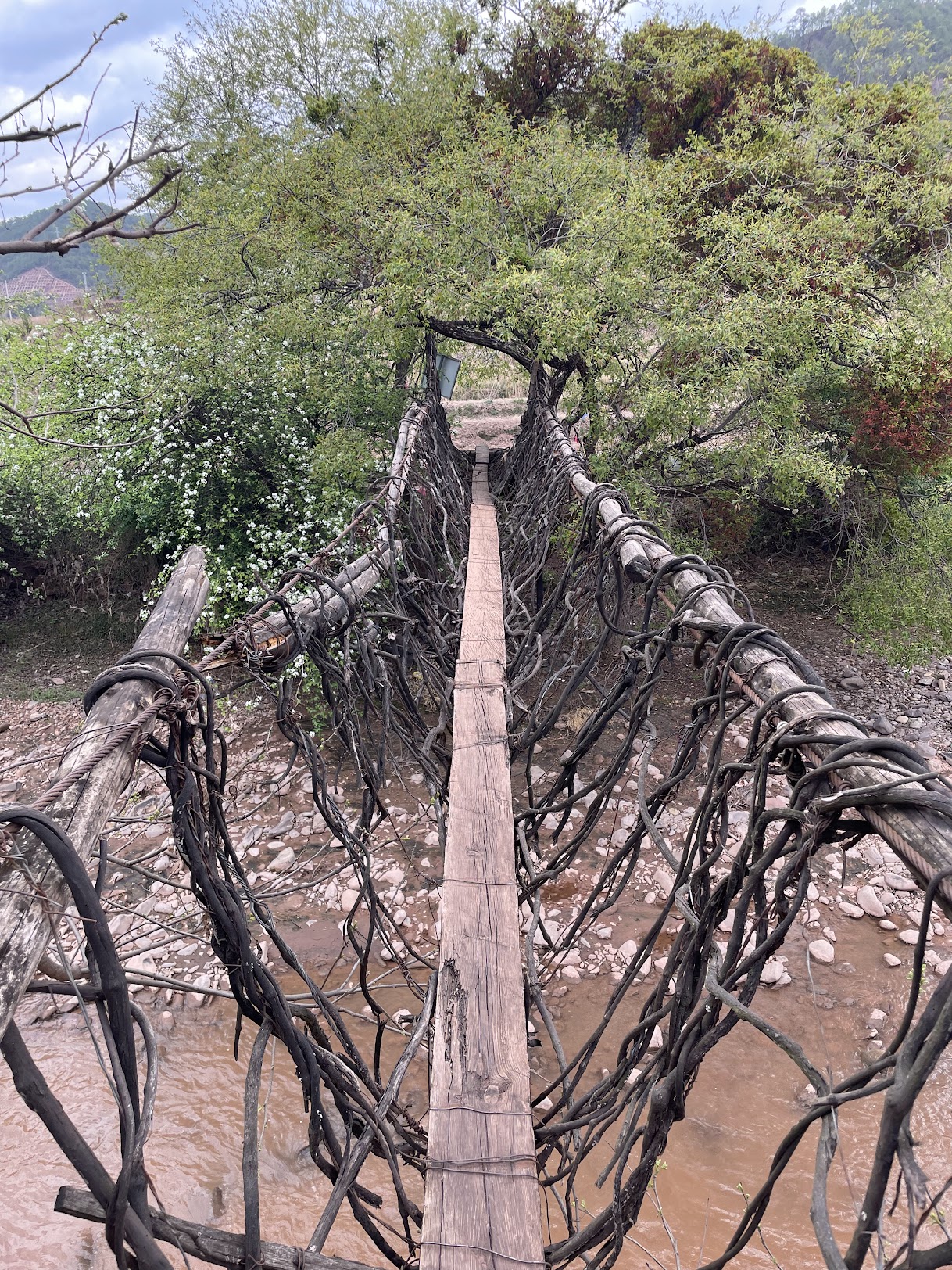
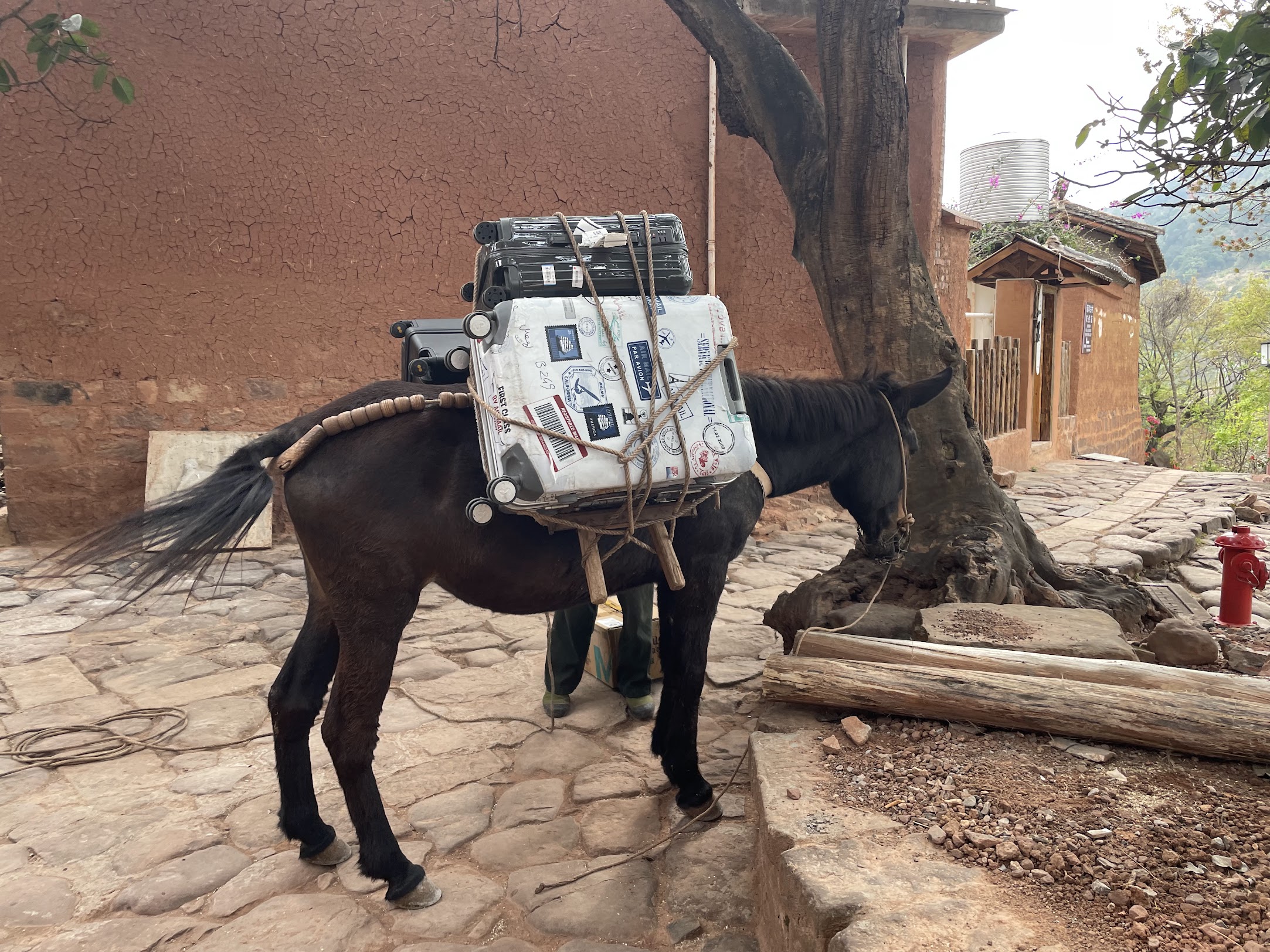
進入村子,最先映入眼簾的是那些木雕門扉。紅色的對聯貼在黑漆漆的老木上,字跡依然清晰。這些房子,有的已有三四百年的歷史,是昔日鹽商致富後延請工匠興建的。雕樑畫棟,繁複精緻,讓人難以相信這是深山一角。
Entering the village, the first thing you notice is the carved wooden doorways. Red couplets are pasted against blackened old timber, their characters still sharp. Some of these houses are three or four hundred years old — built by salt merchants who commissioned the finest craftsmen their wealth could buy. Elaborate carvings, layered eaves: hard to believe you are in a mountain fold this remote.
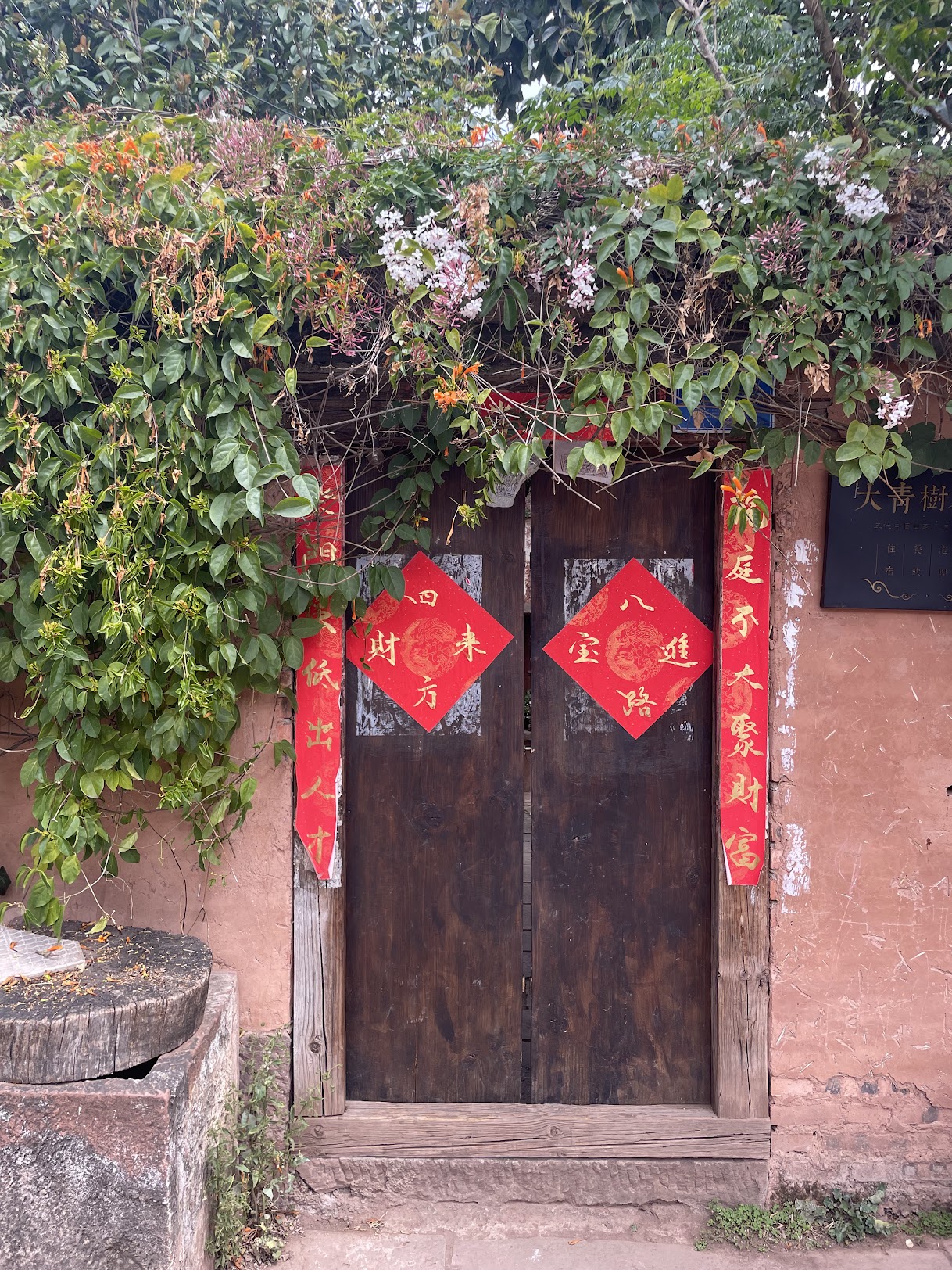
村落中段,有一口古老的鹽泉。泉眼不大,水色清澈,卻帶着淡淡的鹹味。我俯身,用手指沾了一滴嚐了嚐——味道比海鹽更柔和,帶着礦物質的深度,不那麼刺激,卻更持久。就是這口泉,養活了一個村子一千年。
Midway through the village, there is an ancient brine spring. The opening is small; the water runs clear but noticeably saline. I crouched down and tasted a drop on my fingertip — softer than sea salt, with a mineral depth that lingers rather than stings. This spring sustained an entire village for a thousand years.
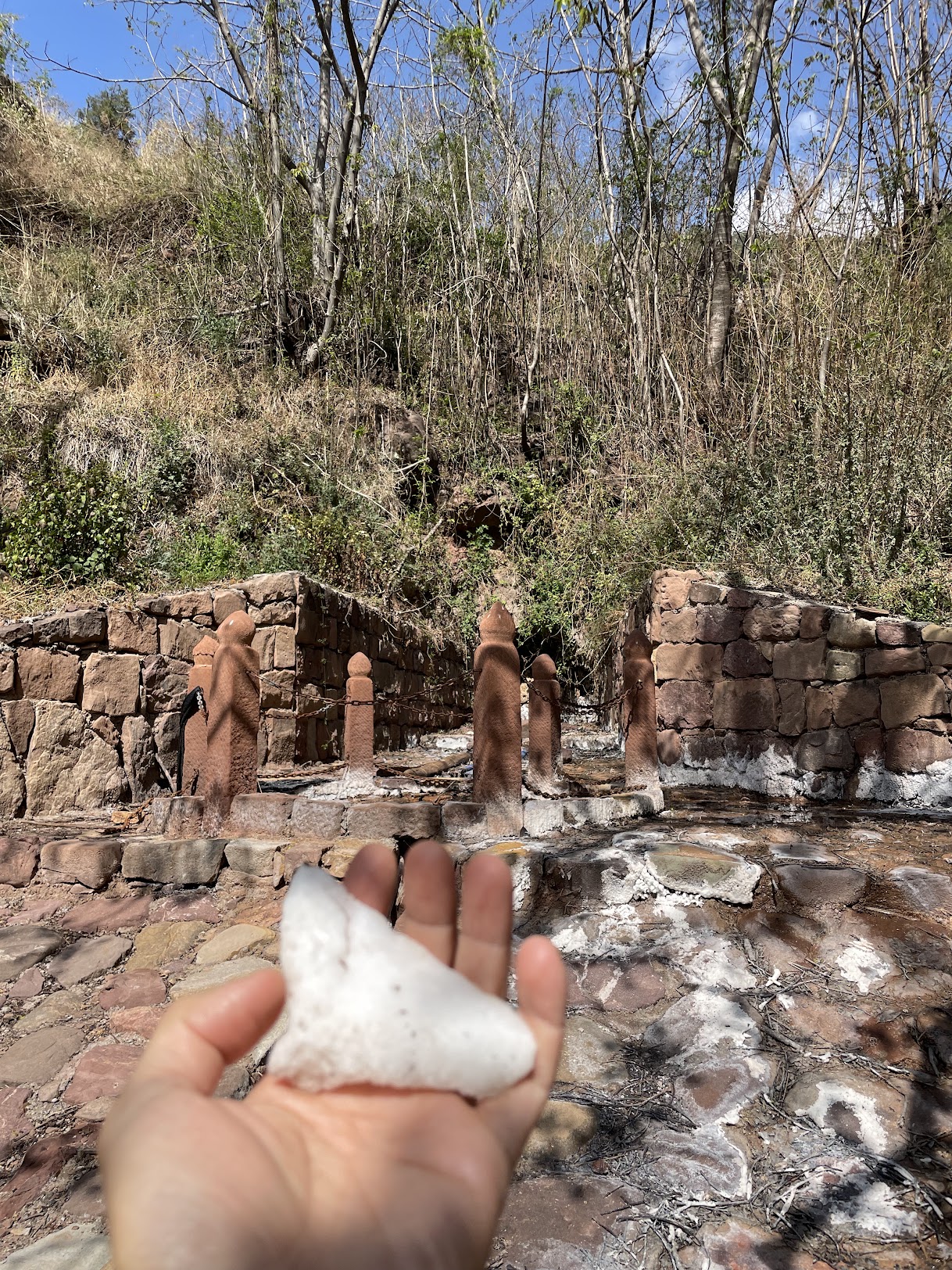
鹽,便是諾鄧火腿的起點。每年冬至前後,村裡的白族人家會宰殺黑腳豬,取下後腿,用諾鄧井鹽手工揉搓醃製。這個動作,每一個細節都是幾代人傳下來的記憶——哪個部位要多抹鹽,哪個位置要輕手,全靠師傅的手感,沒有機器能夠取代。
Salt is where 諾鄧火腿begins. Around the winter solstice each year, Bai minority families in the village slaughter their black-footed pigs, remove the hind legs, and hand-rub them with Nuodeng well salt. Every detail of this motion is inherited memory — which muscles need more salt, which need a lighter touch — all in the artisan's hands. No machine replicates it.
一千年的鹽,三年的時間,一條不妥協的腿——這就是諾鄧火腿。
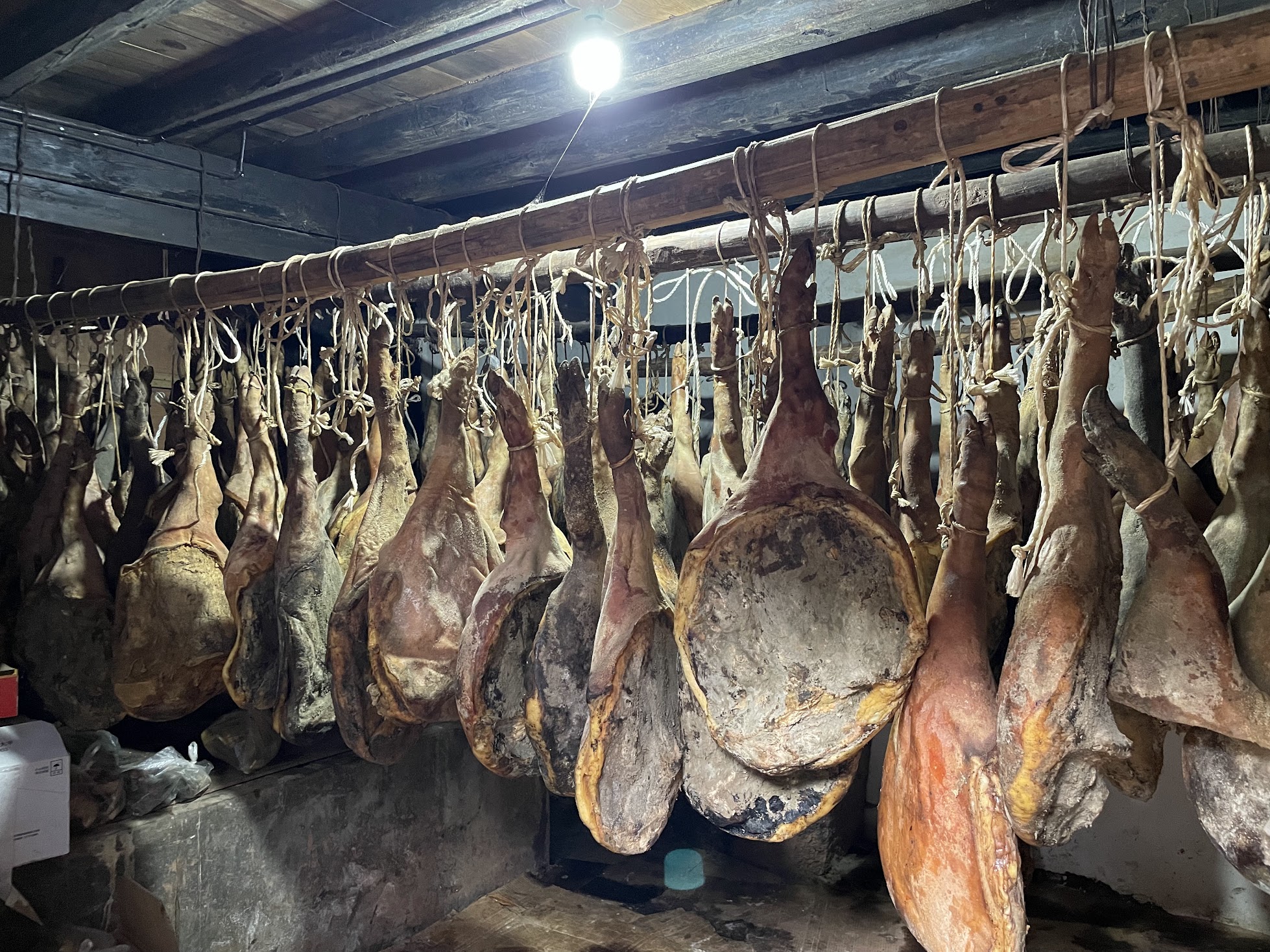
醃製之後,火腿懸掛在通風的石屋中,任憑雲龍山谷的冷空氣慢慢做功。最短三年,最長的可達五年以上。時間,才是最重要的配料。
After curing, the hams are hung in naturally ventilated stone houses and left to Yunlong valley's cool mountain air. Minimum three years; the finest pieces are aged five or more. Time is the most important ingredient.
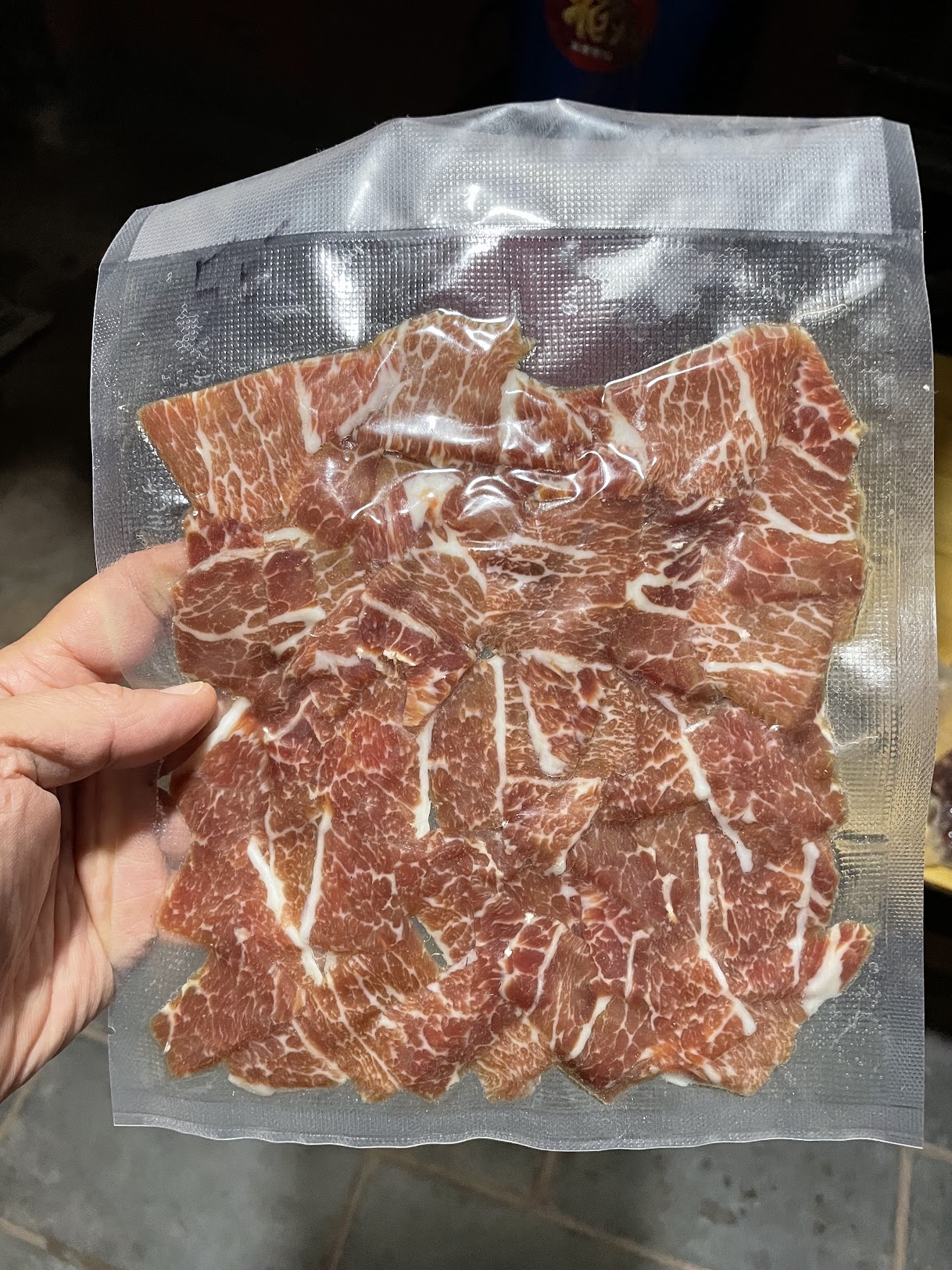
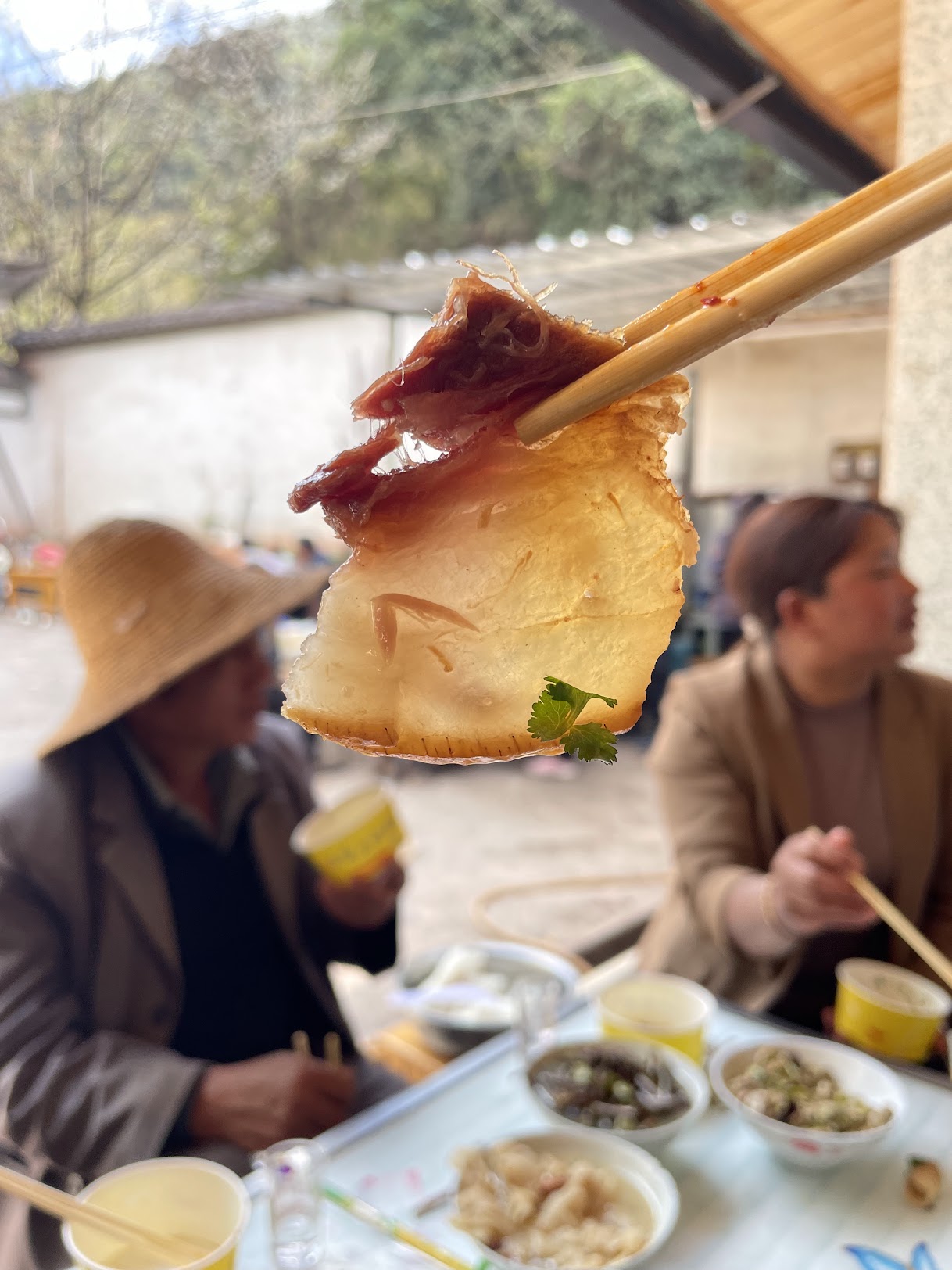
這一次諾鄧之行,是GutCommon尋源旅程的起點。我們看到的,不只是一條火腿,而是一套完整的文明遺產——地理、歷史、工藝,三者交織,缺一不可。如何把它帶到更廣闊的市場,同時讓這份遺產得以存續,是我們此後不斷思考的問題。
This first visit to Nuodeng was the beginning of GutCommon's sourcing journey. What we found was not simply a ham — it was a complete civilisational inheritance: geography, history, and craft, inseparable from one another. How to bring it to a wider market while keeping that inheritance alive: this is the question we have been working on ever since.