走進諾鄧的那一刻,我以為自己會聞到肉味。畢竟,這是以火腿聞名的村子,家家戶戶的石屋裡都掛着陳年的後腿。但第一口氣,撲面而來的不是肉,而是鹽——礦物質的、清涼的、帶着某種地底深處的古老氣息。我愣了一下,回頭看向陪我進村的老村民。他指了指山坡下的那口古井,說了一句讓我此後反覆回想的話:「火腿的靈魂在這裡。」
Walking into Nuodeng, I expected to smell meat. This is, after all, a village famous for its ham — stone houses everywhere hung with aged hind legs. But the first breath that hit me was not meat. It was salt: mineral, cool, carrying something ancient from deep underground. I paused, and turned to the village elder walking beside me. He pointed down the slope toward the ancient well and said something I have been turning over ever since: "The soul of the ham is here."
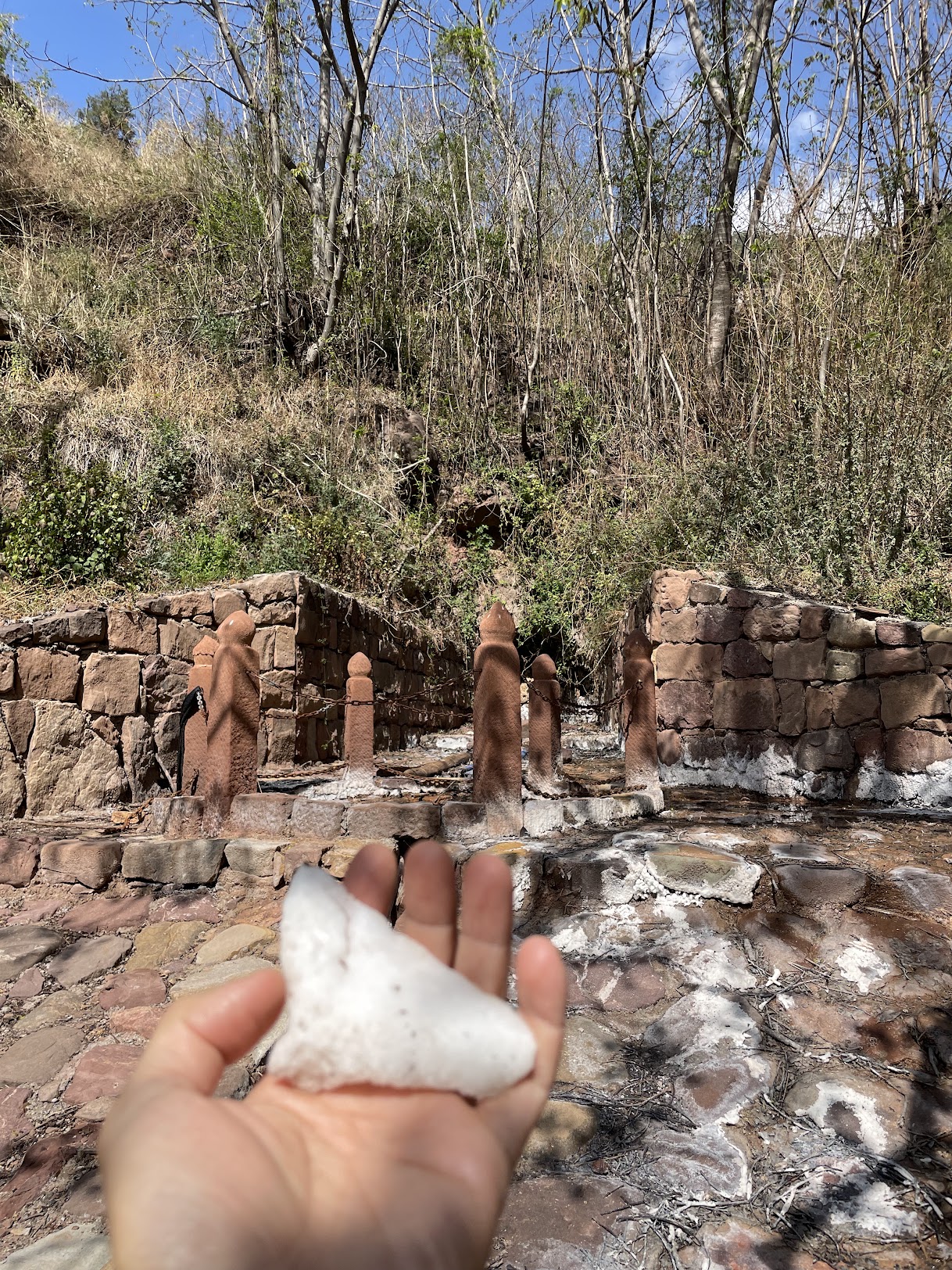
諾鄧的地下鹹水泉,流淌了超過一千年。泉水從石灰岩層緩緩滲出,途中吸收鈣、鎂以及各種微量礦物質,最終在地表結成白色的晶體。我用指尖沾了一點嚐了嚐——與海鹽截然不同。不是那種直接的鹹刺,而是一種更柔和的礦物深度,在舌尖慢慢展開,久久不散。每年冬至前後,白族人家取出這些白晶,逐一用手揉進豬腿的每一塊肌肉。這個動作,看似簡單,卻藏着幾代人的手感記憶。
Nuodeng's underground brine spring has flowed for over a thousand years. The water percolates slowly through limestone, absorbing calcium, magnesium, and trace minerals before surfacing as white crystals. I touched a pinch to my tongue — nothing like sea salt. Not a direct sting of salinity but a softer mineral depth that unfolds slowly and lingers. Each year around the winter solstice, Bai minority families take these white crystals and hand-rub them into every muscle of each pig leg. The motion looks simple. What it contains is the embodied memory of generations.
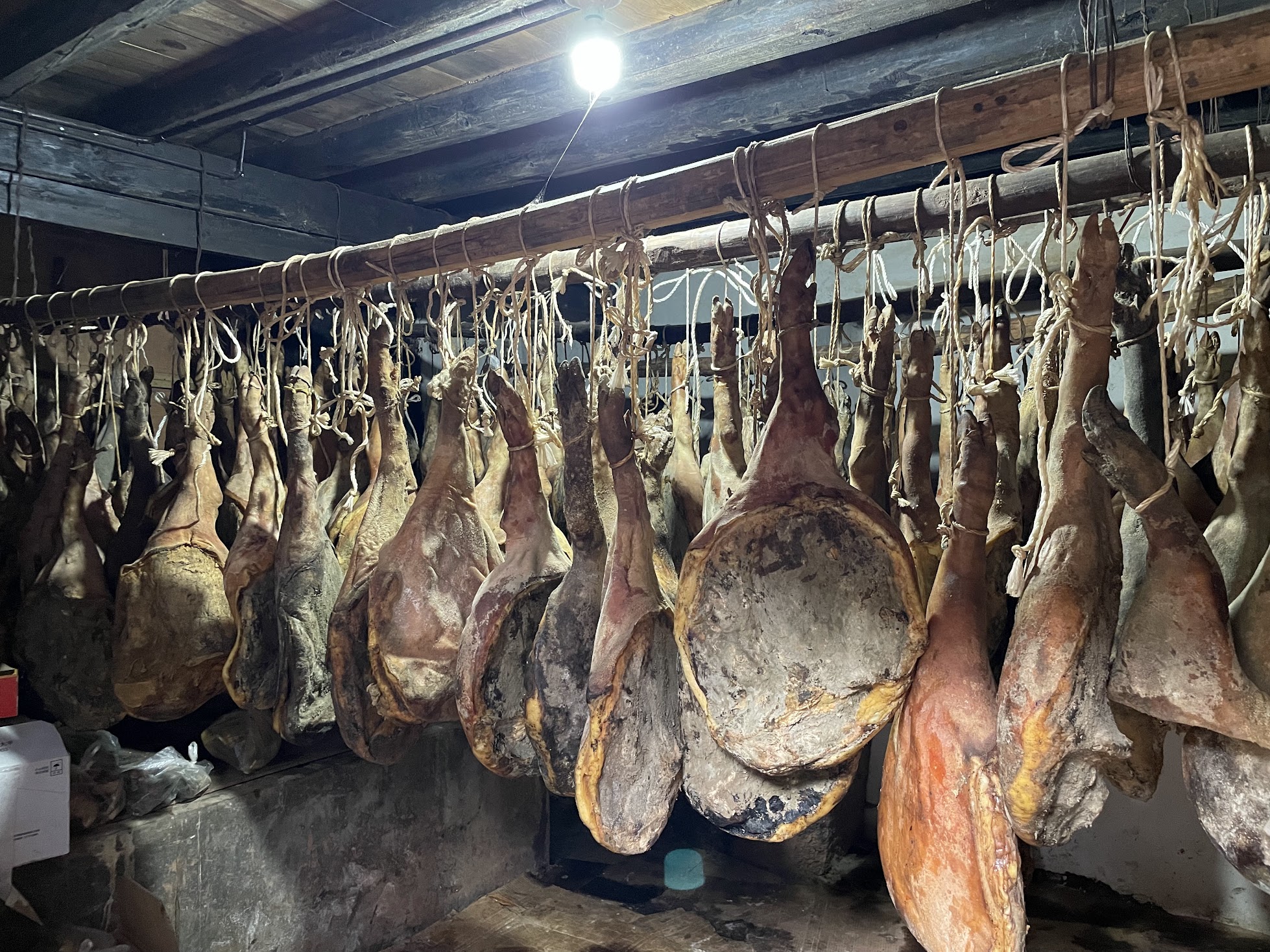
抹鹽之後,還有第二道工序,很多人不知道:用玉米酒噴灑火腿表面。這不是為了增味,而是一種微生物管理——酒精殺滅雜菌,同時為表面設定特定的生化條件,讓正確的微生物群落得以在陳化過程中定殖。之後,火腿被掛進通風的石屋,任憑雲龍山谷的冷空氣慢慢做功。最少三年。沒有溫控,沒有除濕機,只有山風和時間。
After the salt rub, there is a second step many people do not know about: the surface of each leg is sprayed with corn wine — 玉米酒, a local baijiu. This is not for flavour. It is antimicrobial management: the alcohol suppresses unwanted bacteria while setting specific biochemical conditions on the surface, allowing the right microbial communities to establish during aging. The ham is then hung in naturally ventilated stone houses, left to the cool valley air of the Yunlong mountains. Minimum three years. No temperature control, no dehumidifiers — only mountain wind and time.
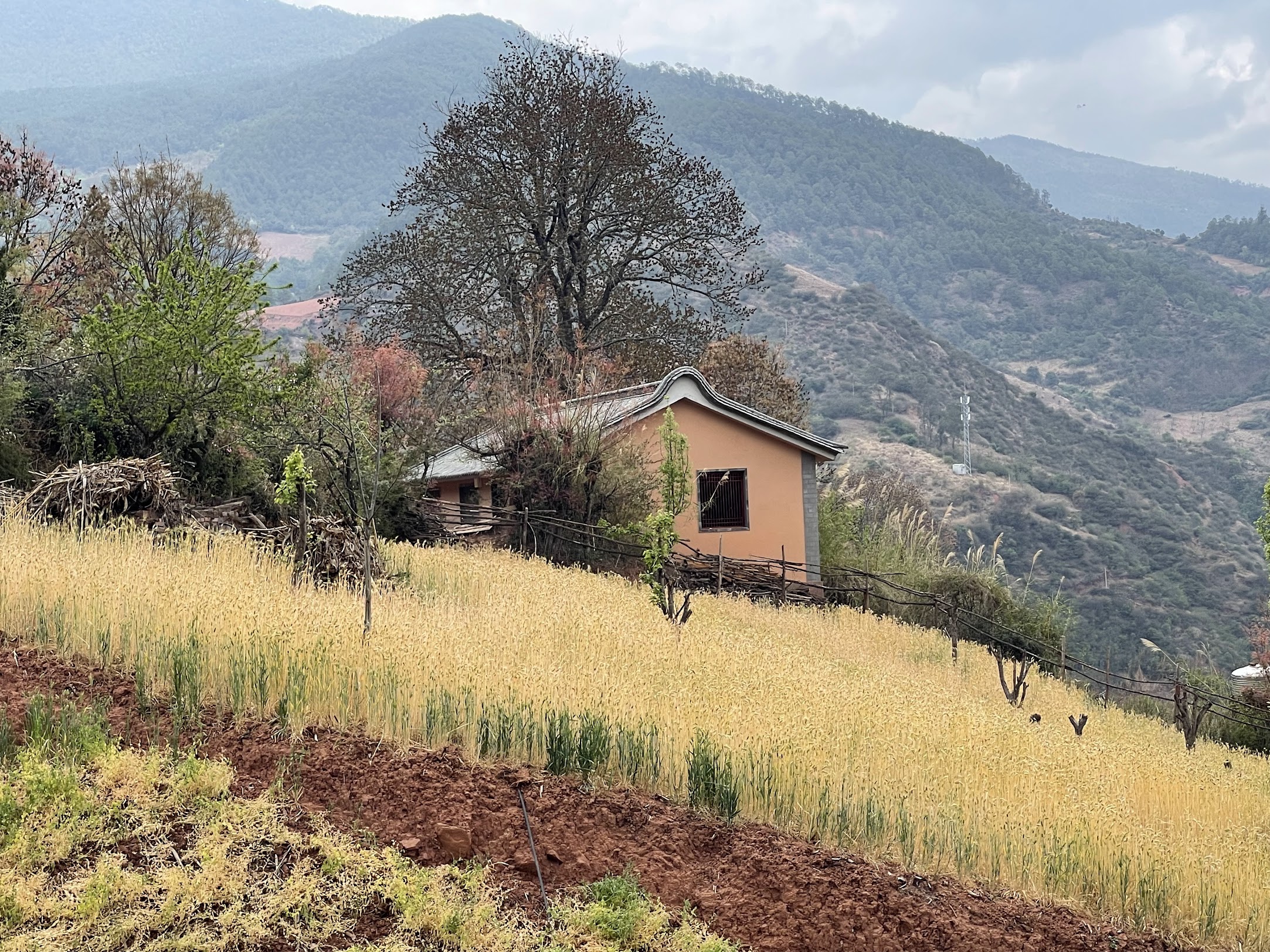
近年有研究人員深入諾鄧,試圖解釋這種火腿為何如此獨特。答案指向微生物。諾鄧的礦物鹽加上海拔一千七百米的山地微氣候,在火腿表面形成了一個獨特的微生物生態系統。正是這個微生物群落,決定了火腿陳化後的色澤、香氣分子結構,以及最終的風味深度。如果你用同樣的配方,在上海用海鹽複製這個過程——你會得到一條不同的火腿。食譜相同,地點不同,結果就不同。
In recent years, researchers have travelled to Nuodeng trying to explain why this ham is so singular. The answer points to microbiology. Nuodeng's mineral salt, combined with the mountain microclimate at 1,700 metres above sea level, creates a unique microbial ecosystem on the ham surface. This microbial community is what determines the final colour, the aroma compounds, and the depth of flavour after aging. If you take the same recipe and replicate the process in Shanghai using sea salt, you get a different ham. Same method, different place, different result.
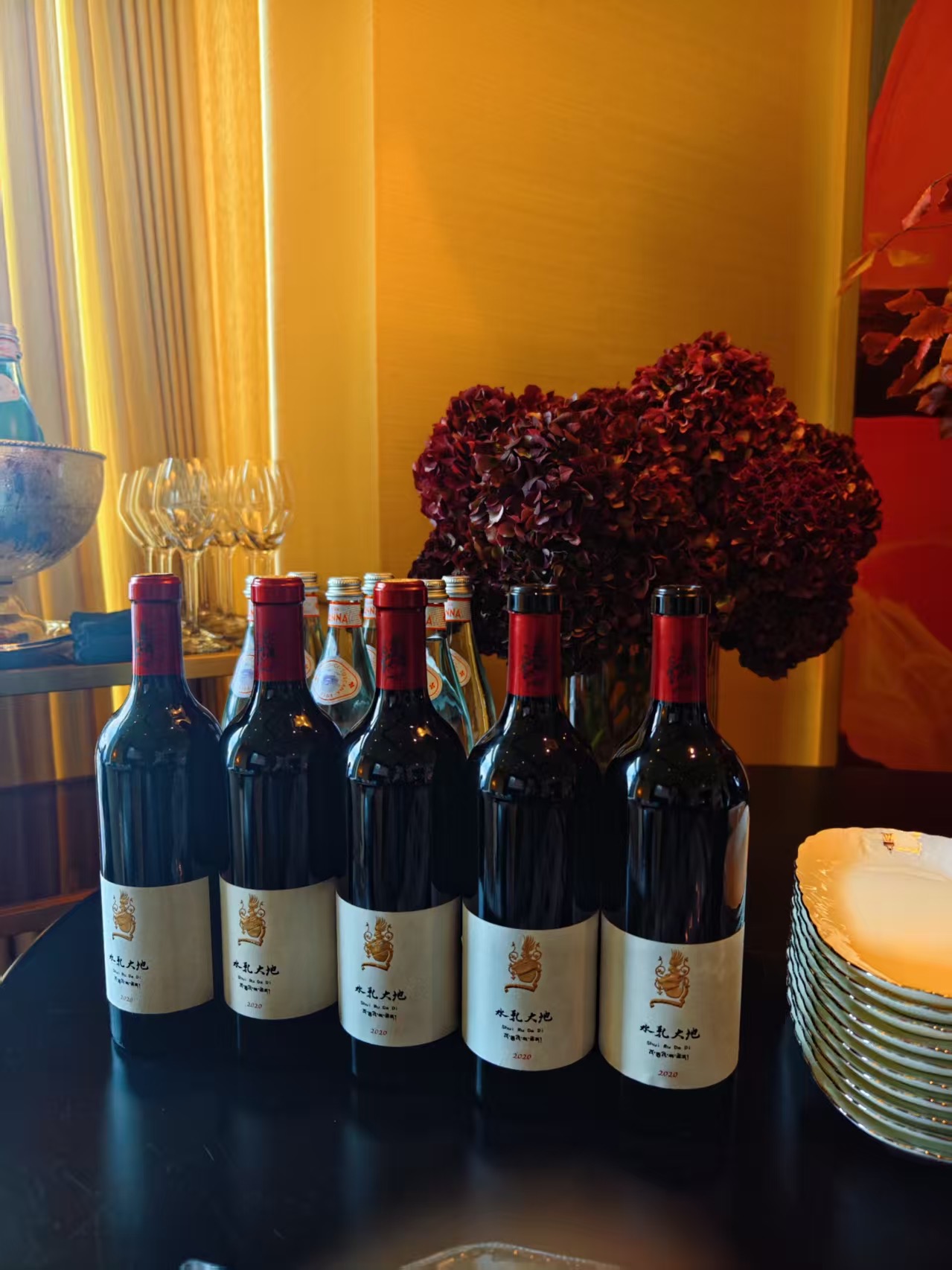
在葡萄酒的世界裡,我們早已接受一個事實:地理決定風味。勃艮第不等於波爾多,不是因為釀酒師的手藝不同,而是因為土壤、坡向、微氣候在每一串葡萄裡留下了不可複製的印記。這個概念,法語叫 terroir,中文可以譯作「風土」。我們卻很少把同樣的框架套用在食物上。諾鄧火腿,是我見過最能說服人的反例。沒有任何一種中國火腿,如此徹底地依賴單一的地方礦物輸入——那口古井,那片石灰岩,那道滲出的鹹水,缺一不可。
In wine, we have long accepted a simple truth: geography determines flavour. Burgundy is not Bordeaux — not because of the winemaker's skill, but because the soil, slope, and microclimate leave an irreplicable imprint on every grape. The French call this terroir. We rarely apply the same frame to food. Nuodeng ham is the most persuasive case I have encountered. No other Chinese ham depends so completely on a single local mineral input — the ancient well, the limestone it passes through, the brine it carries to the surface. Remove any one element and you have a different food.
這不是食譜,而是地理。這片山谷的鹽,才是真正的廚師。
古井無法移走。山谷的冷空氣無法裝瓶出口。在諾鄧,保護火腿就是保護那個地方——保護泉眼、石屋,以及那些手裡還留着抹鹽記憶的家庭。GutCommon的工作,不是複製,而是連結:讓這個地方在經濟上得以延續,讓掌握這門手藝的人有理由留下來,讓古井繼續流淌下去。風土食物的命運,終究取決於那片風土是否還活着。
The ancient well cannot be moved. The valley's cool air cannot be bottled for export. In Nuodeng, protecting the ham means protecting the place — the spring, the stone houses, and the families whose hands still carry the muscle memory of salting. GutCommon's role is not to replicate but to connect: to make this place economically viable, to give the people who hold this craft a reason to stay, and to keep the well flowing. The fate of a terroir food is ultimately the fate of its terroir.
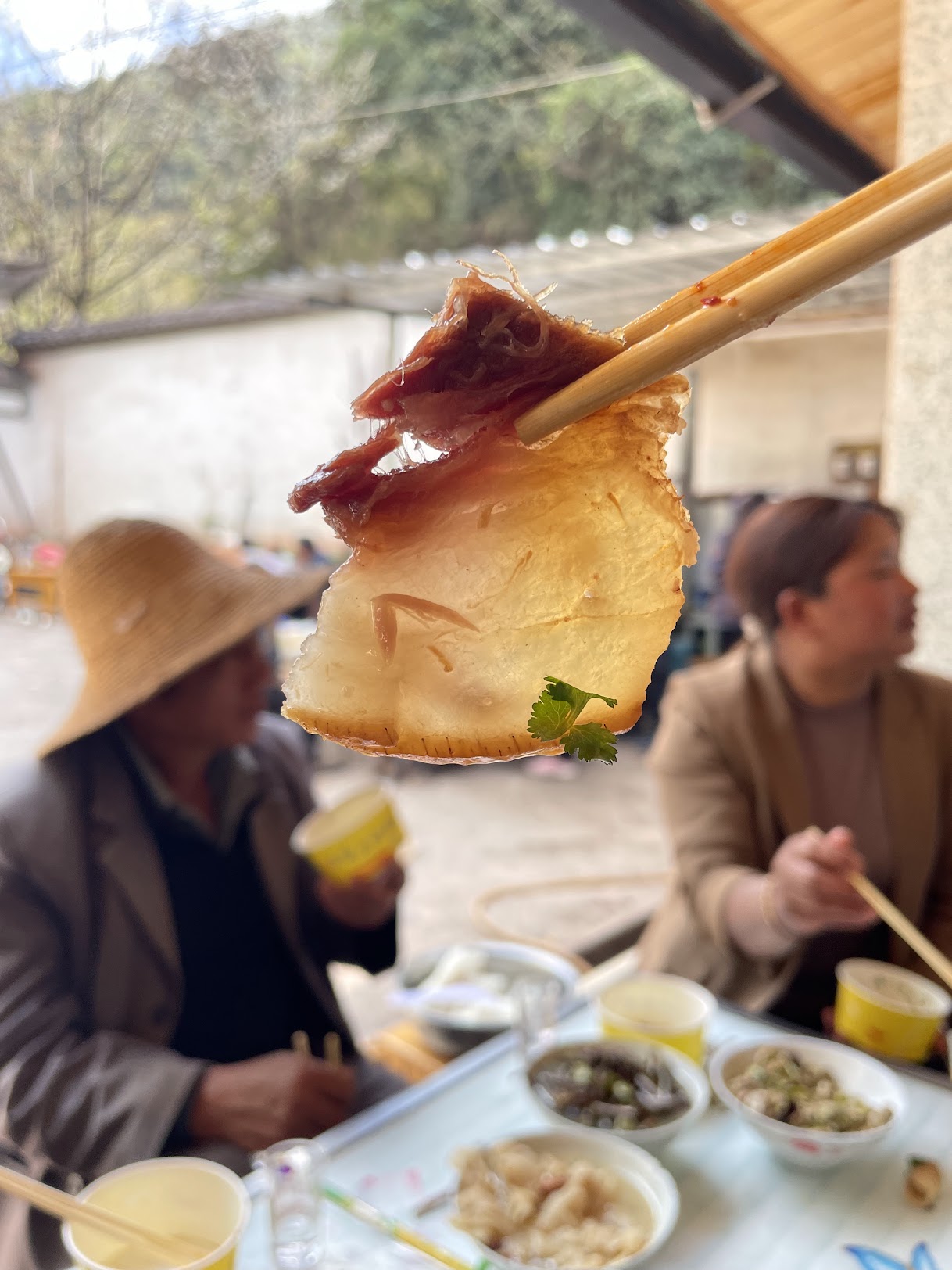
如果你想了解更多,或者想嚐嚐這條山谷的滋味,諾鄧火腿就在這裡。
If you want to taste what a valley tastes like, 諾鄧火腿 is available through GutCommon's ham page.