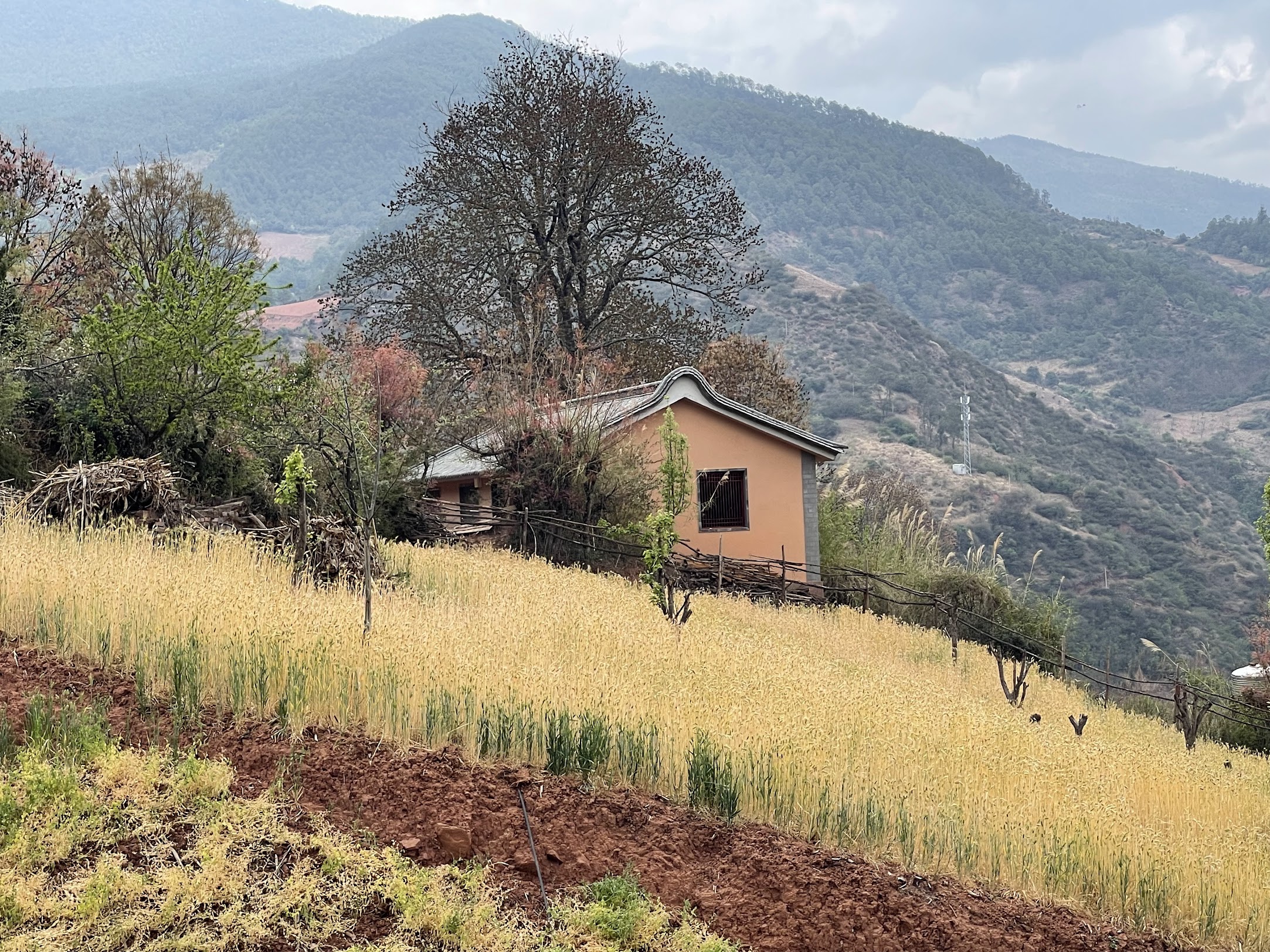
On the hillside behind Nuodeng village, a terraced field of wheat stands gold and ripe in the spring wind. Below it, a farmhouse: rammed-earth walls, black tile roof, a thread of smoke rising from the kitchen. This scene is not uncommon in China's southwest mountains — until you learn that this land has fed the same family for over twenty generations. Then the stillness of it feels like a kind of deep power.
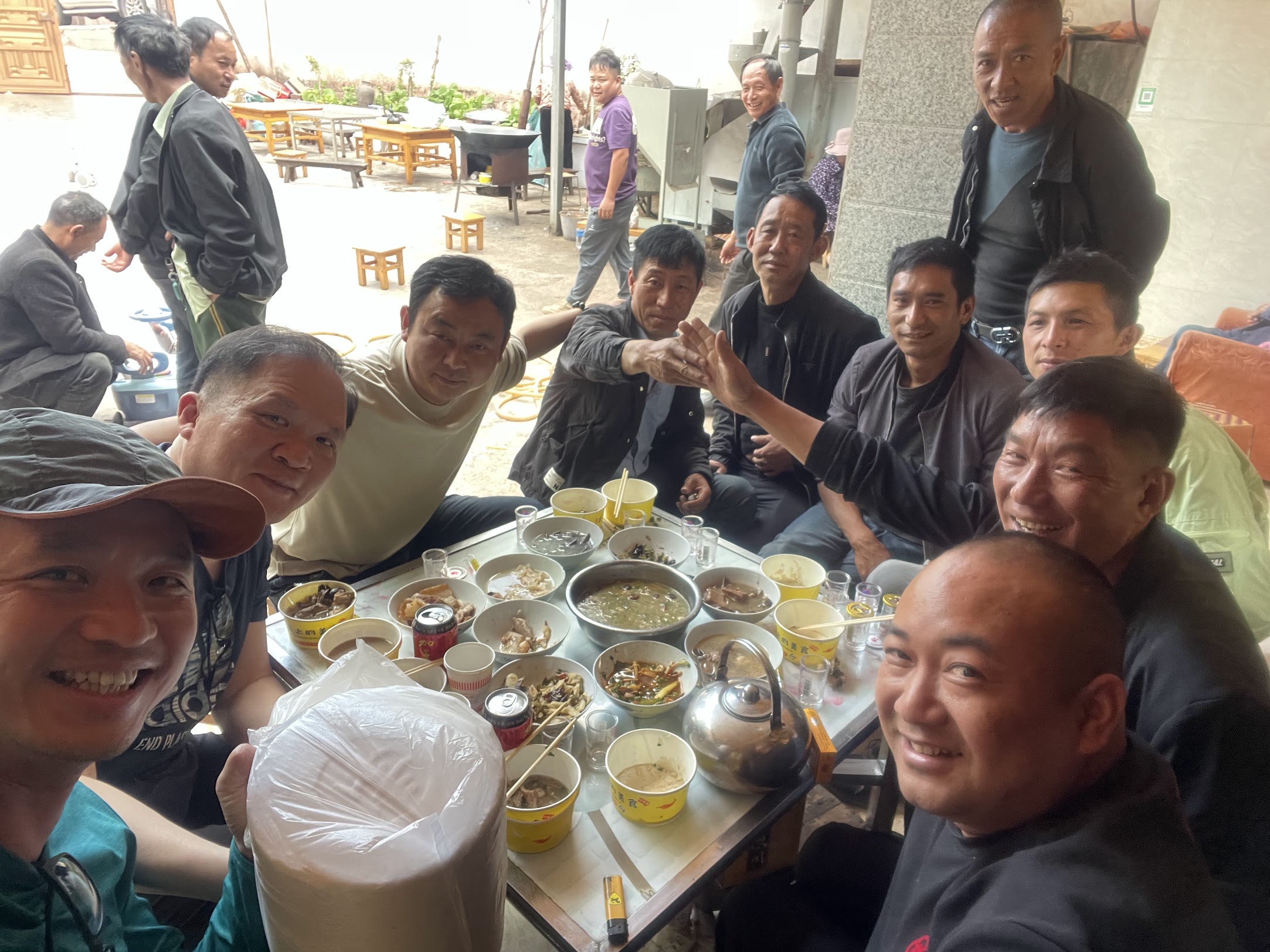
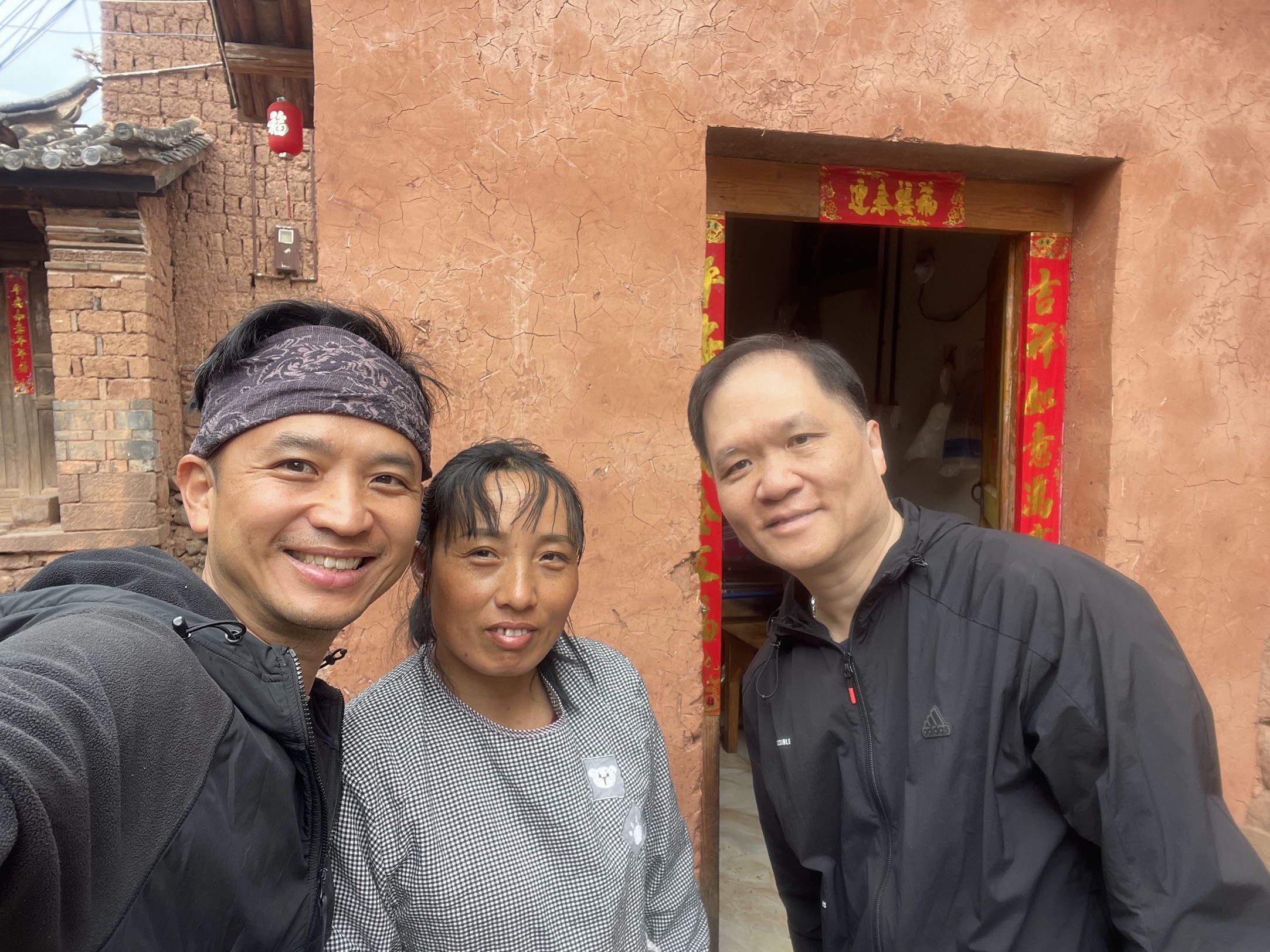
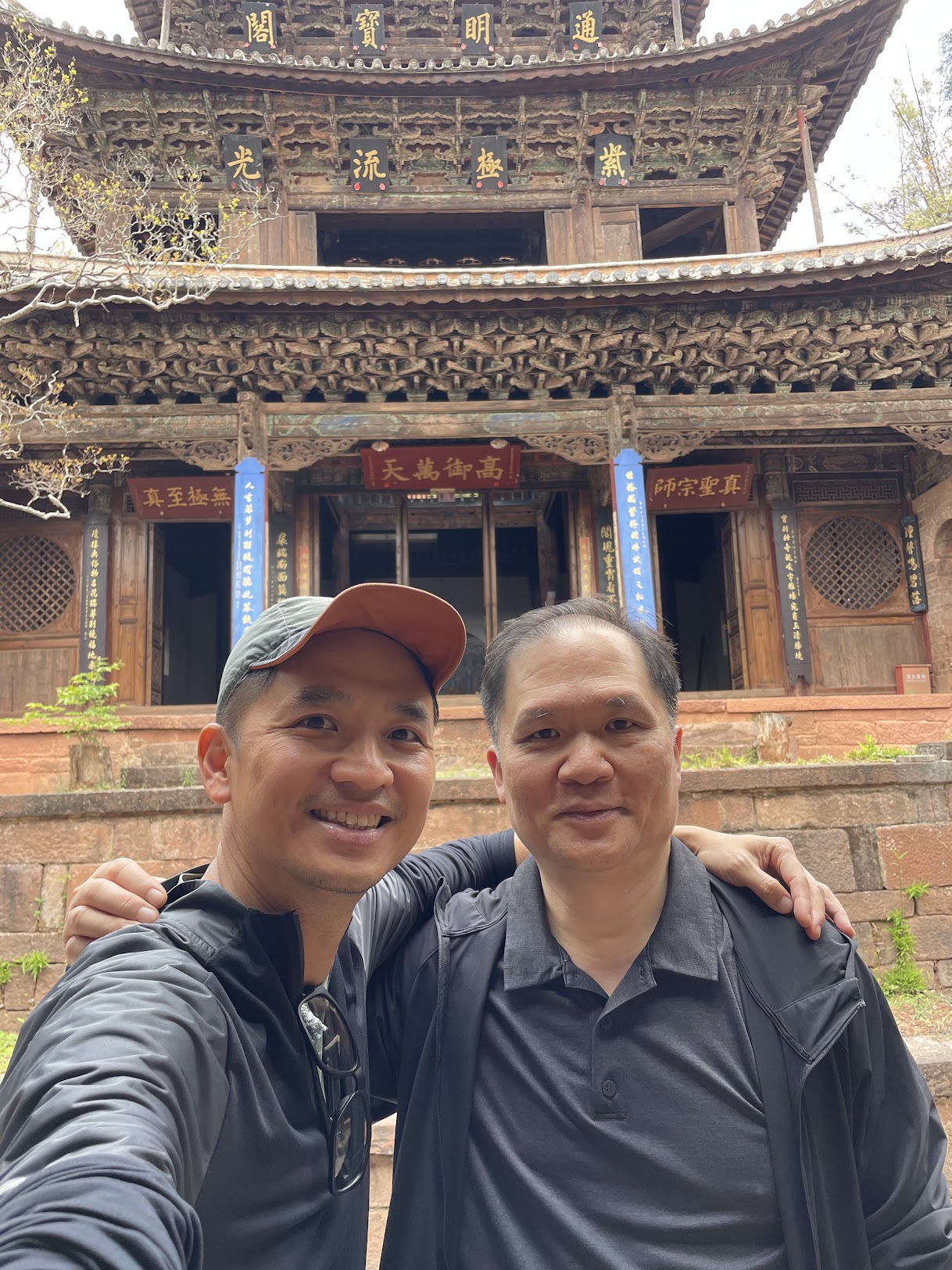
I first thought seriously about this question roughly twenty years ago. I was backpacking alone through Yunnan, moving between villages of ethnic minorities in the mountains, and something about the way people lived there stayed with me — not as exotic novelty, but as a kind of ease that city people had long forgotten.
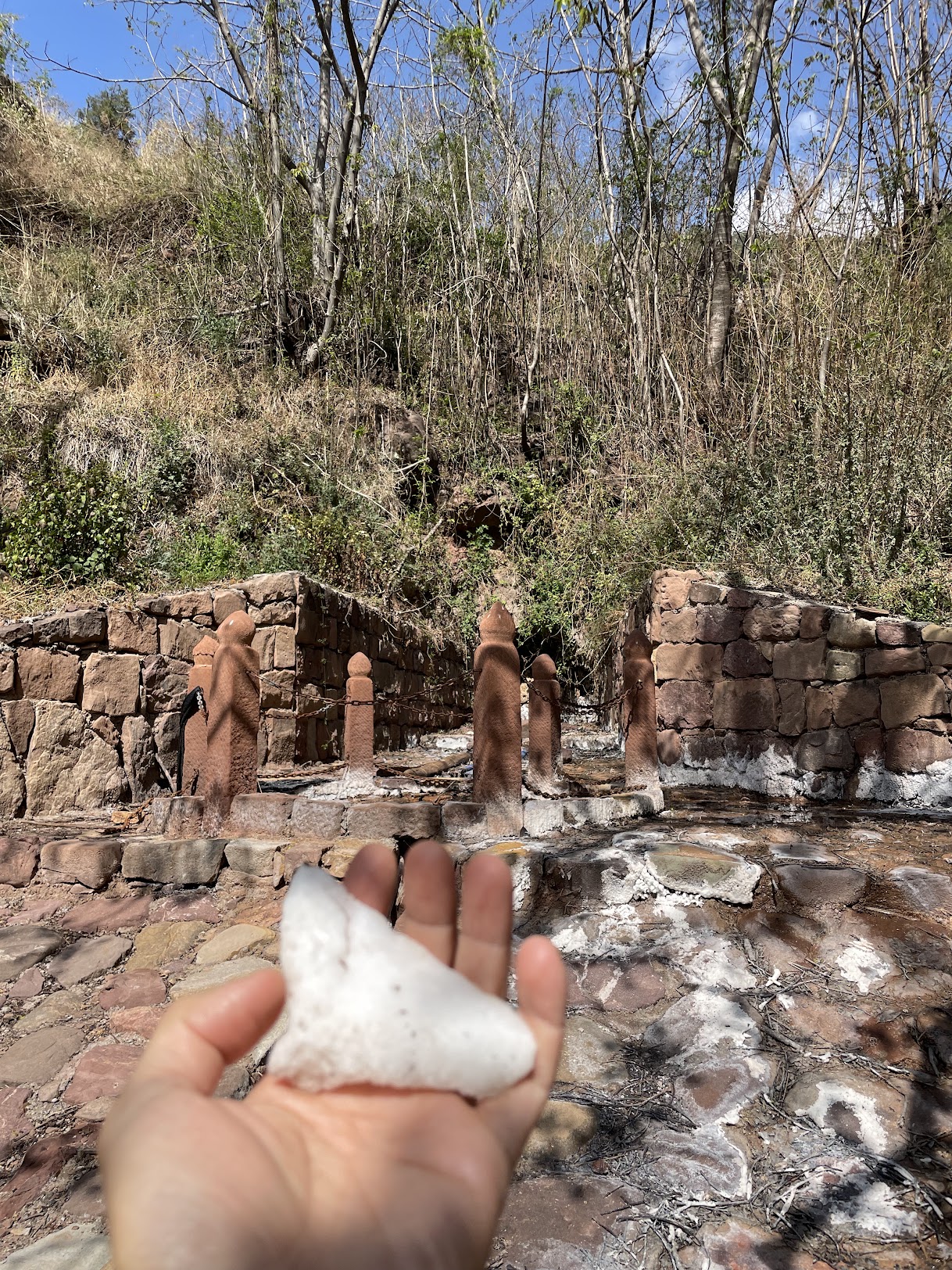
Twenty years later, in 2024, I returned. I'll be honest: Dali was a disappointment. The old town had grown too commercial — crowds, souvenir shops, the feel of a carefully curated theme park. But travel has a way of surprising you beyond its starting points. Dali was just a doorway, the first dot on a longer line. From there, I finally reached Nuodeng ancient village — a place I had wanted to visit for years but never could. The reason was simple: the mountain roads were too unreliable. A single rainstorm could trigger a landslide and strand you for hours, sometimes a day or two. Now the roads have been repaired. The door was finally open.
That quietness has become a problem today. Markets do not come looking for you. If you do not find the market, the market lets you disappear.
GutCommon is not a poverty relief agency, not an NGO, not a heritage preservation body. We are a commercial company — one built around the goal of solving social problems. We chose this path because we believe that the most durable way to protect a tradition is not to put it in a museum — it is to keep it needed, bought, consumed.
最好的保育,是讓傳統繼續被需要。
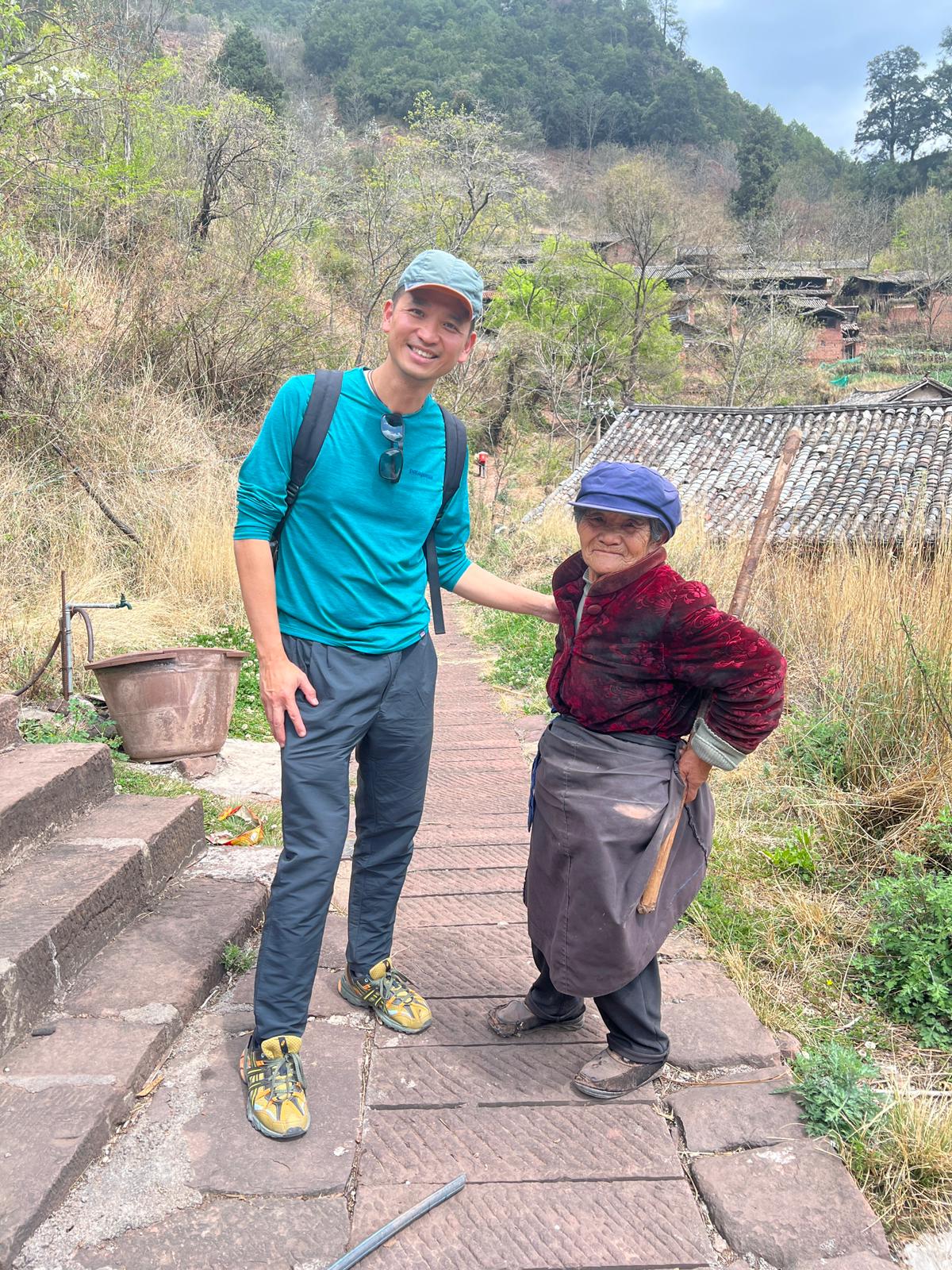
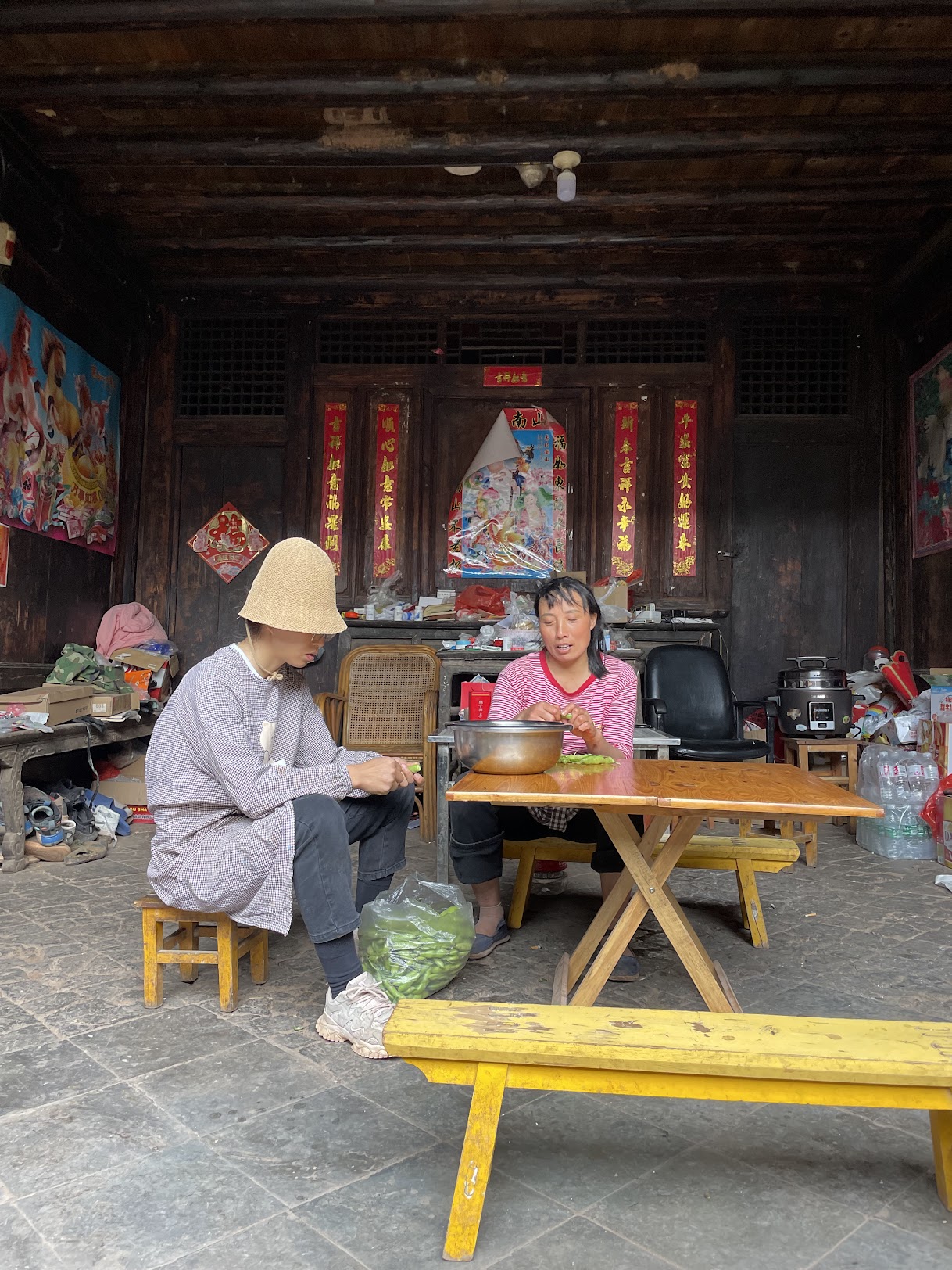
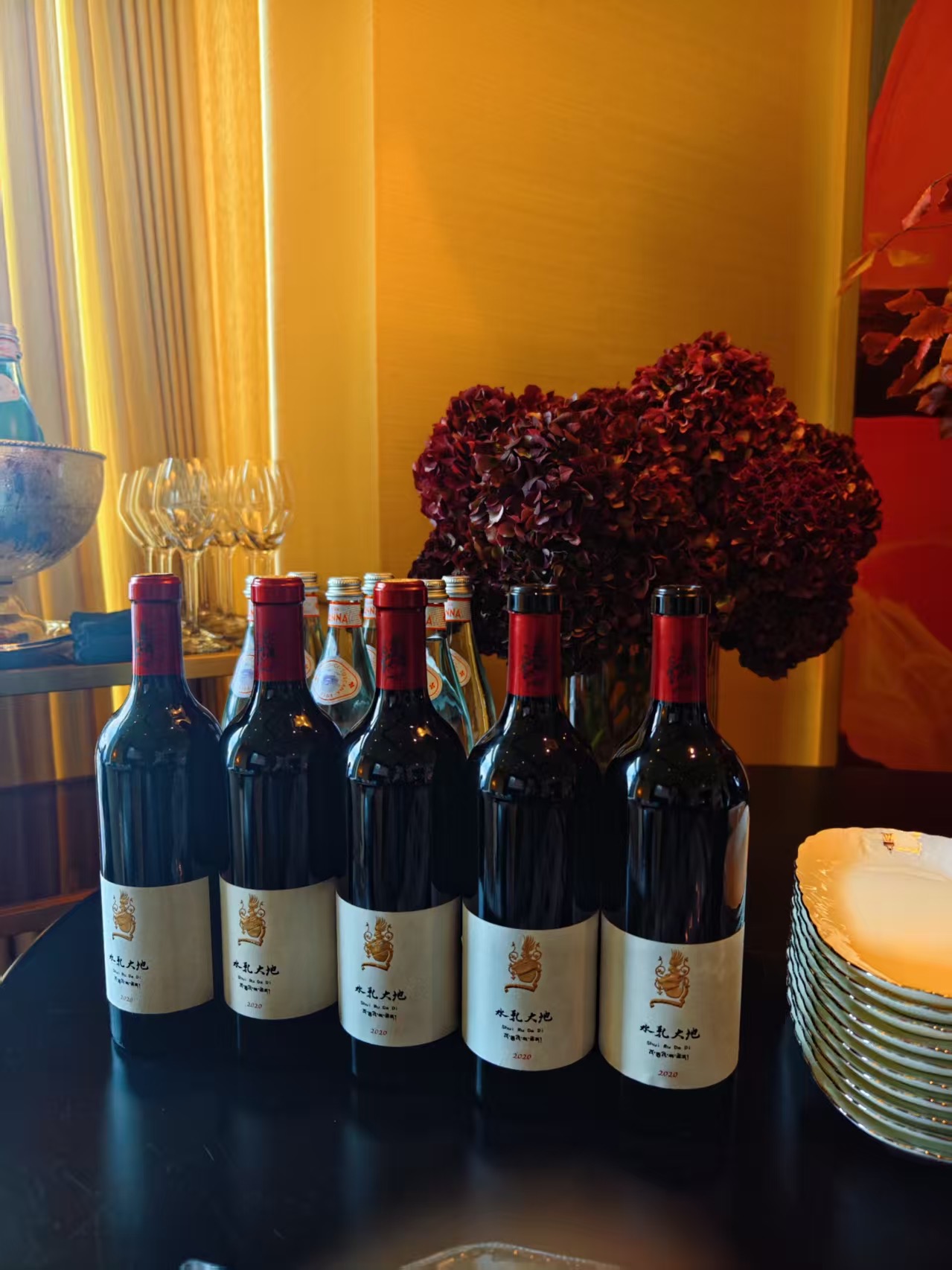
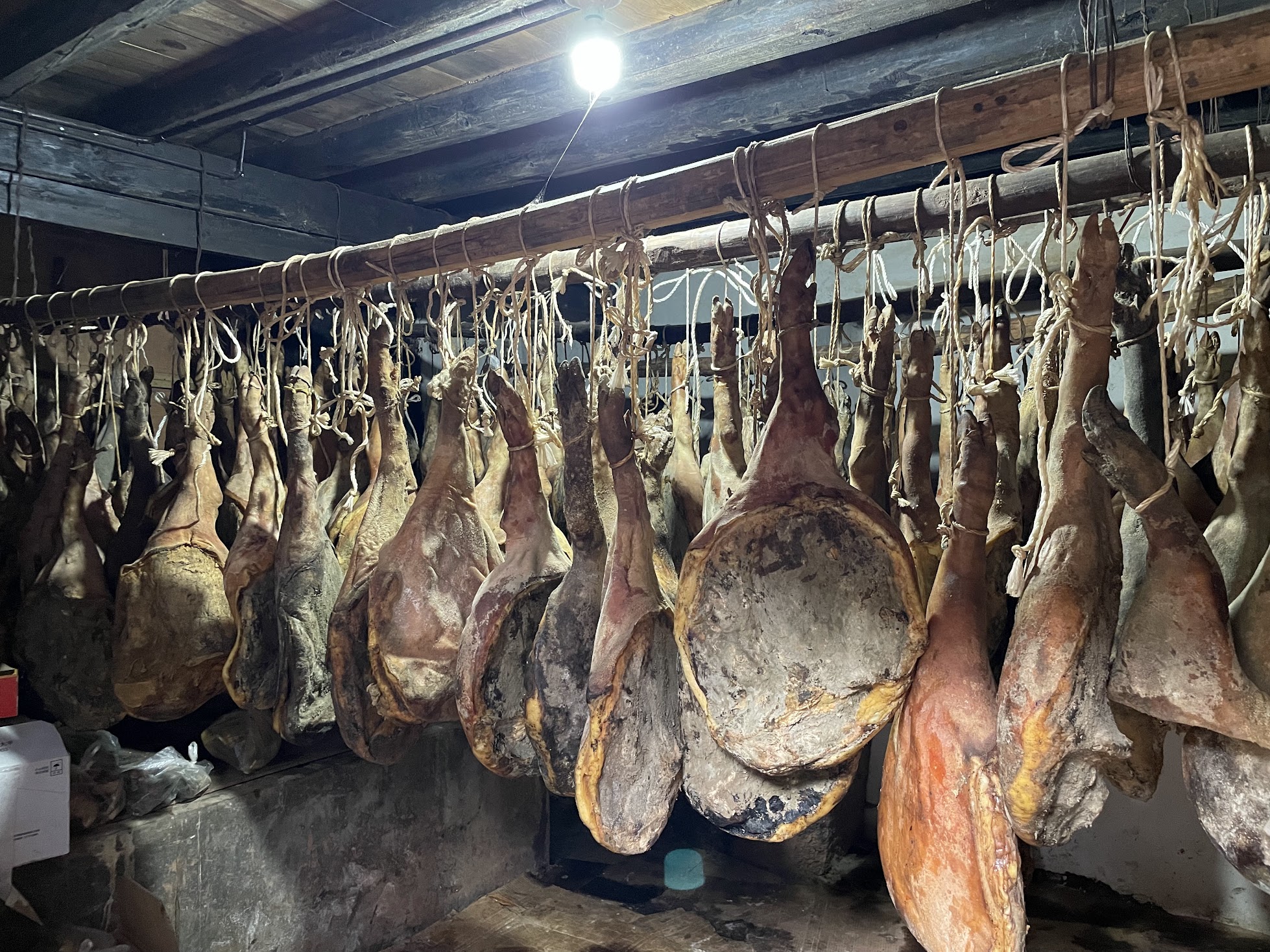
Our work is to build connections. To bring Nuodeng ham and Yunnan highland wine to the tables of restaurants and consumers in Hong Kong, Southeast Asia, Japan — not just selling a bottle or a leg, but transmitting a story, a bond with a landscape far away.
Market forces can be brutal. They eliminate faster than any natural disaster. But market forces can also be the most powerful conservation tool in existence — because they give the guardians a reason to stay. A Nuodeng family that knows someone will pay a fair price for their ham has a reason to teach the craft to their children rather than send them to the city for factory work.
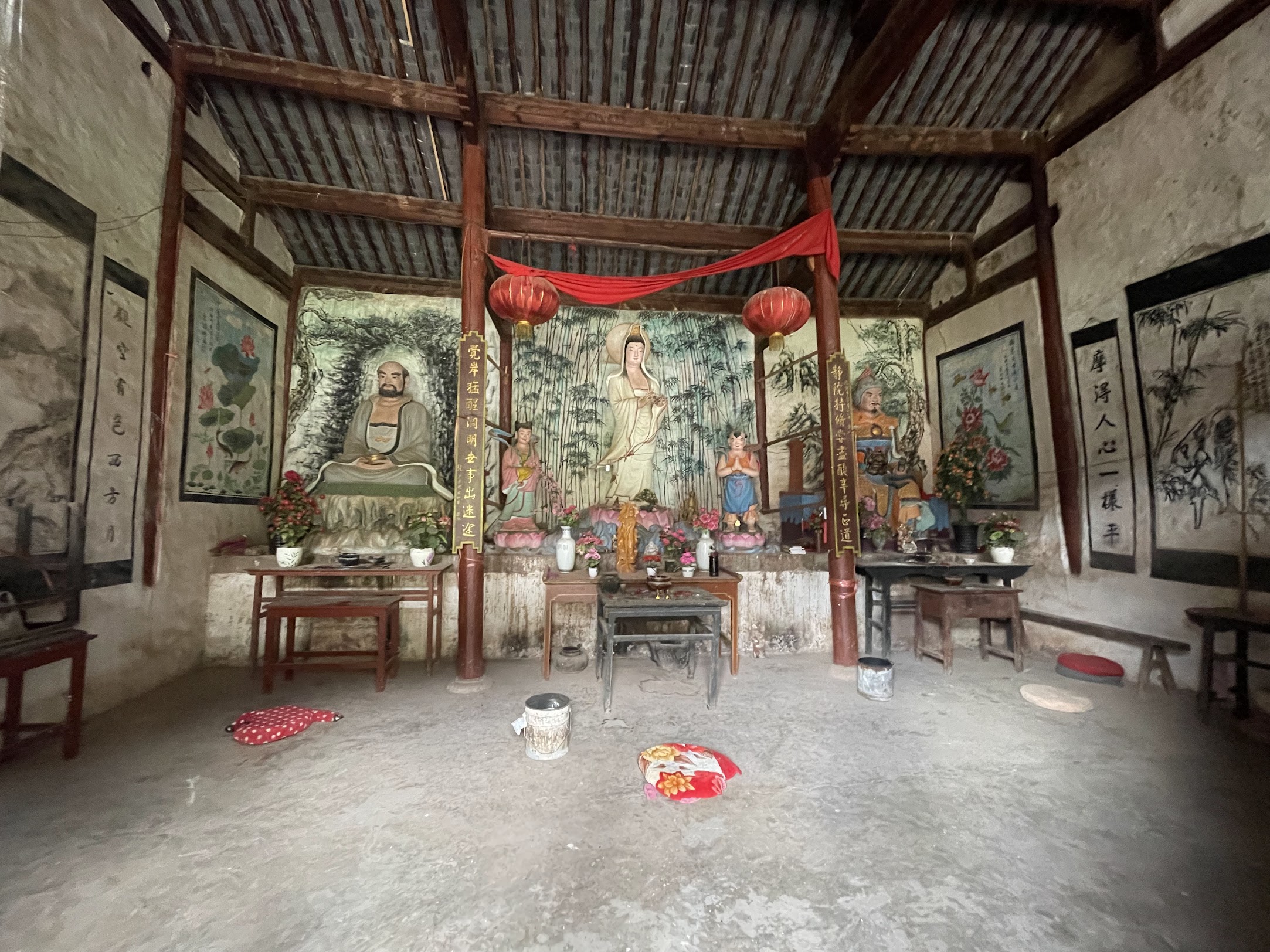
It is very far. From Hong Kong to Nuodeng in Yunlong County takes a full day of flights and mountain roads. But food is the shortest path. A slice of Nuodeng ham on a Hong Kong restaurant table connects a diner to a Yunnan mountain village more directly than any documentary — no travel required, no intermediary, only one person willing to make something carefully, and another willing to eat it seriously.
That is the path we have chosen.