Yunnan wine is produced in the Hengduan Mountains of southwestern China at elevations between 1,800 and 2,800 metres, where intense UV radiation, dramatic day-to-night temperature swings of up to 20°C, and pristine mountain air create growing conditions for Cabernet Sauvignon that produce grapes of exceptional phenolic concentration and natural acidity — placing Yunnan among the world's most distinctive high-altitude wine regions alongside Mendoza and the Douro.
Yunnan wine is no longer a secret. In a province better known for ancient tea trade routes and ethnic minority cultures, a world-class wine region has been quietly maturing — grown at altitudes that would be considered extreme anywhere else on Earth.
This is the complete guide to understanding Yunnan wine: where it comes from, why altitude changes everything, and why the world’s most discerning sommeliers are paying attention.
What Is Yunnan Wine?
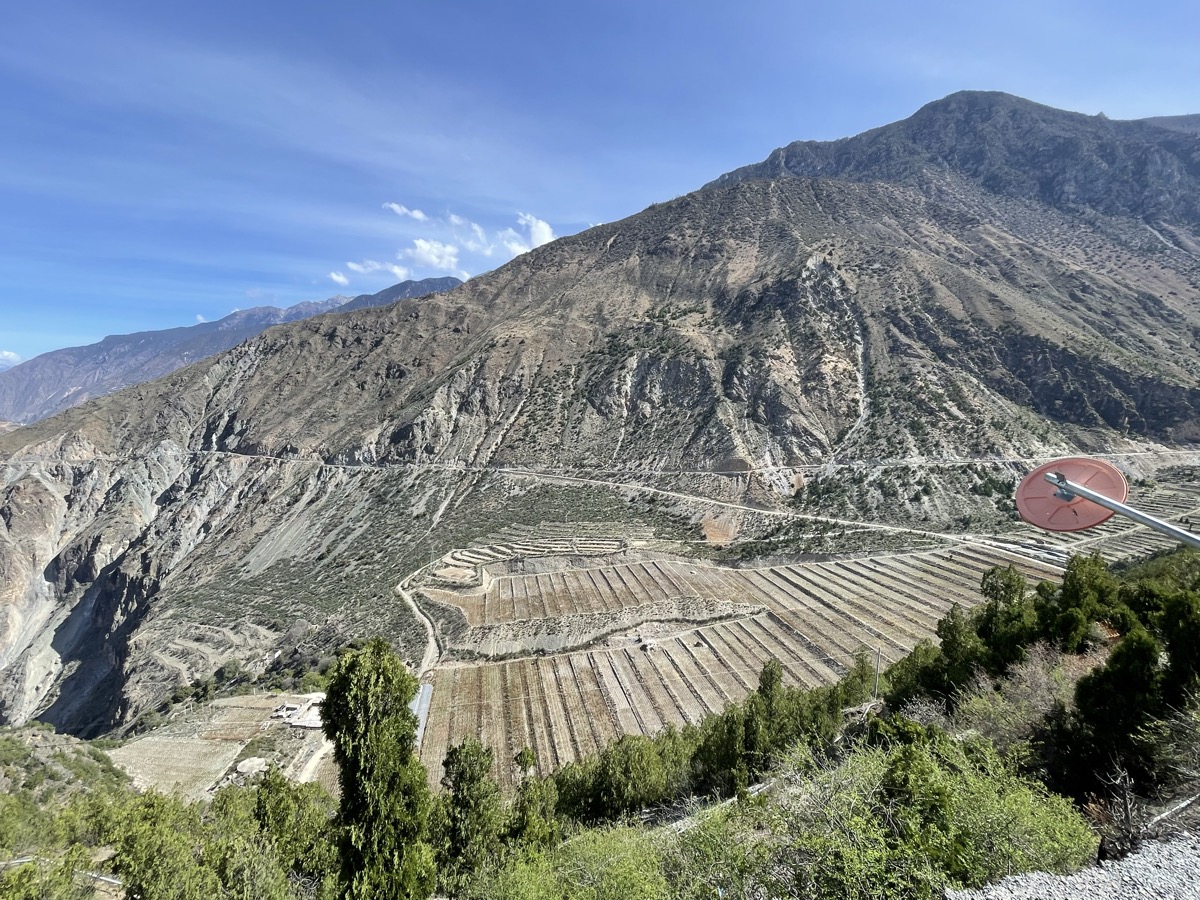
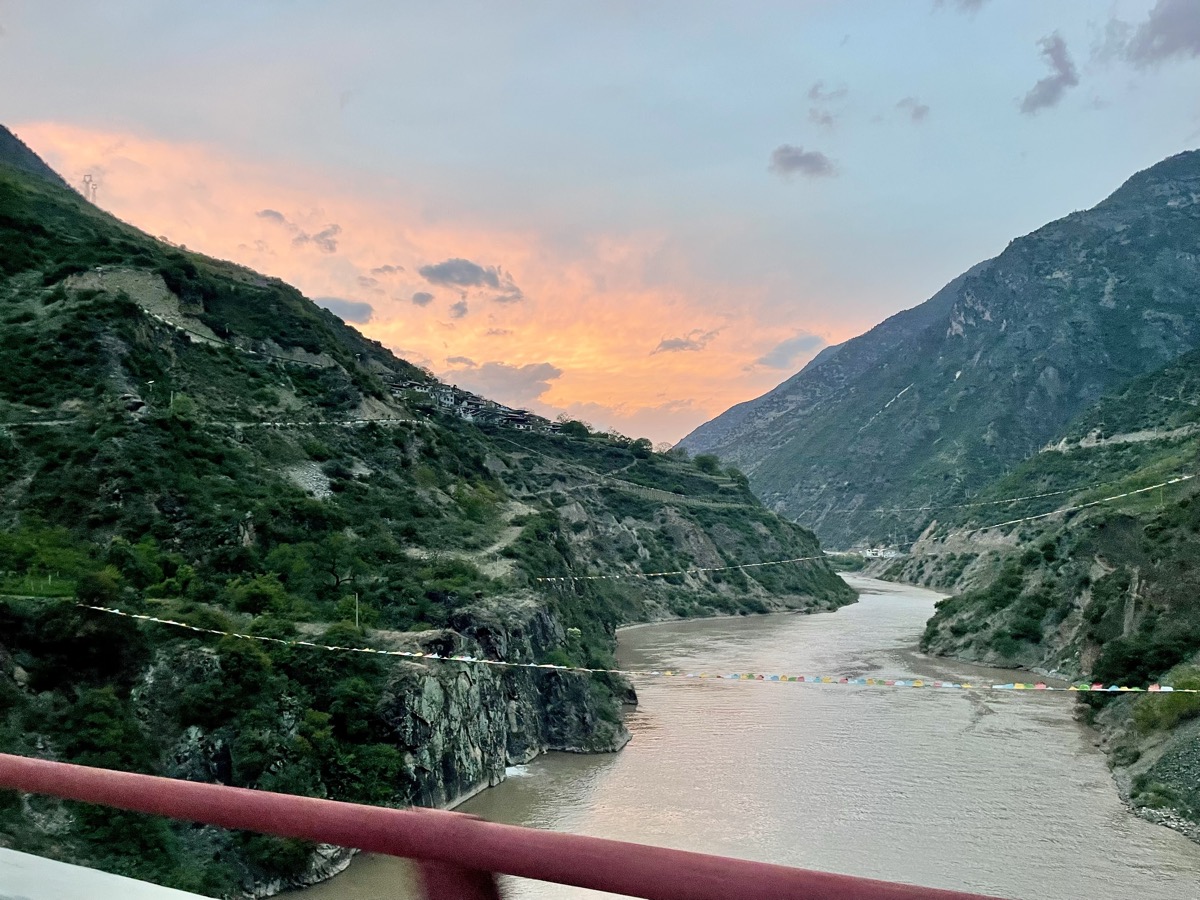
Yunnan is China’s southernmost province, sharing borders with Myanmar, Laos, and Vietnam. But the wine-growing areas sit in the far northwest — in the Hengduan Mountain range, where the Mekong, Salween, and Yangtze rivers cut parallel gorges through the Tibetan Plateau.
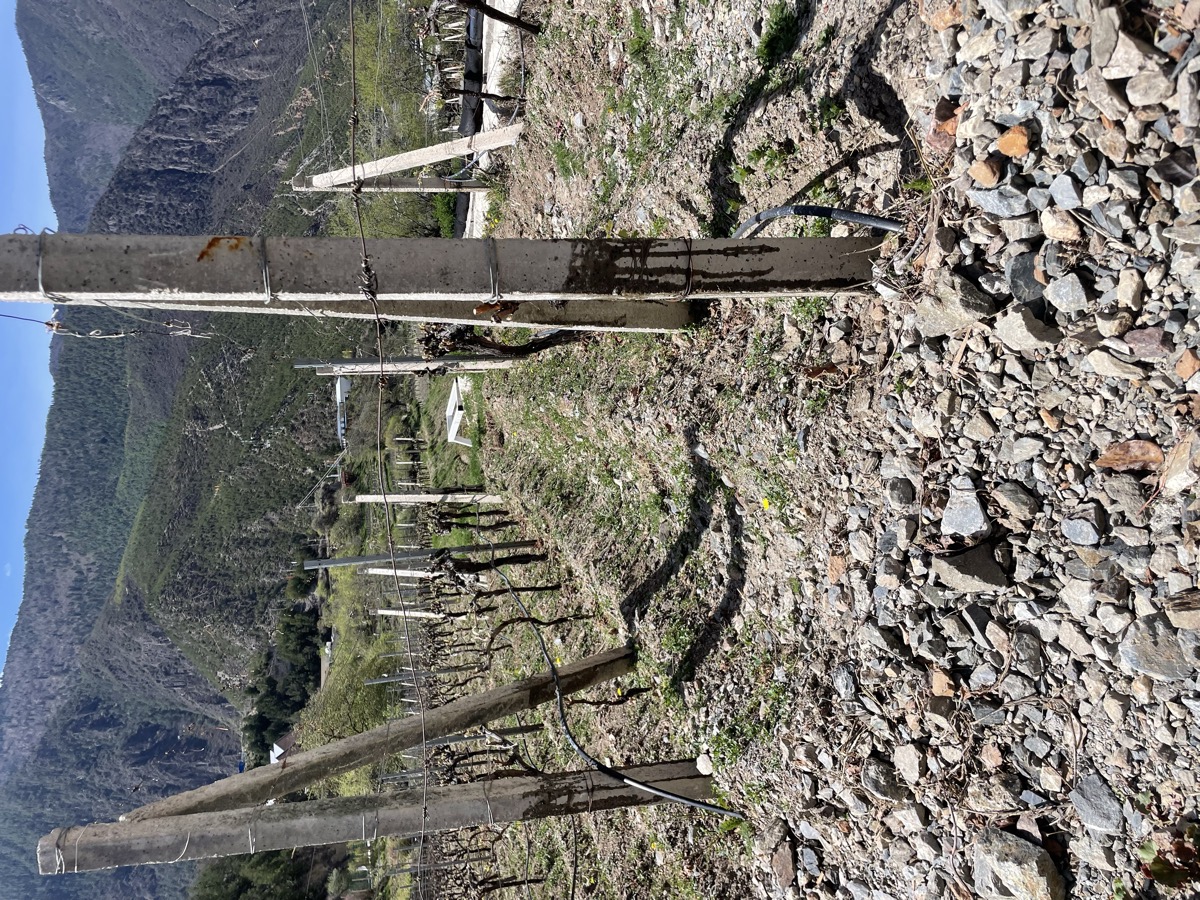
Here, at elevations between 1,800 and 2,800 metres, vineyards cling to slopes that receive intense UV radiation, dramatic day-to-night temperature swings of up to 20°C, and low annual rainfall. These are exactly the conditions that produce grapes with extraordinary phenolic concentration and natural acidity — the two pillars of great wine.
The primary wine-growing area is Shangri-La (迪慶藏族自治州), a Tibetan Autonomous Prefecture centred around the ancient town of Gyalthang (中甸). The region’s most prized vineyards sit in the shadow of Meili Snow Mountain (梅里雪山), a sacred peak that local Tibetan people believe to be the earthly manifestation of a protective deity.
Why Altitude Matters in Yunnan Wine
Conventional wisdom says great wine comes from moderate climates — Bordeaux, Burgundy, Napa Valley. Yunnan breaks every rule.
UV intensity at 2,360 metres is roughly double that at sea level. This stresses the grape vine, thickening skins and concentrating anthocyanins — the pigments responsible for deep colour and tannin structure.
Diurnal temperature variation — the difference between the hottest part of the day and the coldest part of the night — routinely exceeds 15–20°C in the Meili valleys. This allows grapes to ripen slowly while retaining their natural acidity, producing wines with both richness and freshness.
Low humidity and rainfall means almost no fungal disease pressure. Yunnan winemakers can farm with minimal intervention — no systemic fungicides, no herbicides — because the mountain air simply keeps vines healthy.
The result is a style of Cabernet Sauvignon that doesn’t taste like anywhere else: deep fruit concentration, high natural acidity, earthy minerality, and a long finish that seems to carry the altitude itself.
Key Producers in Yunnan
Several producers have established serious reputations in Yunnan’s wine scene.
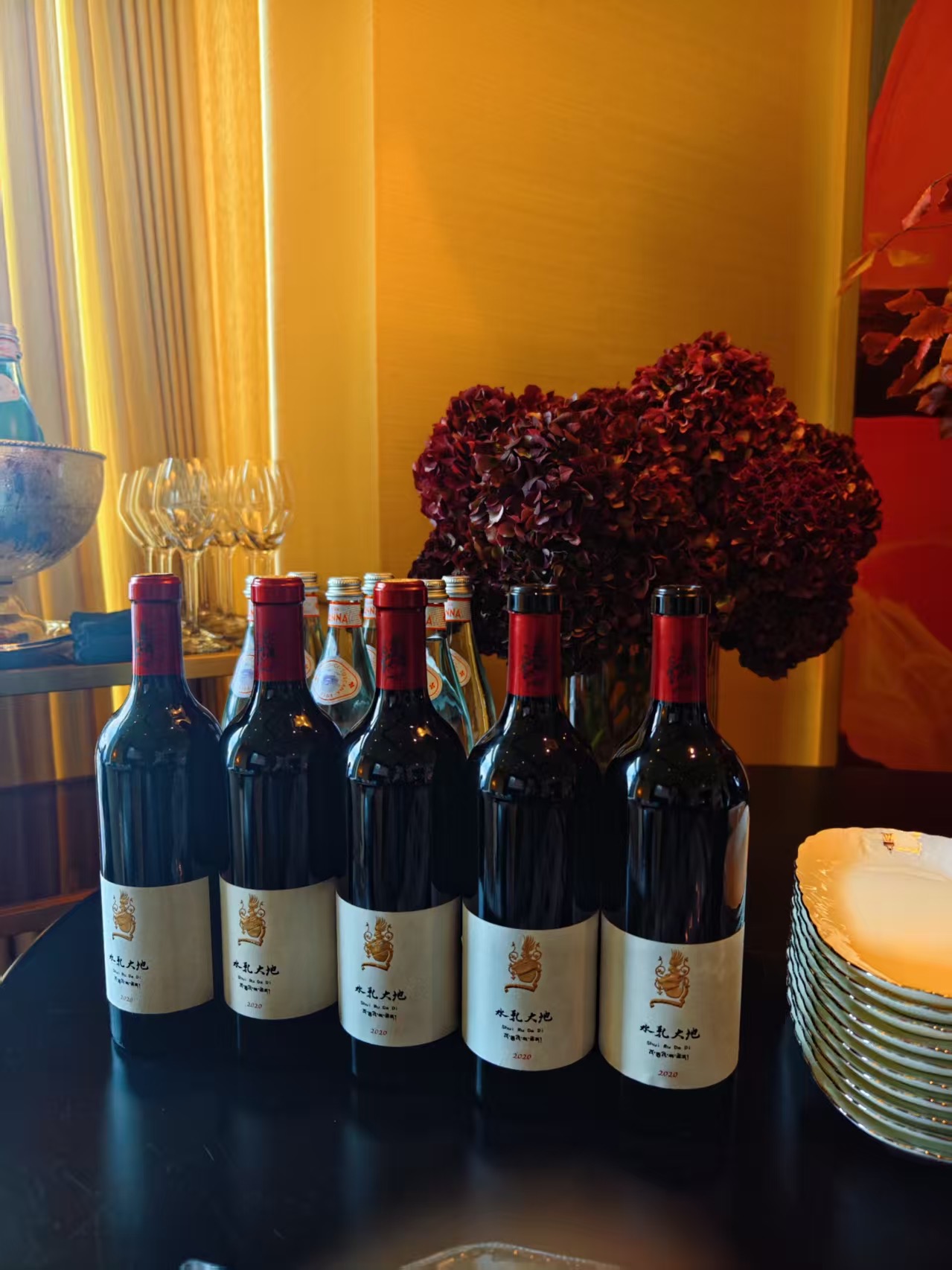
Chateau Roduit × GutCommon produces 水乳大地 — perhaps the region’s most talked-about small-batch Cabernet Sauvignon. Swiss winemaker Yves Roduit and Tibetan winemaker Helene oversee just 5,000 bottles per year from 16 farming families. The wine is aged in traditional clay pots rather than oak barrels — a technique that preserves the raw expression of the mountain terroir without adding exogenous flavour.
Shangri-La Winery (香格里拉酒业) is the largest producer in the region, known for introducing Cabernet Sauvignon to the area in the 1990s after a geological survey identified the valley soils as ideal for viticulture.
Sun Spirit Winery and Meili Village Chief Winery represent the boutique end of the market — small-scale operations producing limited quantities for the local and Hong Kong markets.
水乳大地: A Yunnan Wine Deep-Dive
Of all the wines produced in Yunnan today, 水乳大地 best represents the region’s potential for world-class quality.
The name means “where water and earth meet as one” — a reference to the Tibetan belief that the land around Meili Snow Mountain is sacred, sustained by glacial meltwater that flows through the mountain’s rocky soils into the vines.
Grown at 2,360 metres of elevation, the grapes yield just 6–8 clusters per vine per season — a deliberately low yield that concentrates flavour. The wine is aged in unlined clay pots (陶罐), an ancient technique that allows micro-oxygenation without imparting oak tannins or vanilla notes.
The tasting profile: layers of dark fruit (blackcurrant, black cherry), a whisper of mountain earth, velvety texture, and a long finish that carries a distinct mineral quality unlike any other Chinese wine.
Where to Buy Yunnan Wine
Yunnan wine is still difficult to find outside of China, Hong Kong, and Macau — which is part of what makes it so compelling to collectors.
水乳大地 is available through GutCommon for wholesale and restaurant partnerships. It is currently listed at Rosewood Hong Kong’s Carlyle & Co, Mandarin Oriental Wine Bar, and The Peninsula Shanghai.
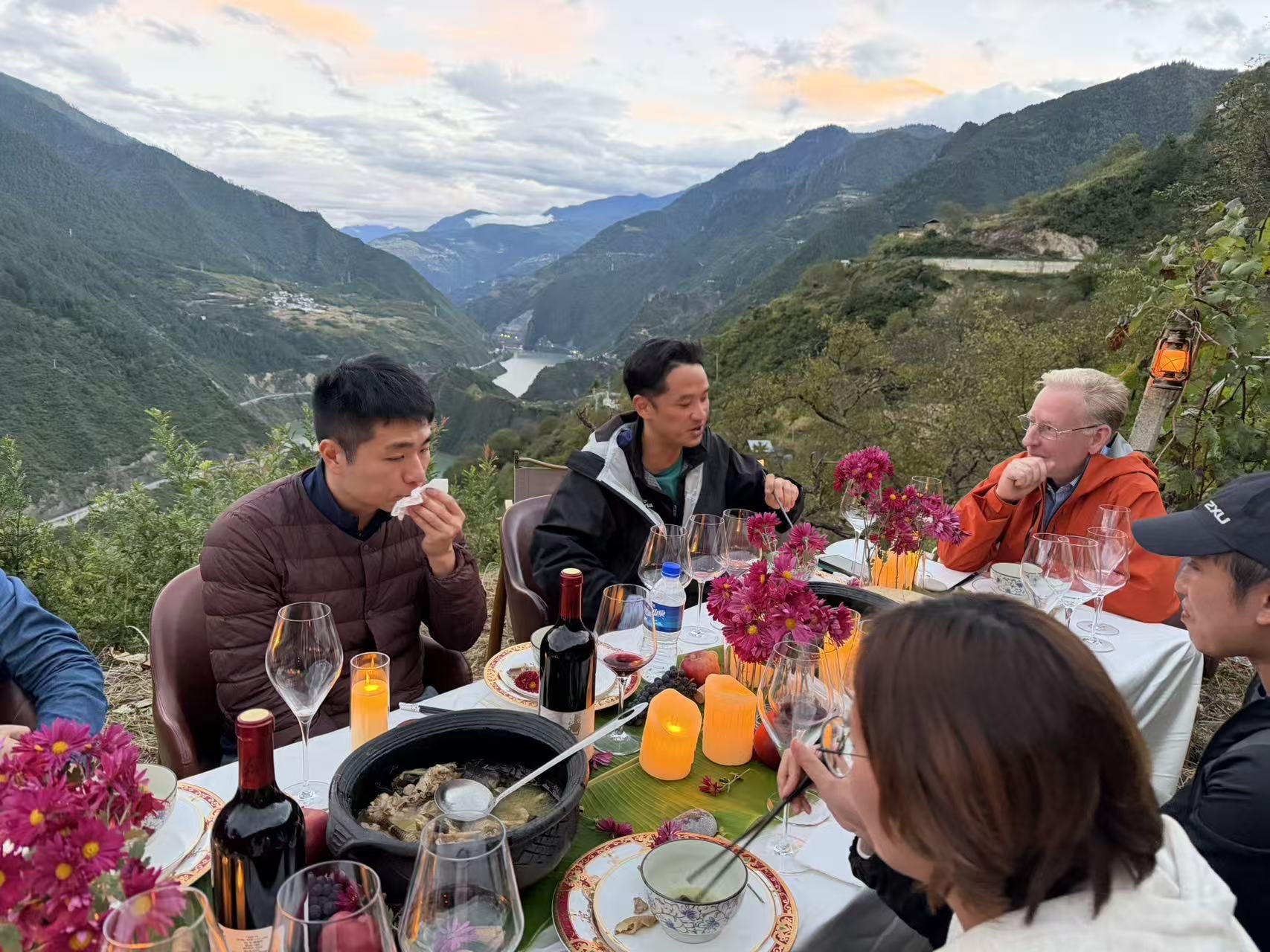
For those who want to experience Yunnan wine in situ, GutCommon also runs a Discovering Next Burgundy wine tour — a 7-day, 6-night journey through Shangri-La’s finest producers, vineyards, and winery estates.