There is a mountain in northwestern Yunnan that the Tibetan people believe is alive.
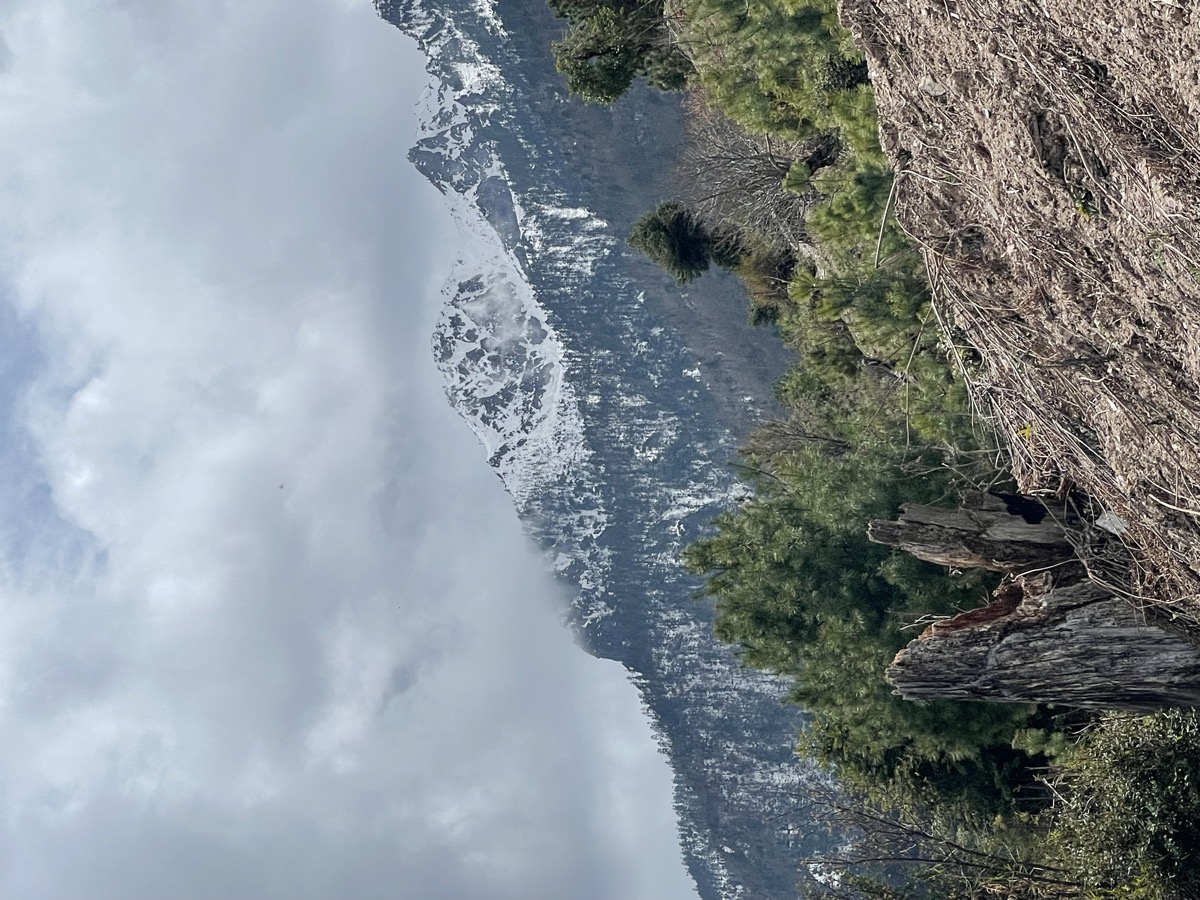
Meili Snow Mountain (梅里雪山) — Kawagebo in Tibetan — rises to 6,740 metres above sea level, its summit perpetually shrouded in cloud and snow. It is considered one of the eight sacred mountains of Tibetan Buddhism, a place of such spiritual significance that its peak has never been summited. Every attempt has failed — including a famous 1991 expedition in which seventeen climbers perished. The mountain, the Tibetan people say, does not wish to be conquered.
Below its sacred summit, in the valleys carved by glacial rivers over millennia, some of the finest wine grapes in China are growing.
The Sacred Mountain and Its Valley
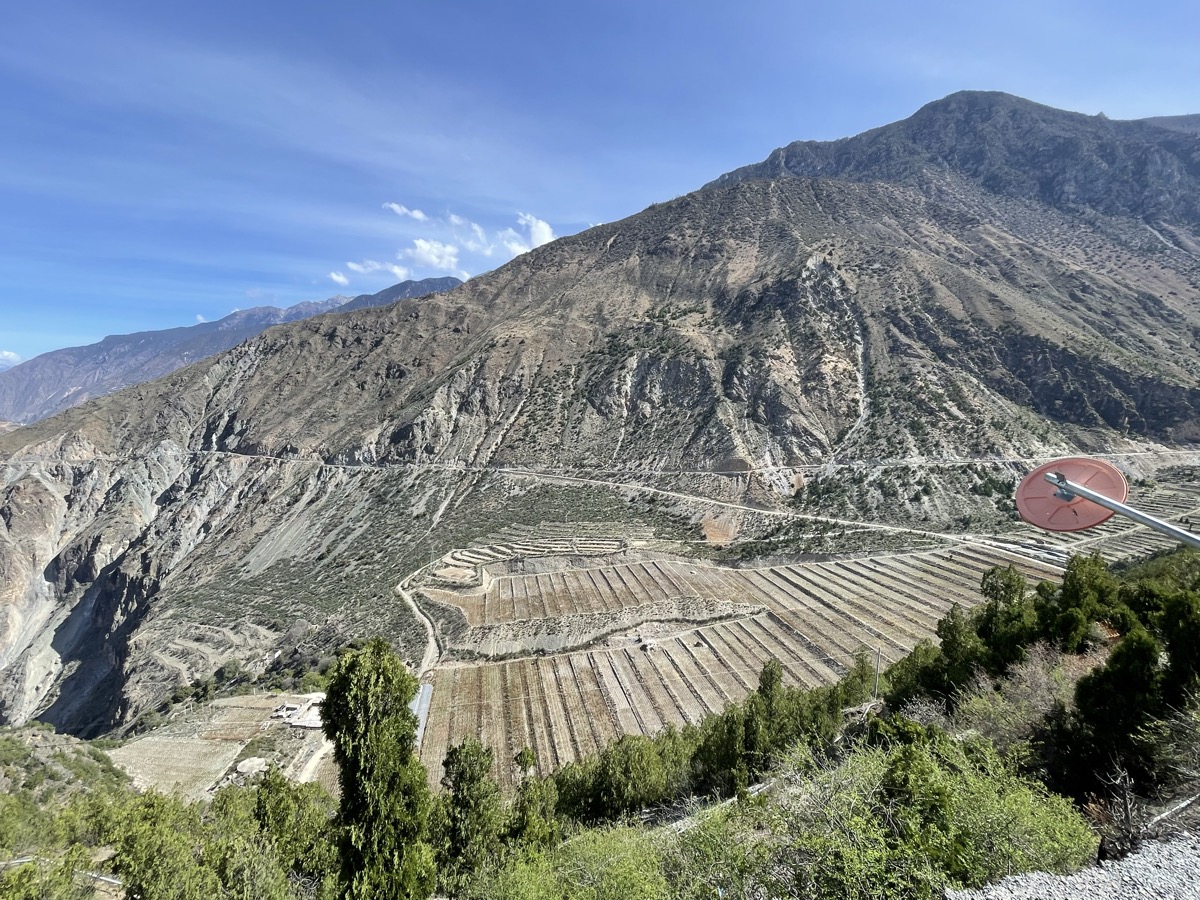
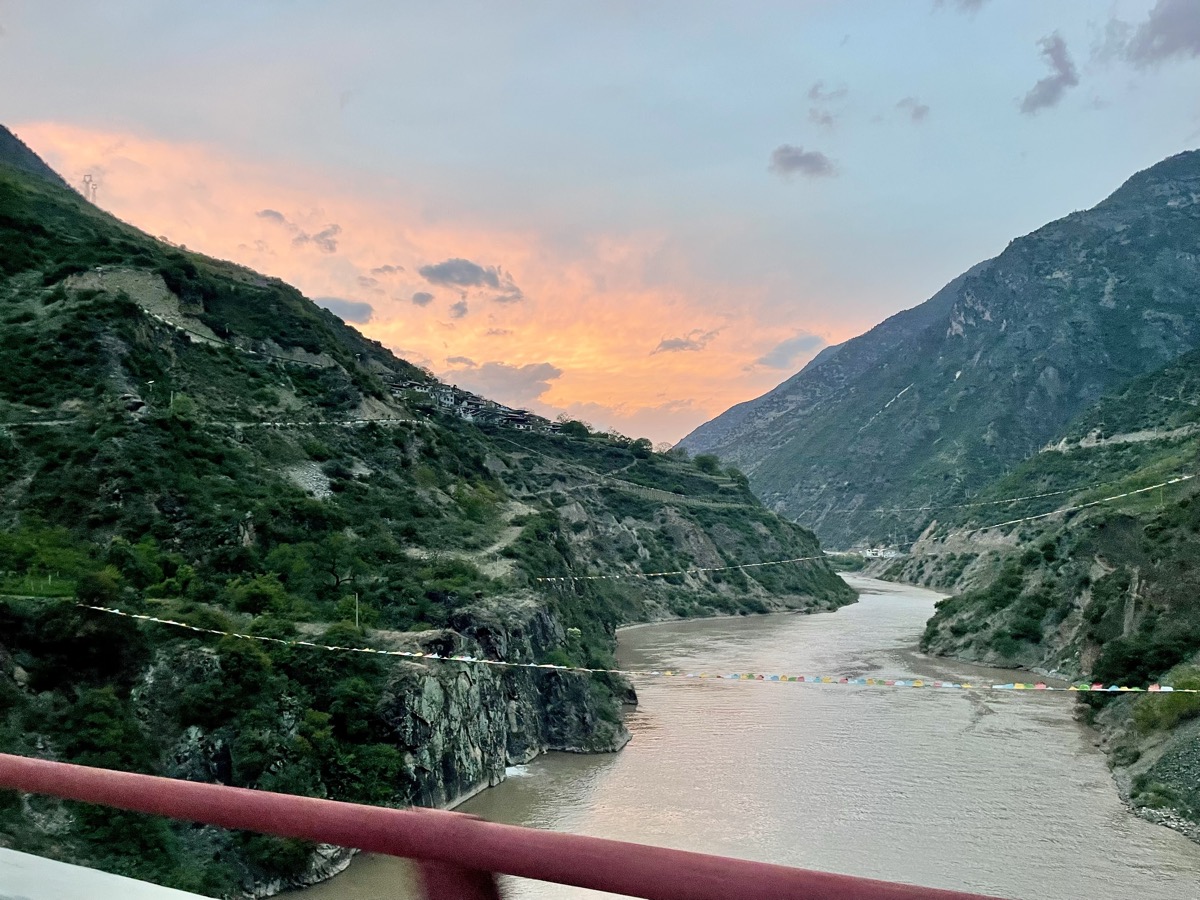
The area around Meili Snow Mountain forms part of the Hengduan Mountains — the Transverse Range that marks the geological boundary between the Tibetan Plateau and the subtropical lowlands of Yunnan. Three of Asia’s greatest rivers — the Mekong (澜沧江), the Salween (怒江), and the Yangtze (金沙江) — flow in parallel gorges through this range, separated in places by only dozens of kilometres.
This geography creates something unusual: a series of north-south valley corridors that channel cold Tibetan air from the north and warm, moisture-laden air from the south. The result is a climate that defies simple categorisation — cold enough for the vines to rest properly in winter, warm enough in summer to ripen Cabernet Sauvignon fully, and dry enough year-round to avoid the fungal diseases that plague lower-altitude viticulture in China.
Terroir at 2,360 Metres
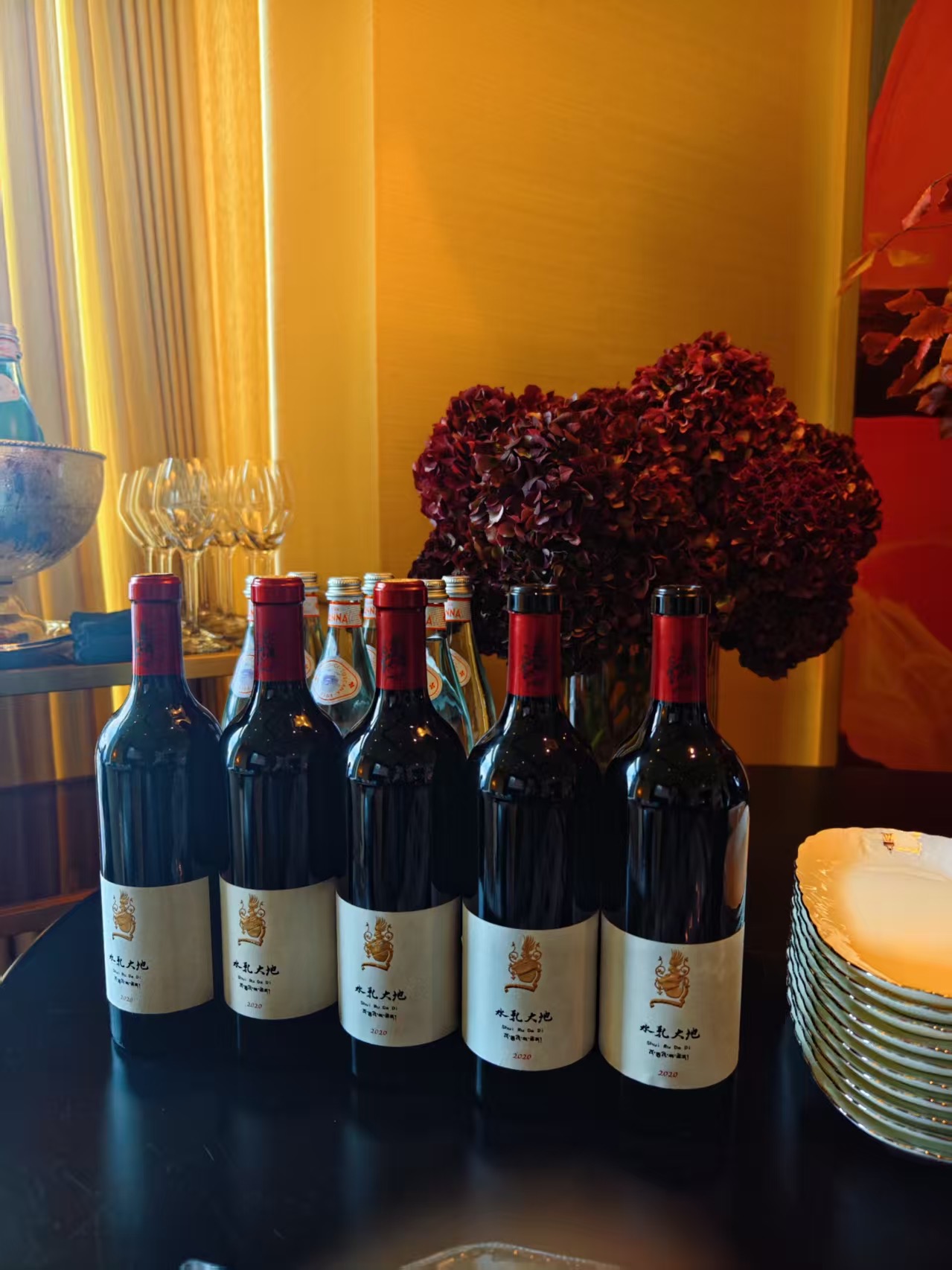
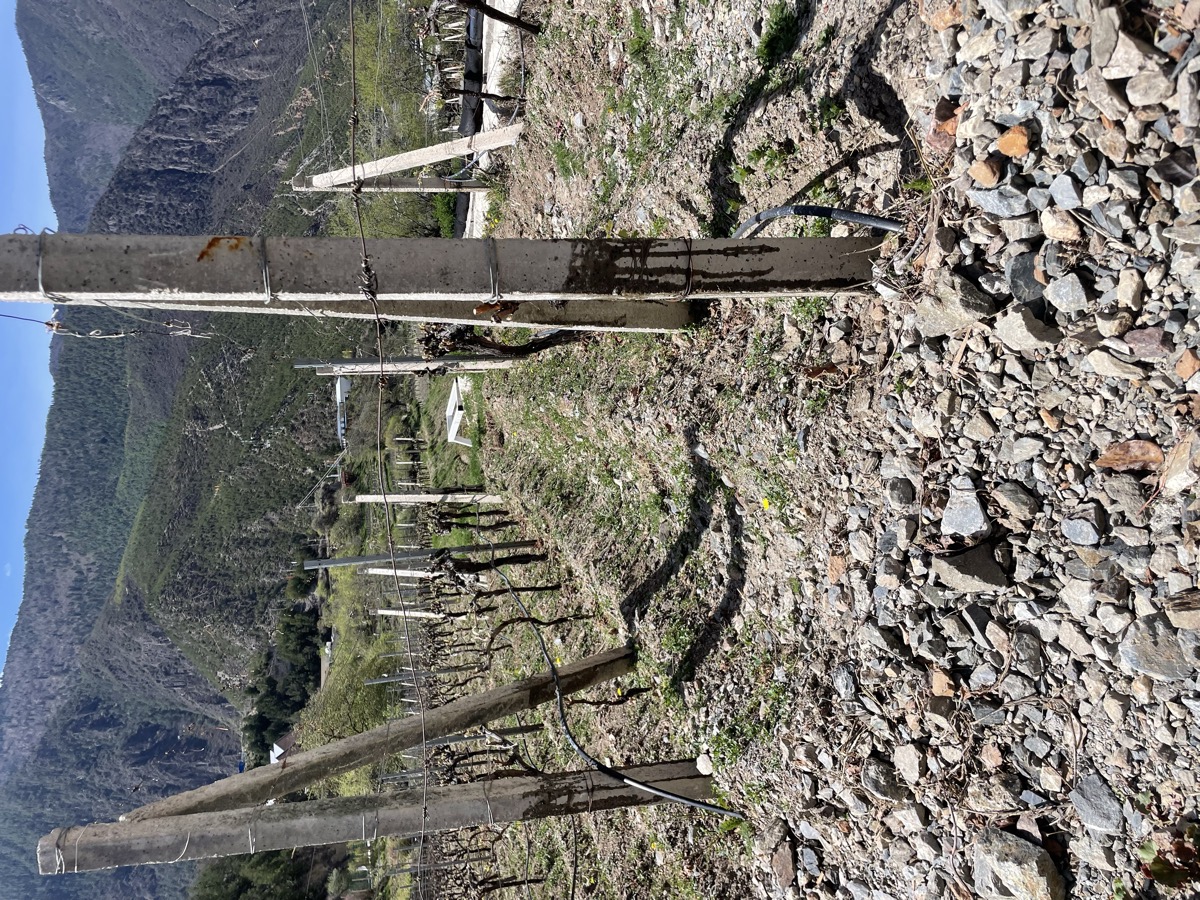
The vineyards that produce GutCommon’s 水乳大地 sit at 2,360 metres elevation on the slopes facing Meili’s glacial runoff. This is, by any measure, extreme viticulture.
Soils: The valley floor soils are a complex mixture of glacial moraines — rock fragments ground down by millennia of glacier movement — and ancient alluvial deposits from the Mekong River’s tributaries. The dominant minerals are granite, schist, and limestone. This geological complexity gives 水乳大地 its distinctive stony, saline quality: a minerality that is immediately recognisable and impossible to replicate at lower elevations.
UV radiation: At 2,360 metres, the atmosphere provides roughly 40% less UV protection than at sea level. Grape vines respond to this increased radiation by thickening their skins — producing more anthocyanins (colour compounds), more polyphenols (tannin precursors), and more aromatic compounds. This is why high-altitude wines from Yunnan, Argentina’s Mendoza, and the Swiss Valais share a distinctive structural intensity.
Temperature variation: The Meili valleys experience diurnal temperature swings of 15–20°C during the growing season. Days can reach 28–30°C, with intense solar radiation driving photosynthesis and sugar development. Nights drop to 8–12°C, arresting metabolic processes and preserving natural acidity. This slow, cool-night ripening is the key to 水乳大地’s balance: richness without heaviness, concentration without flabbiness.
Rainfall: The Meili valleys receive approximately 600mm of annual rainfall, mostly concentrated in the June–August monsoon. By harvest time in October, conditions are dry — allowing the grapes to achieve full physiological ripeness without dilution. There is no need for irrigation beyond what nature provides.
Winemaking at Altitude
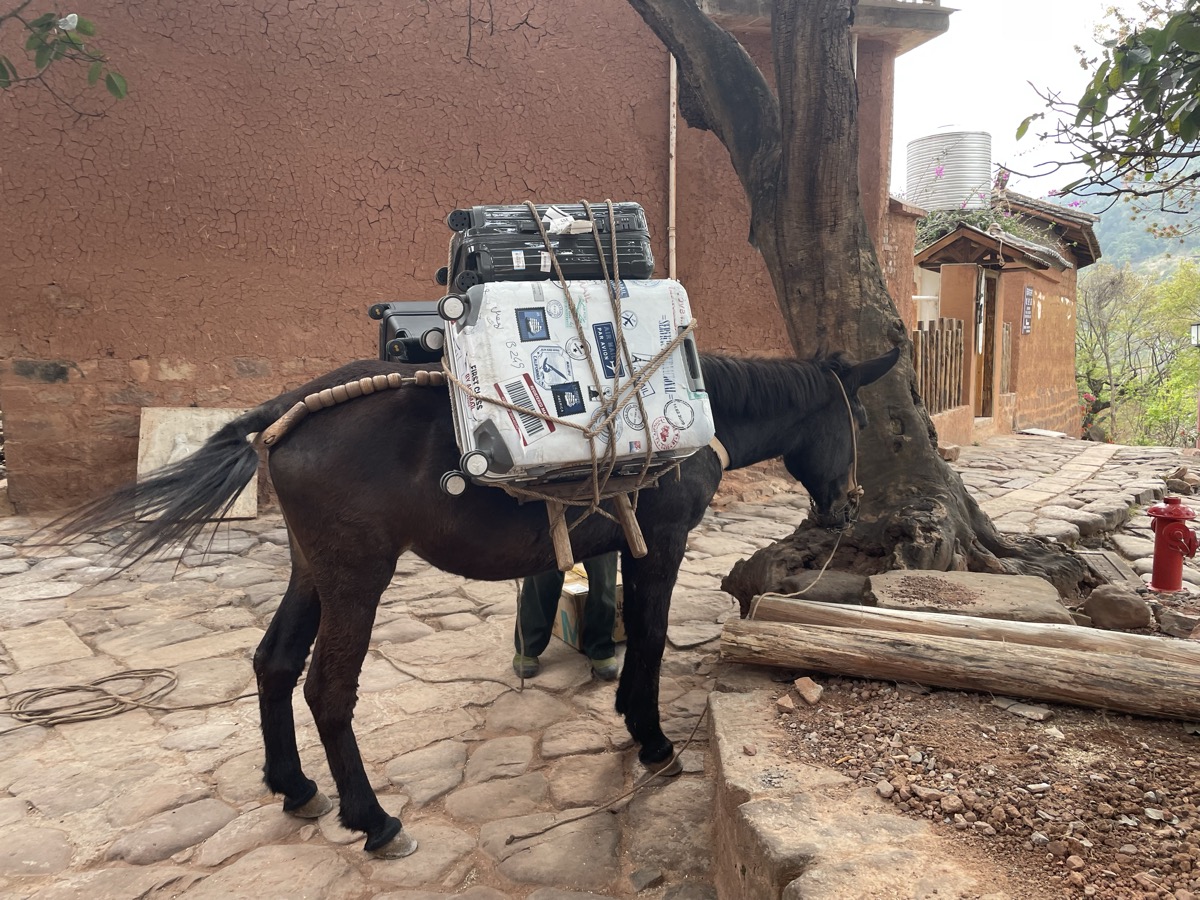
The challenges of winemaking at 2,360 metres are considerable. Equipment must be transported up narrow mountain roads. Temperature control during fermentation requires constant attention — the nights are cold enough to arrest fermentation if the winery is not carefully managed. And the harvest window is narrow: too early, and the grapes lack phenolic maturity; too late, and the first mountain snows arrive.
Yves Roduit and Helene have adapted their winemaking philosophy entirely to these conditions. The approach is minimalist: natural fermentation with indigenous yeasts, no fining agents, no filtration, and aging in clay pots rather than oak barrels.
The clay pot decision is philosophically consistent with the terroir approach. Oak barrels, however excellent, add flavour compounds to wine — vanilla, toast, cedar — that belong to the barrel, not the vineyard. Clay pots allow micro-oxygenation without flavour addition: the wine that emerges is purely the expression of the Meili valley soils, altitude, and grape variety.
“We are not trying to make a great Cabernet Sauvignon. We are trying to let Meili express itself through a Cabernet Sauvignon.” — Helene, co-winemaker, 水乳大地
The 水乳大地 Estate
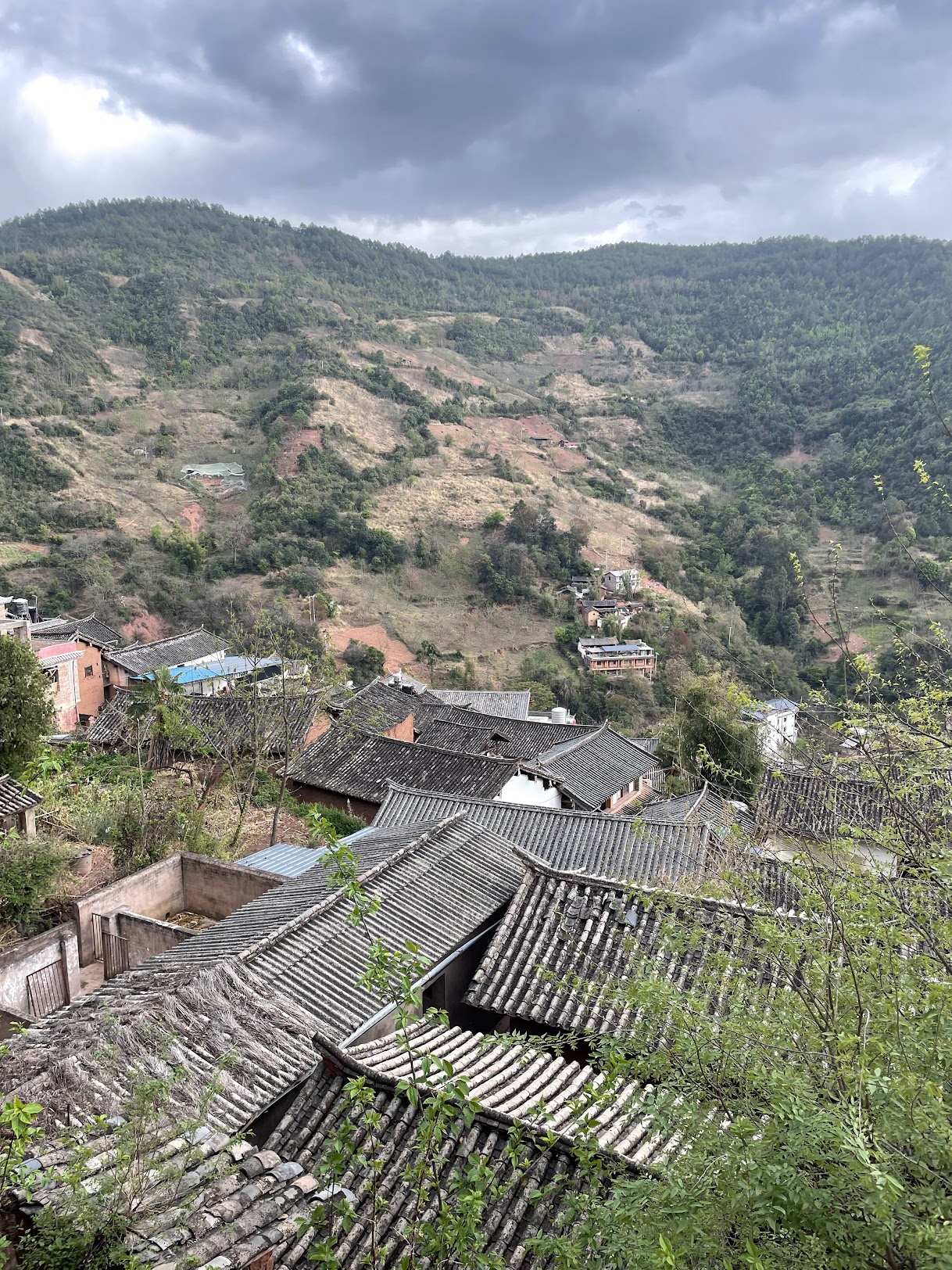
The 水乳大地 estate is not a grand château. It is a collection of small plots farmed by 16 Tibetan families — each family tending their own vines as they have for generations, following the rhythms of the mountain rather than any commercial calendar.
Production is deliberately limited: 5,000 bottles per year, divided among 16 families who receive fair compensation and direct market access through GutCommon. This is not charity — it is recognition that what these families know about their land, their vines, and their climate is irreplaceable.
To experience 水乳大地 is to taste the Meili valley: the glacial minerals, the altitude-driven acidity, the wild mountain herbs that carry on the mountain air. It is a wine that carries its provenance with unusual transparency.