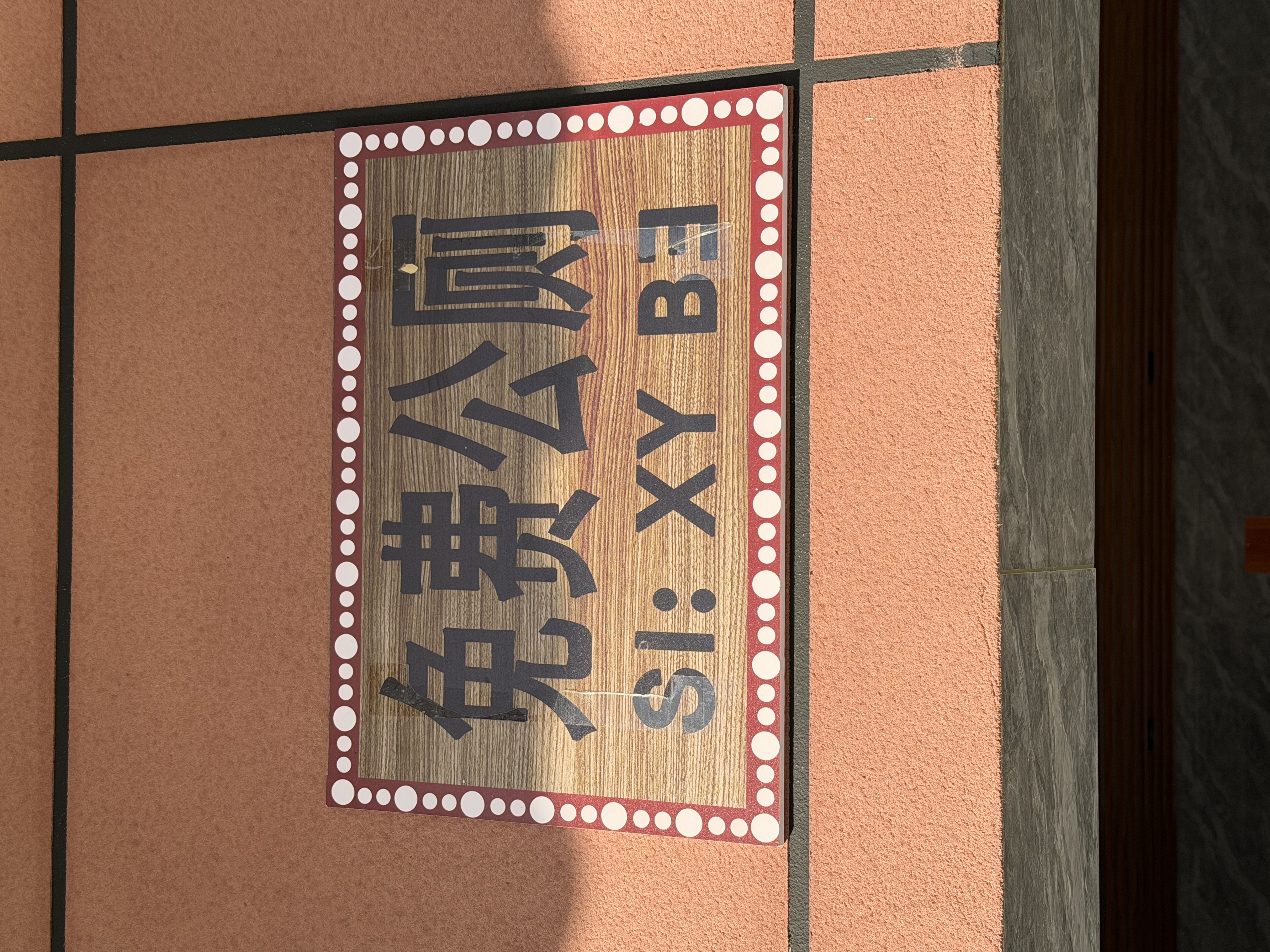
I first noticed the sign around a bend on G219. From a distance it looked like English — the same letterforms as the Latin alphabet, but the arrangement was wrong. Some letters were lying sideways, some upside-down, the whole thing suggesting a child learning English except too regular for that. I told Hwan to stop the car, and walked up to look closely. This was not English. This was a writing system I had never seen before.
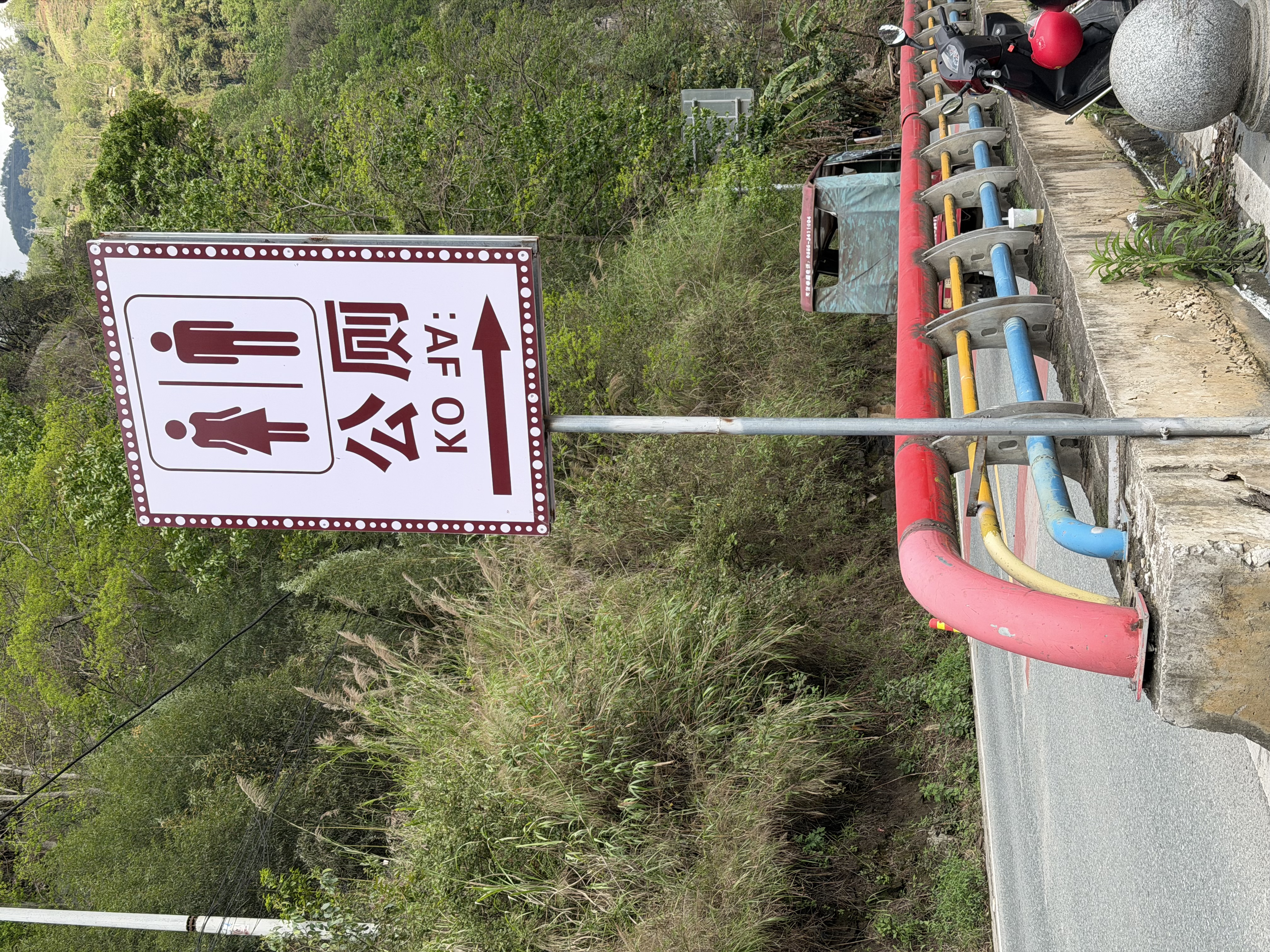
Back in the car, I searched. The answer: Old Lisu Script, also called Fraser Script.
The story begins in the early twentieth century. The Lisu people of the Yunnan-Myanmar border region had a spoken language with no written form. Two Christian missionaries — the British James O. Fraser and a Burmese evangelist named Barnabas — wanted to translate the Bible into Lisu so that believers could read it themselves. The problem: Lisu phonemes could not be represented by Chinese characters (different tonal system, too many incompatible sounds), and no script existed. They needed to create one — and it had to be learnable quickly by people with minimal formal education.
Their solution, simple in description and remarkable in linguistic intuition: take existing Latin letters and create new characters by flipping, rotating, and inverting them, to represent Lisu phonemes that the Latin alphabet itself could not express. A standard "A" represents one sound; an inverted "∀" represents another; a rotated "⊲" represents another still. The complete system has thirty-three consonant characters and twenty-one vowel characters, capable of precisely transcribing every syllable in Lisu.
The script looks like someone dropped an English newspaper and reassembled it upside-down. That's almost exactly what happened.
The Fraser Script carries more than scripture. For Lisu communities, the written and spoken language simultaneously encoded practical ecological knowledge — which plants to harvest in which season, how to prepare forest foods, which roots were medicine and which were food. Writing systems and oral traditions are not merely cultural artifacts; they are repositories of accumulated biological knowledge about local environments. When a language disappears, that knowledge tends to disappear with it.
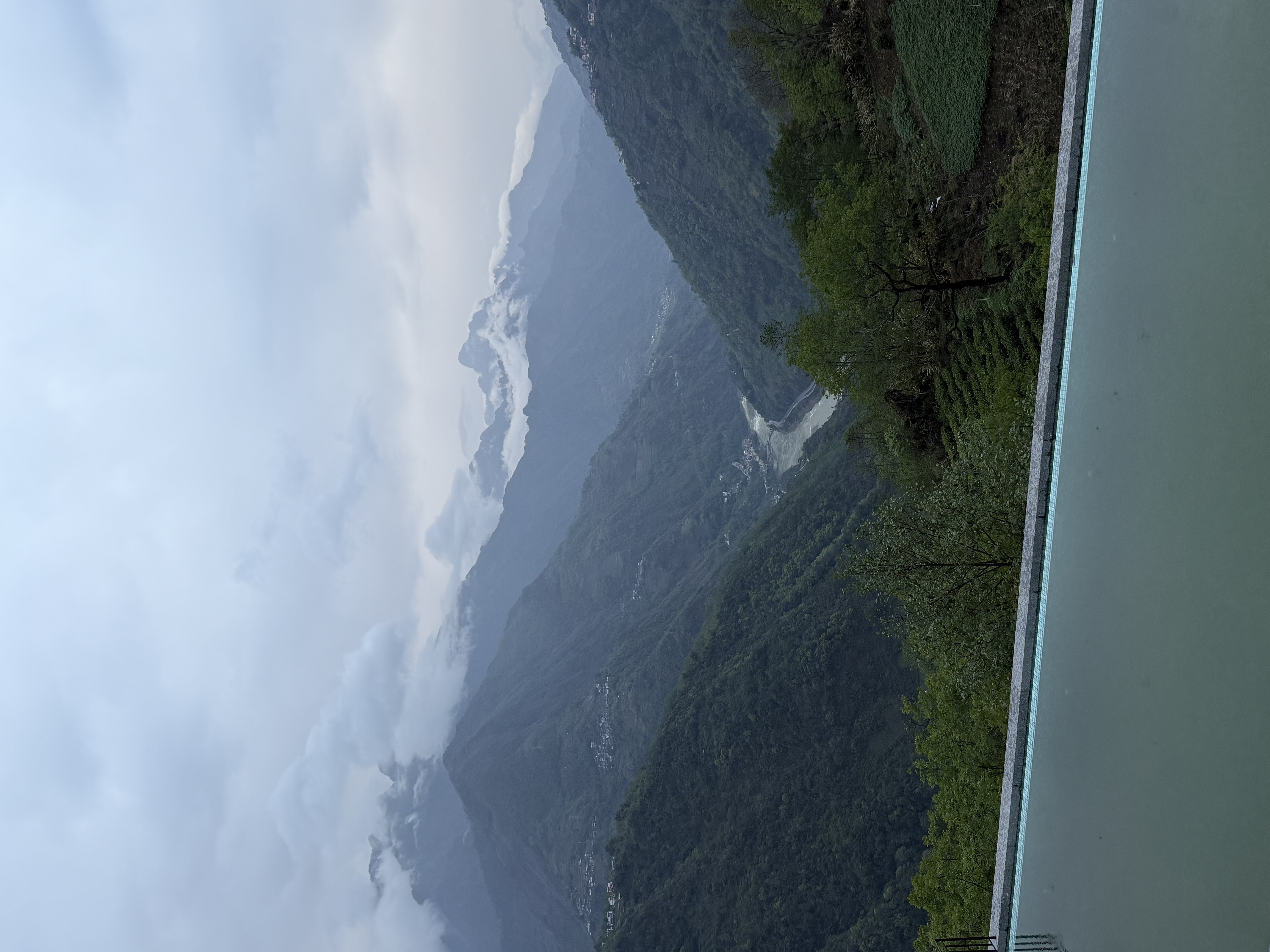
The forests surrounding the Nujiang canyon are among the most species-rich in Asia — a fact directly reflected in the Lisu diet. Communities here have historically eaten not only from cultivated fields but from the forest itself: ferns, wild fungi, mountain tubers, bark teas, and dozens of highland herbs without common names in Mandarin or English. Foraged foods carry a microbial complexity that cultivated vegetables grown in consistent, cleared-field conditions simply cannot replicate. Gut microbiome data from populations with access to diverse wild plant foods consistently shows broader microbial diversity — the kind of diversity associated with lower rates of chronic disease. These people were not foraging for novelty. The forest offered this, and their bodies adapted over generations to make full use of it.
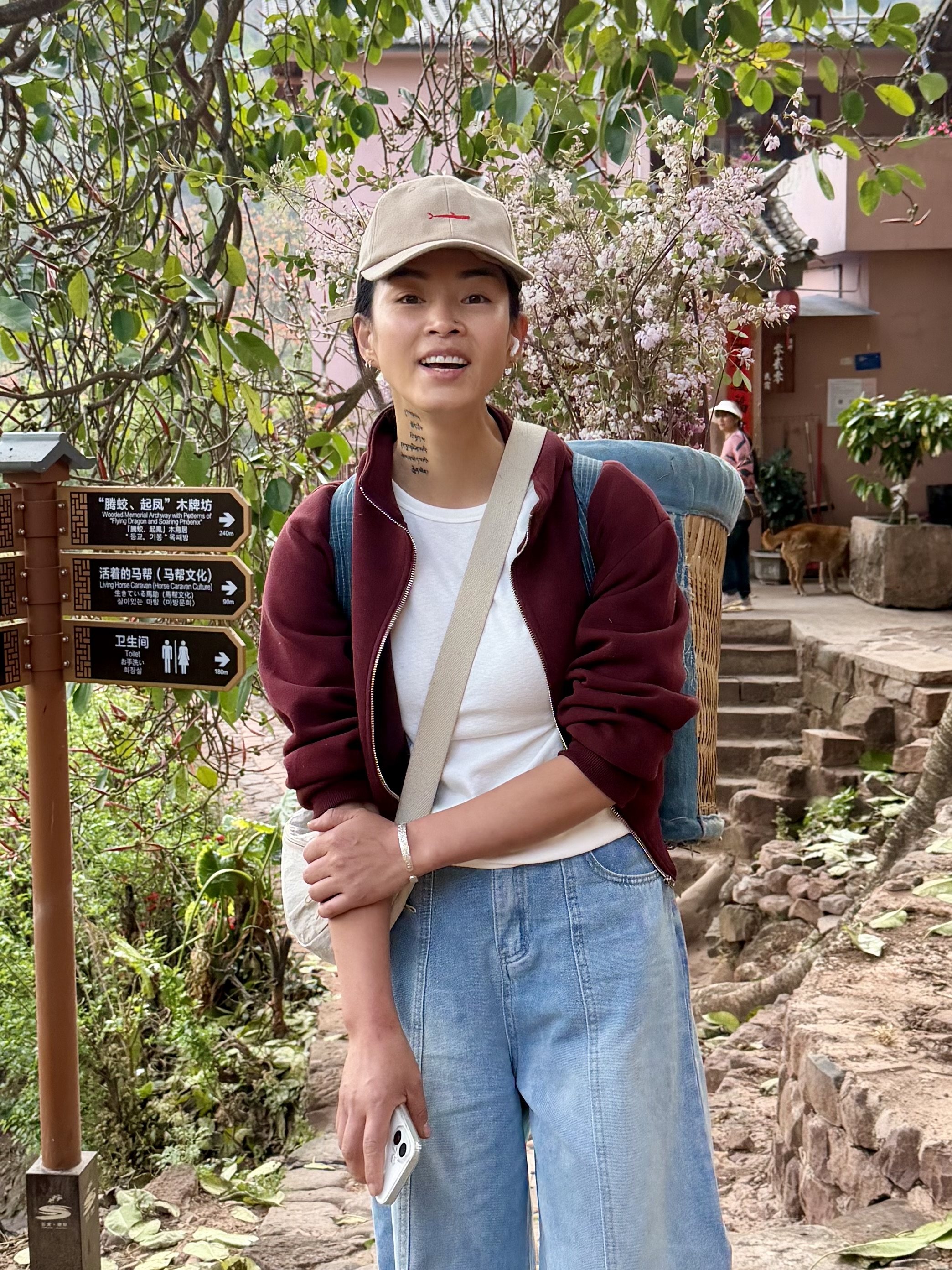
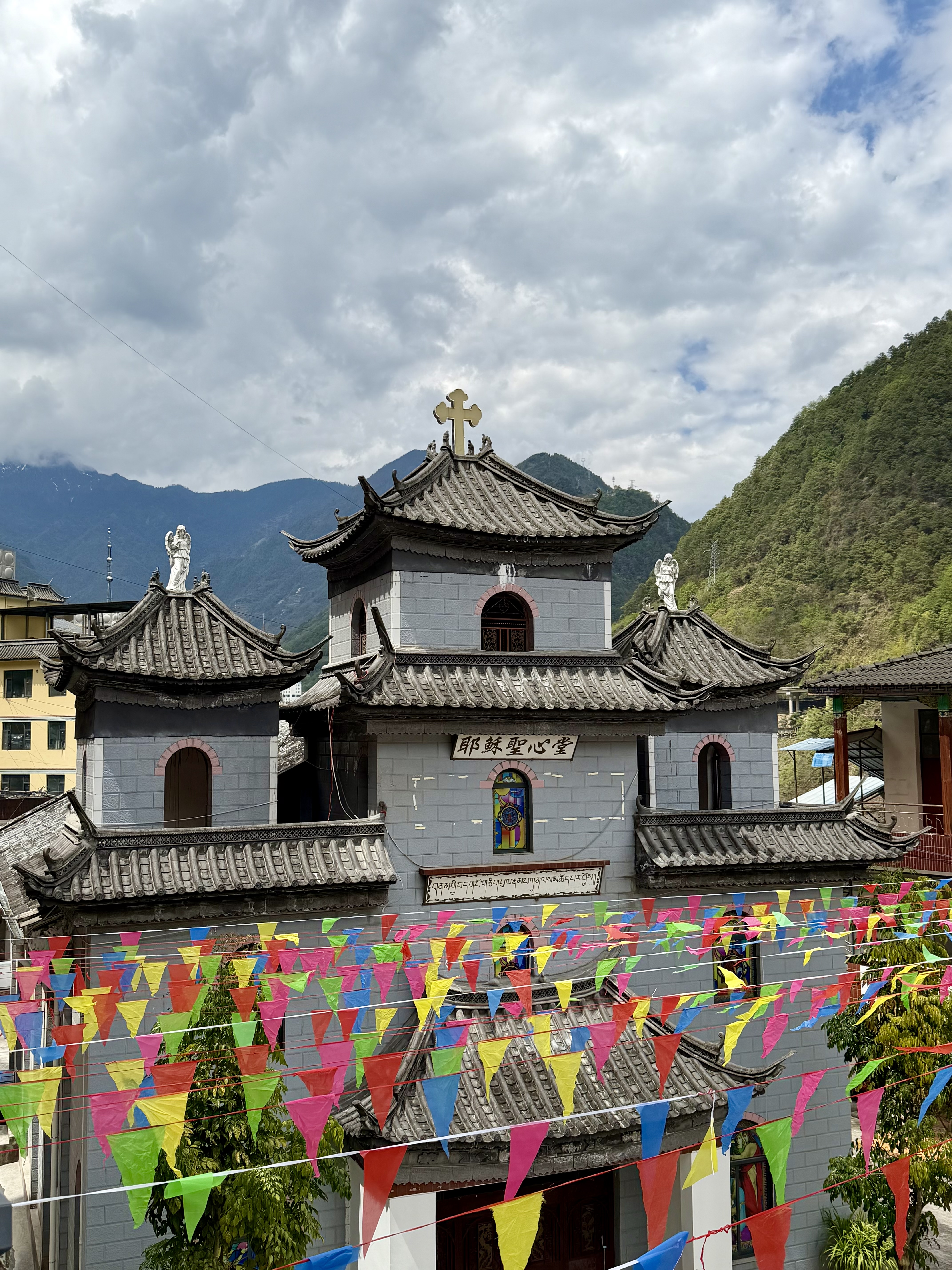
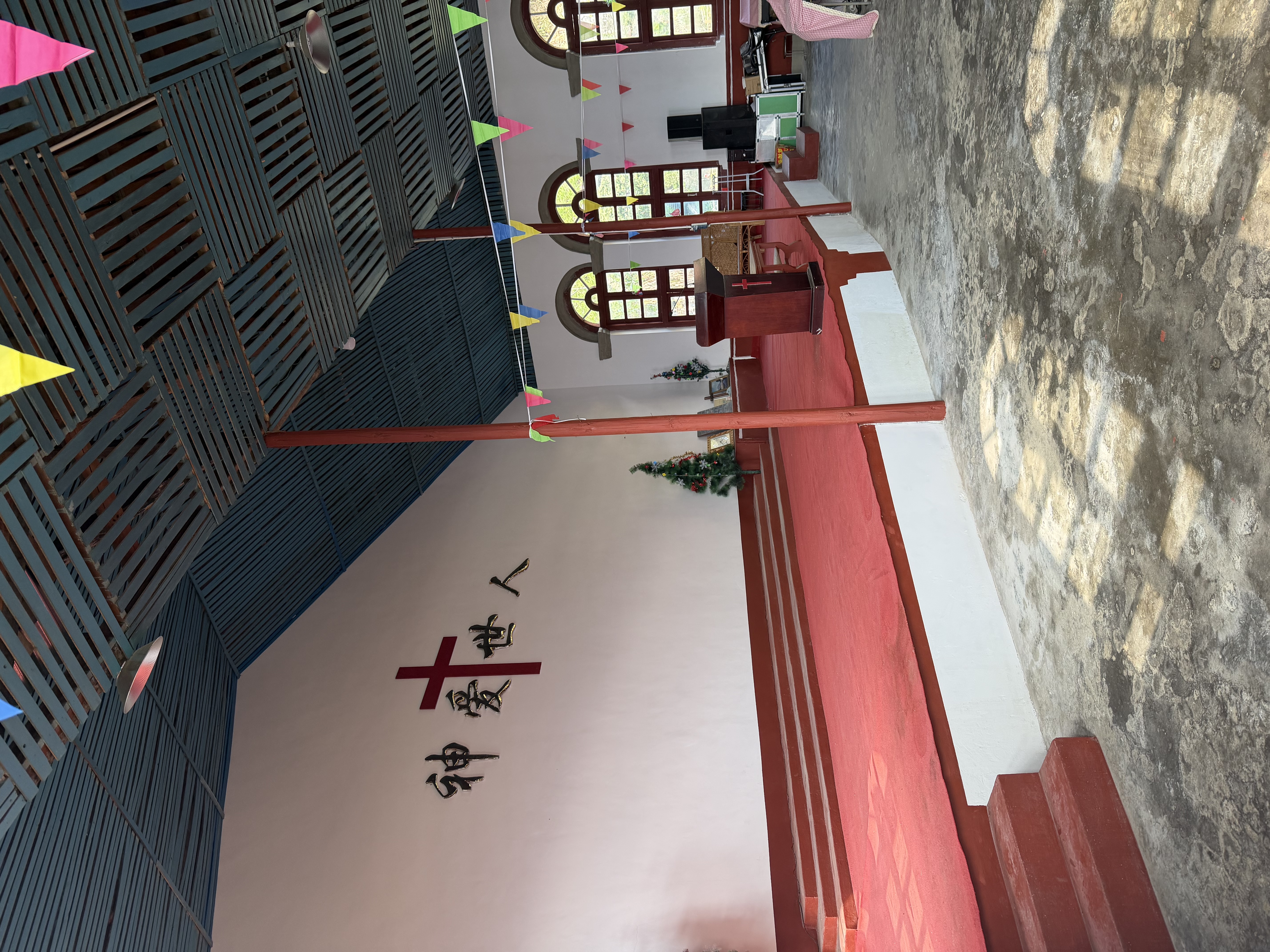
Along G219 in the Nujiang valley, Old Lisu Script appeared in many places: road signs, church notice boards, exterior walls of certain village buildings. We stopped at a small church whose door stood open. Someone inside was sweeping — an older Lisu woman. We asked in Mandarin if we could look around. She nodded.
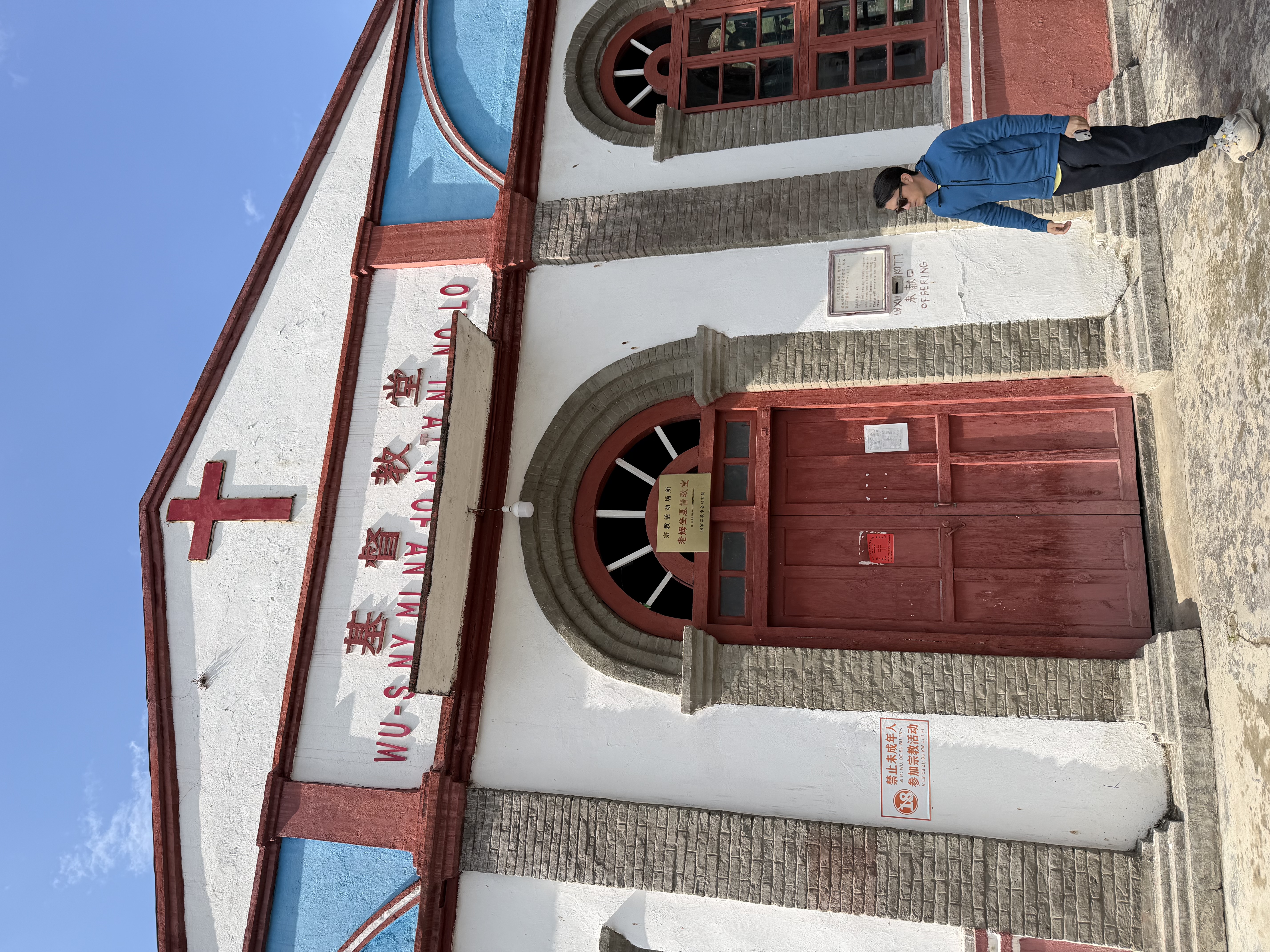
The church notice board was written in Old Lisu Script — service times, Bible passages. I photographed several notices, but what struck me more was the script's survival rate: a missionary tool created over a hundred years ago, still in use, still being transmitted, still hand-written with brush or pen onto paper and pinned to noticeboards. This is not common. Many minority scripts disappeared within decades of creation; Old Lisu Script survived because it carries both language and faith simultaneously.
I should say something honestly to anyone planning to visit Nujiang: Laomudeng — the village described online as a hidden paradise — is now overcrowded and over-touristed. We arrived, stayed in the car park for ten minutes, and drove away. The photos on Xiaohongshu are probably five years old.
But go deeper — leave the main road, follow the branch tracks into villages the algorithm has not reached — and you find something entirely different. We found two small churches that I cannot find any photos of online. One had Old Lisu Script carved into its exterior wall. No tourists. Just us and a villager curious about where we came from.
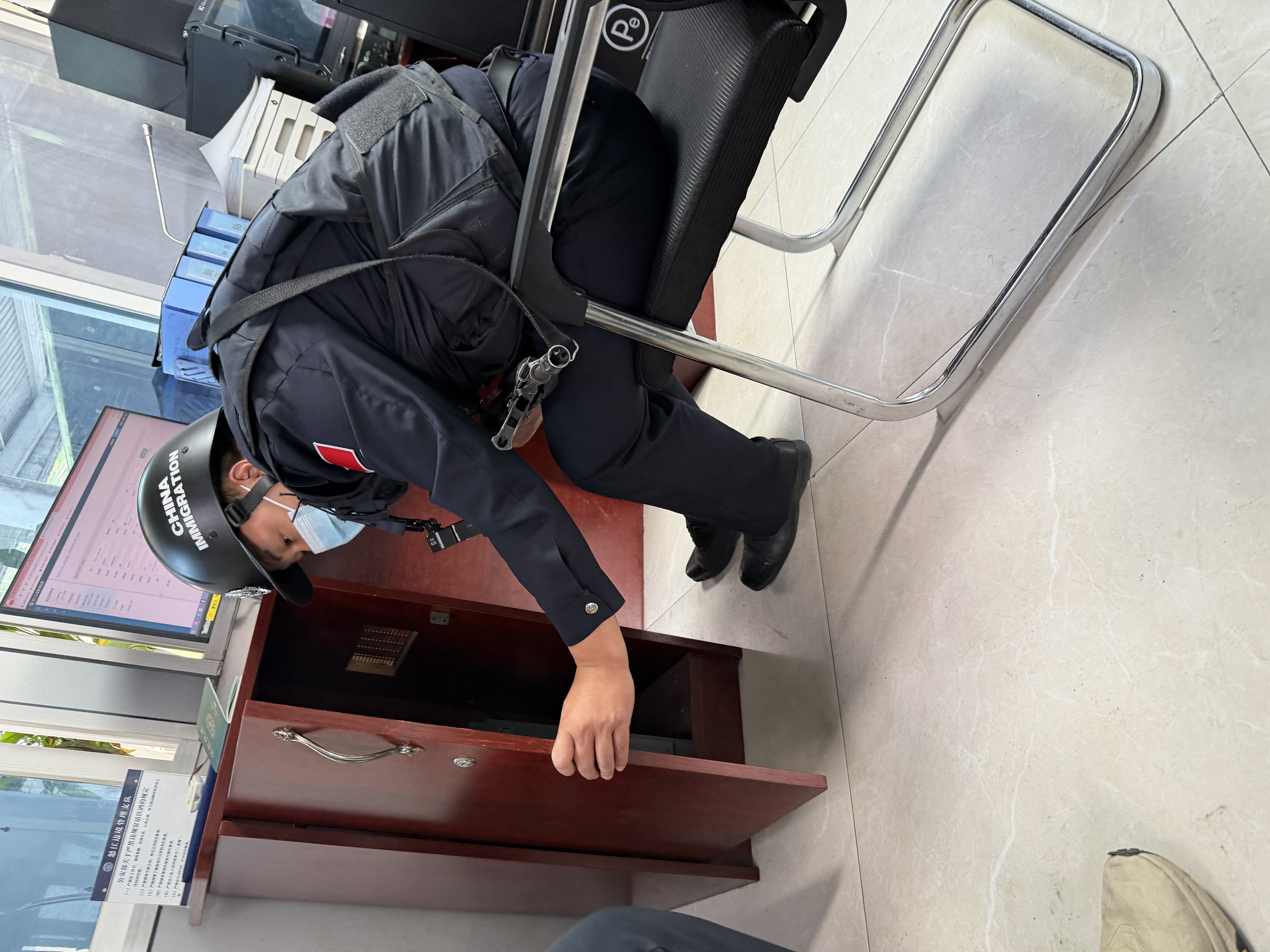
Driving near the border, you encounter checkpoints. Our faces were obviously non-local, so we were stopped for document checks. Armed soldiers, but no tension — one of them spotted Hwan's Hong Kong face and switched to Cantonese: "You from Hong Kong?" The soldier was transferred from Guangdong. We chatted for a few minutes in Cantonese at the checkpoint. Then they waved us through.
Standing at that church doorway, I thought about what GutCommon does. Old Lisu Script survived not through museum preservation but through actual use — worship, notices, daily writing. It is alive because it is still needed. The logic of Nuodeng ham is the same: the craft survives not by being displayed but by being bought, eaten, discussed. Being needed is the most durable form of preservation.
The conditions that make this canyon ecologically significant are the same conditions that make it culturally significant — and the same conditions that make its food culture biologically interesting. Clean air, intact forest, communities still connected to the seasonal rhythms of what grows here. These are not separate things. The preservation of Lisu language and food knowledge is not a museum project. It is a living system that depends on Lisu people continuing to live here, eat from here, and transmit what they know. The most effective form of cultural conservation is economic: when a community can sustain itself from its own knowledge, the knowledge survives.
This is what we have always believed. To learn more about what GutCommon does, read our story.