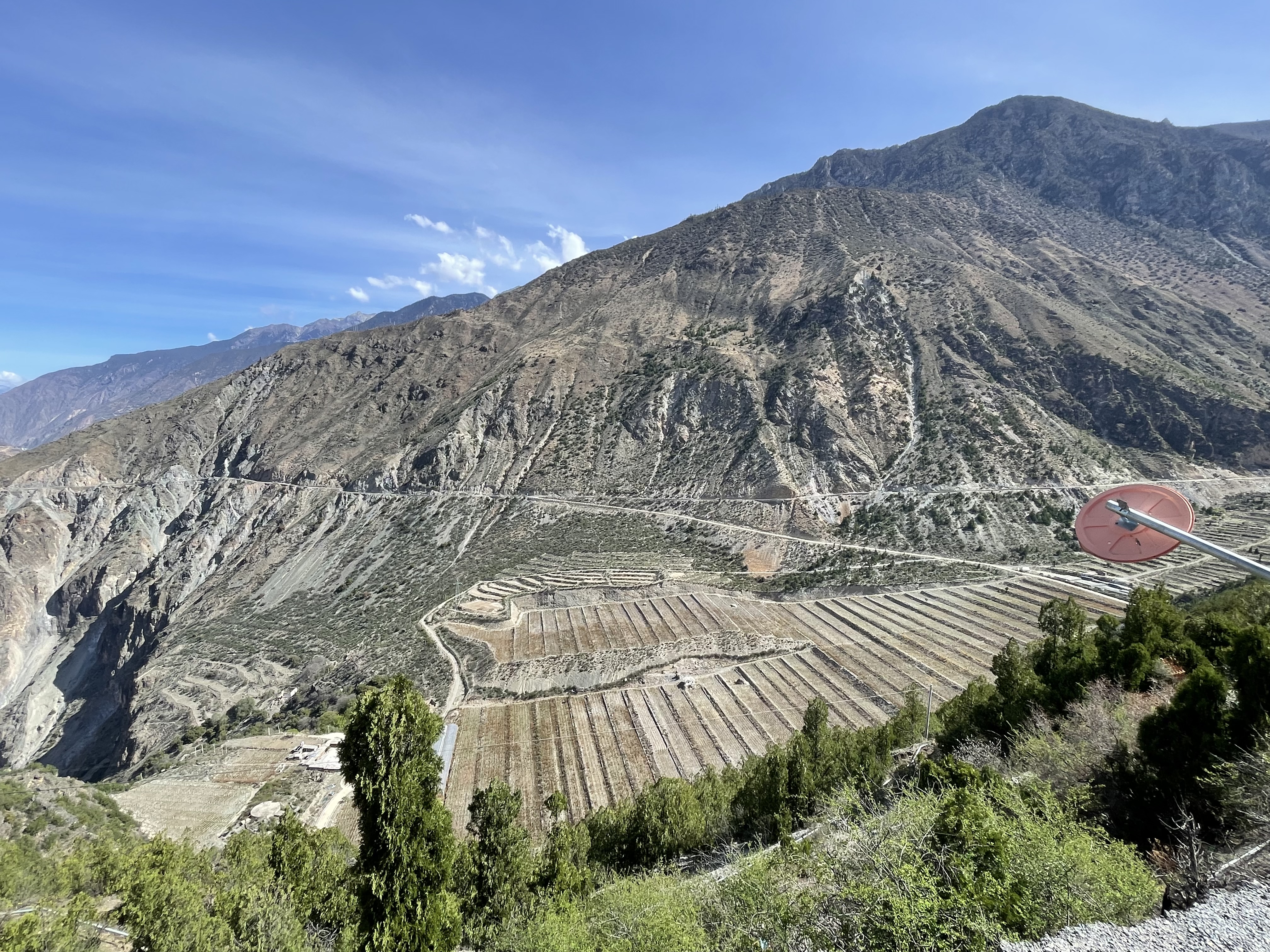
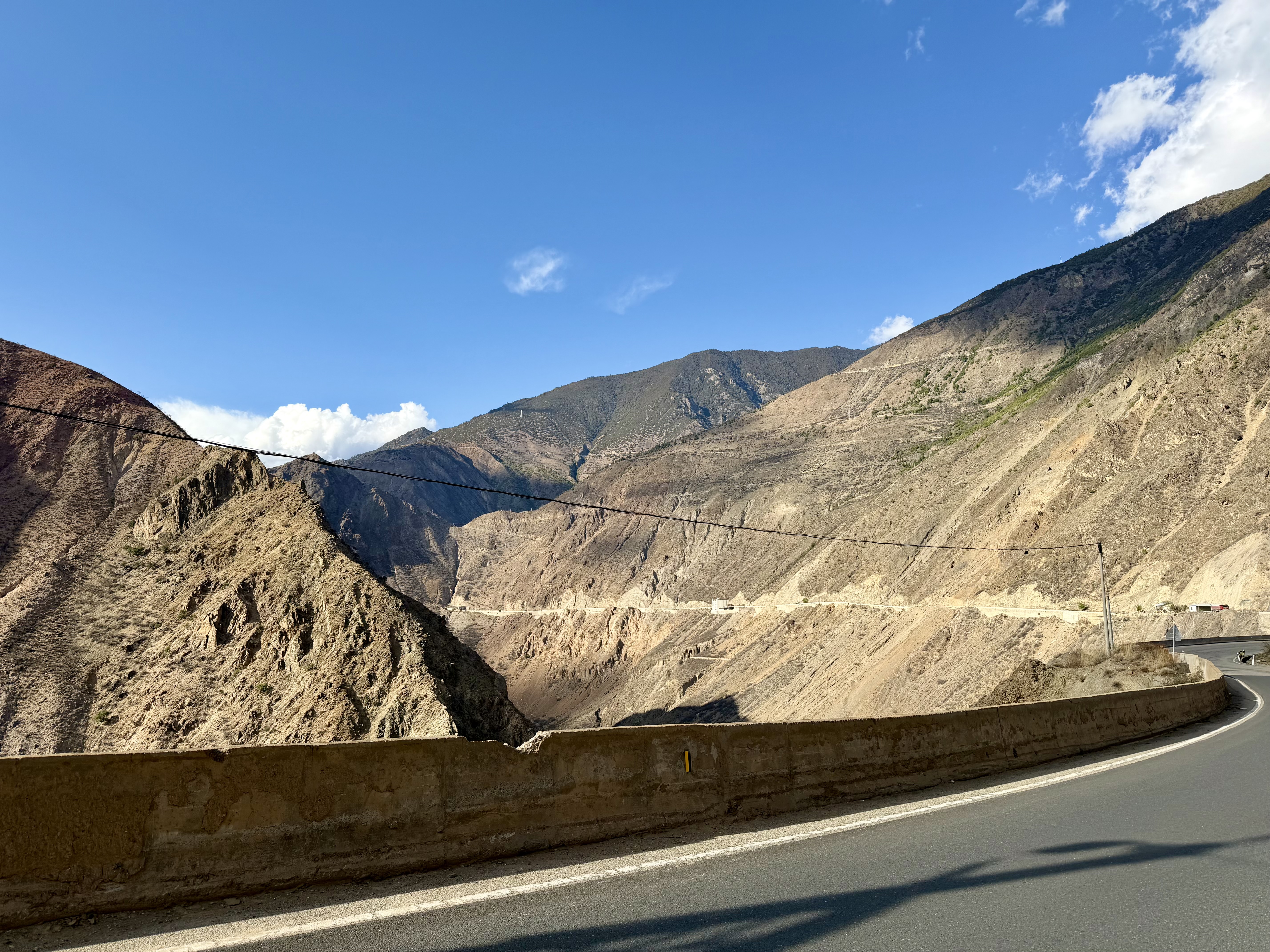
從瀾滄江峽谷的公路往上看,葡萄園藏在地形的皺褶裡——你要在正確的角度停車,才能看到那些齊整的木樁從坡面冒出來,如同某種人為的秩序,強行植入一片本不打算讓人輕易耕作的地形。公路下方是峽谷。公路兩側是幾乎垂直的崩積坡。而在坡地和葡萄園之間,有一排排用鐵絲籠裝著鵝卵石砌成的石牆——石籠牆,鉛絲籠。
Looking up from the road along the Lancang River gorge, the vineyard hides in a fold of the terrain. Stop at the right angle and you see wooden vine stakes emerging from the slope — a human order imposed on ground that had no intention of being farmed easily. Below: the canyon. On either side: near-vertical scree slopes. Between the slope and the vineyard: rows of wire cages packed with rounded cobblestones — gabion retaining walls.
第一次看到這些石籠牆,我以為是路邊的普通防坍措施。在橫斷山脈,這種結構並不罕見——岩崩、土石流、坡面侵蝕,是這一帶工程師日常要應對的問題。但這裡的石籠牆不是防路的,而是防山的——防止坡面在每一場雨後繼續下滑,防止幾百公尺斜坡上的沖積物把下方的葡萄園一起帶走。這些石籠牆存在的理由,就是葡萄藤存在的代價。
I first assumed these were standard roadside erosion control. In the Hengduan Mountains, such structures are common — rockfall, mudslides, slope erosion are routine problems. But these walls are not protecting the road. They are holding the mountain from continuing its slow collapse, keeping the alluvial scree from carrying the vineyard below along with it. The reason these walls exist is the cost of growing a vine here.
土壤是什麼:沖積物、頁岩與石灰岩
從石籠牆裡填充的鵝卵石,就可以讀出這裡的地質歷史。那些圓潤的石頭,是被水磨過的——不是現在的雨水,而是幾千年前瀾滄江更高水位時的河流沖刷。這裡是一片沖積坡,由古代河流帶來的碎礫、頁岩碎片和石灰岩薄片層層堆積而成。這種土壤,在農業上近乎「貧瘠」的定義:幾乎沒有有機質,排水快到不留情面,根部要找到養分就必須向下挖。
The rounded cobblestones packed into the gabion cages are themselves a geological record — their smoothness made by the ancient Lancang River at a much higher water level, thousands of years ago. This is an alluvial slope: layers of water-worn gravel, shale fragments, and thin limestone plates. Agronomically, it sits close to the definition of "poor": almost no organic matter, drainage that shows no mercy, roots forced to dig deep before finding anything worth absorbing.
這種貧瘠,是葡萄酒釀造者夢寐以求的。葡萄藤在舒適的環境裡,會選擇把能量用於生長葉片和枝條——產量上去了,但果實的濃縮度下來了。把葡萄藤逼入貧瘠的土壤,迫使它把全部精力集中在少量的果實上:每一串葡萄,都是藤蔓在艱難環境中掙扎的結晶。這就是勃艮第的石灰岩坡地、波爾多的礫石沙地,以及梅里雪山這片沖積碎石坡的共同邏輯——貧瘠的土壤,造就有深度的葡萄酒。
This poverty is what winemakers dream of. Vines in comfortable soil spend their energy on leaves and shoots — yield rises, concentration falls. Force a vine into poor ground and it redirects everything into the small amount of fruit it manages to set. Each bunch becomes the distillation of a vine's struggle. This is the shared logic of Burgundy's limestone slopes, Bordeaux's gravel banks, and this alluvial scree field below Meili: impoverished soil produces wine with depth.
海拔做了什麼:紫外線、溫差與葡萄皮
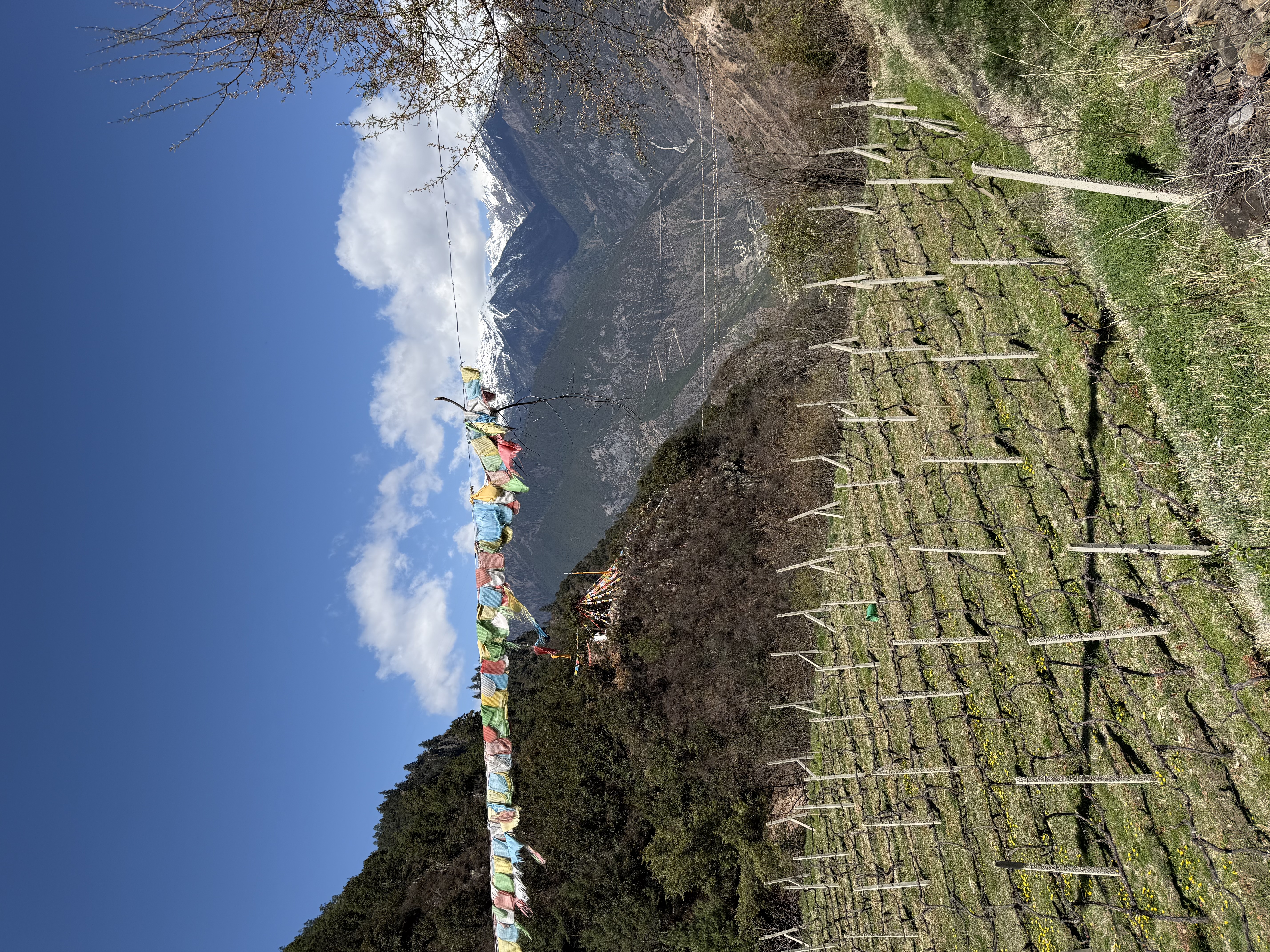
這片葡萄園坐落在海拔大約2,200至2,600米之間。在這個高度,大氣稀薄,紫外線照射比海平面強出三成至四成。葡萄藤的反應是長出更厚的果皮,作為自我保護的屏障。厚皮,在釀酒的語言裡,意味著更高濃度的花青素(顏色的來源)和多酚(單寧的來源)。這就是為什麼梅里雪山產區的葡萄酒,視覺上往往呈現近乎不透明的深寶石紅——陽光直接刻在果皮上的記號。
This vineyard sits at roughly 2,200 to 2,600 metres. At this altitude, UV radiation is thirty to forty percent stronger than at sea level. The vine's response is to develop thicker skin as a protective barrier. Thick skin means higher concentrations of anthocyanins (colour) and polyphenols (tannin). This is why Meili Snow Mountain wines appear almost opaque in the glass — the direct imprint of sunlight on fruit that had to defend itself.
另一個高海拔的物理現實:晝夜溫差。在夏季生長季,這裡白天可達25–30℃,夜晚迅速降至8–12℃。白天的熱量讓糖分積累和果實發育;夜間的低溫讓葡萄藤減緩代謝,鎖住了酸度——那些在溫暖氣候下早早被分解的蘋果酸,在這裡得以保留。結果是一款同時具備豐富性和張力的葡萄酒:濃郁但不甜膩,有力但不沉重。
A second physical reality: diurnal temperature range. During the growing season, daytime temperatures reach 25–30°C, falling to 8–12°C at night. Warm days drive sugar accumulation; cold nights lock in acidity — malic acid that would be metabolised away in warmer climates is preserved here. The result: simultaneous richness and tension, concentrated without being heavy.
石籠牆說了什麼:掙扎是頂級風味的條件
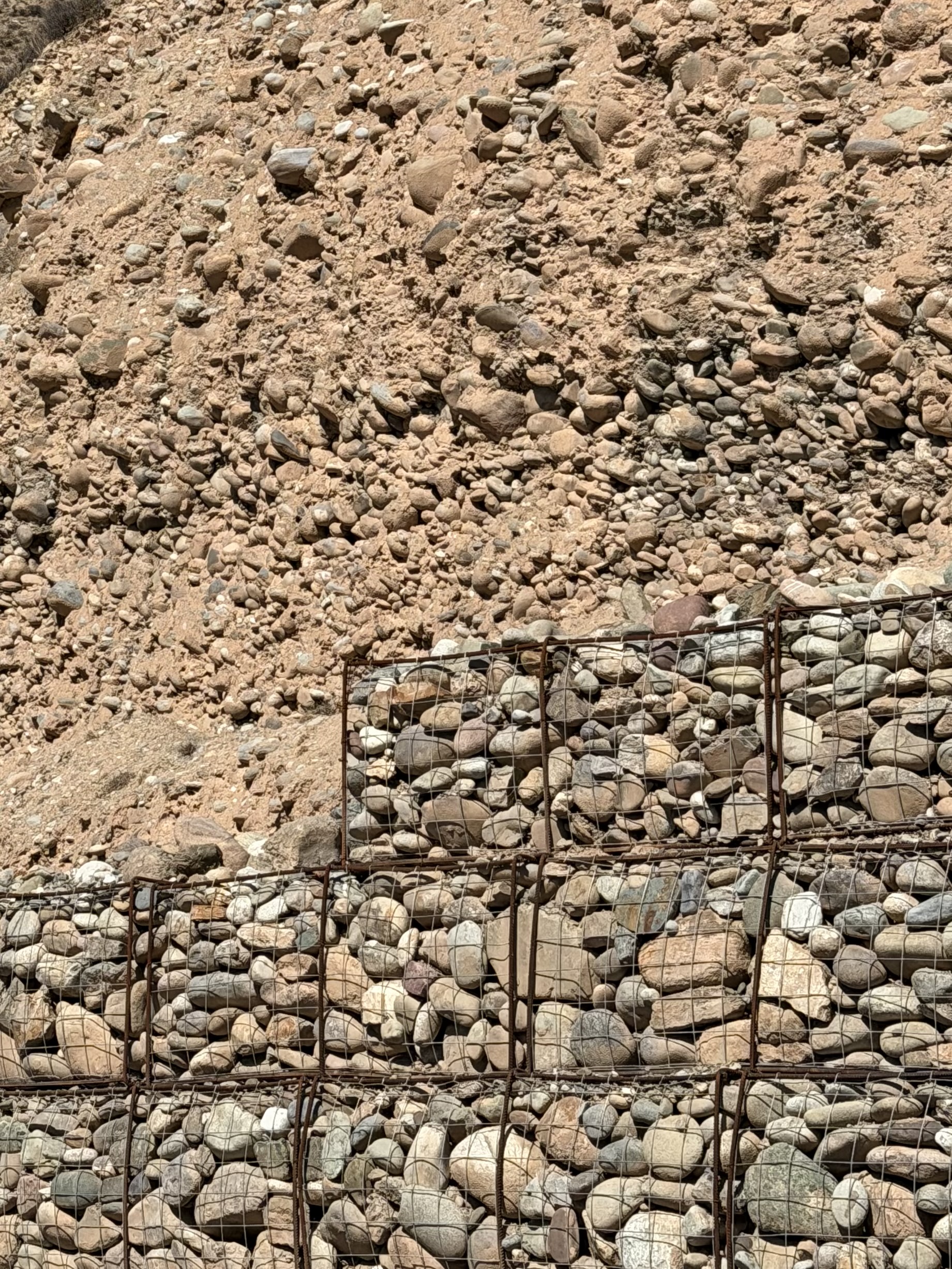
回到那些石籠牆。它們不只是工程結構——它們是一個地方試圖告訴你它有多難耕作的方式。在坡度超過35度的斜坡上種植葡萄,在每一場雨後都必須與坡面侵蝕對抗,在可能發生凍害的海拔堅持讓葡萄藤安全越冬——這些都是石籠牆存在的理由,也是這裡的葡萄酒之所以不普通的理由。
Back to the gabion walls. They are a place's way of telling you how difficult it is to work here. Growing vines on slopes of more than 35 degrees, fighting erosion after every rainstorm, keeping vines alive through winters at an elevation where frost is a realistic annual risk — these are the reasons the walls exist, and the reasons the wine grown here is not ordinary.
照片中這些用來防止水土流失的石籠牆,正體現了在這種險峻環境中種植葡萄的掙扎——而這種掙扎,往往就是頂級葡萄酒靈魂的來源。
在杯中:這種風土的味道
梅里雪山產區的赤霞珠,倒進杯中,你會先被顏色說服。近乎不透明的深寶石紅,帶紫羅蘭邊緣——這是高海拔厚皮葡萄的視覺簽名。鼻子裡,頭幾秒是黑色果實的層次:黑加侖子、黑車厘子、隱約的乾梅。隨著葡萄酒在杯中打開,更深層的香氣浮現:煙草、乾草藥、一種幾乎像岩石的礦物氣息,有時帶著檀香或雪松的木質底調。
A Cabernet Sauvignon from the Meili Snow Mountain area speaks first through colour: almost opaque deep ruby, violet rim — the visual signature of high-altitude, thick-skinned fruit. On the nose, first dark fruit — blackcurrant, black cherry, a whisper of dried plum. As the wine opens, deeper registers: tobacco, dried herbs, something almost like crushed rock, sometimes cedar or sandalwood.
入口,質地是最大的驚喜。單寧存在感強烈但非常細膩——有力量,卻不粗糙。酸度明顯,帶著清爽的張力。收尾是長而礦物的——有人形容為石墨,有人說是鹽,有人說是那種「咬開一顆冰涼小石頭」的純粹感。這個收尾,是低海拔產區永遠做不到的——不是因為釀酒師的技術,而是因為那些沖積石礫,和那些把坡面撐住的石籠牆。
On the palate, texture surprises most: tannins powerful but finely grained, force without roughness. Acidity pronounced, carrying tension that keeps the wine light despite its concentration. The finish is long and mineral — graphite, salt, or that sensation of biting into a cool clean stone. This finish is what lower-elevation regions cannot replicate — not because of winemaking technique, but because of those alluvial cobblestones, and the gabion walls holding the slope together.
水乳大地:這片土壤上的一種答案
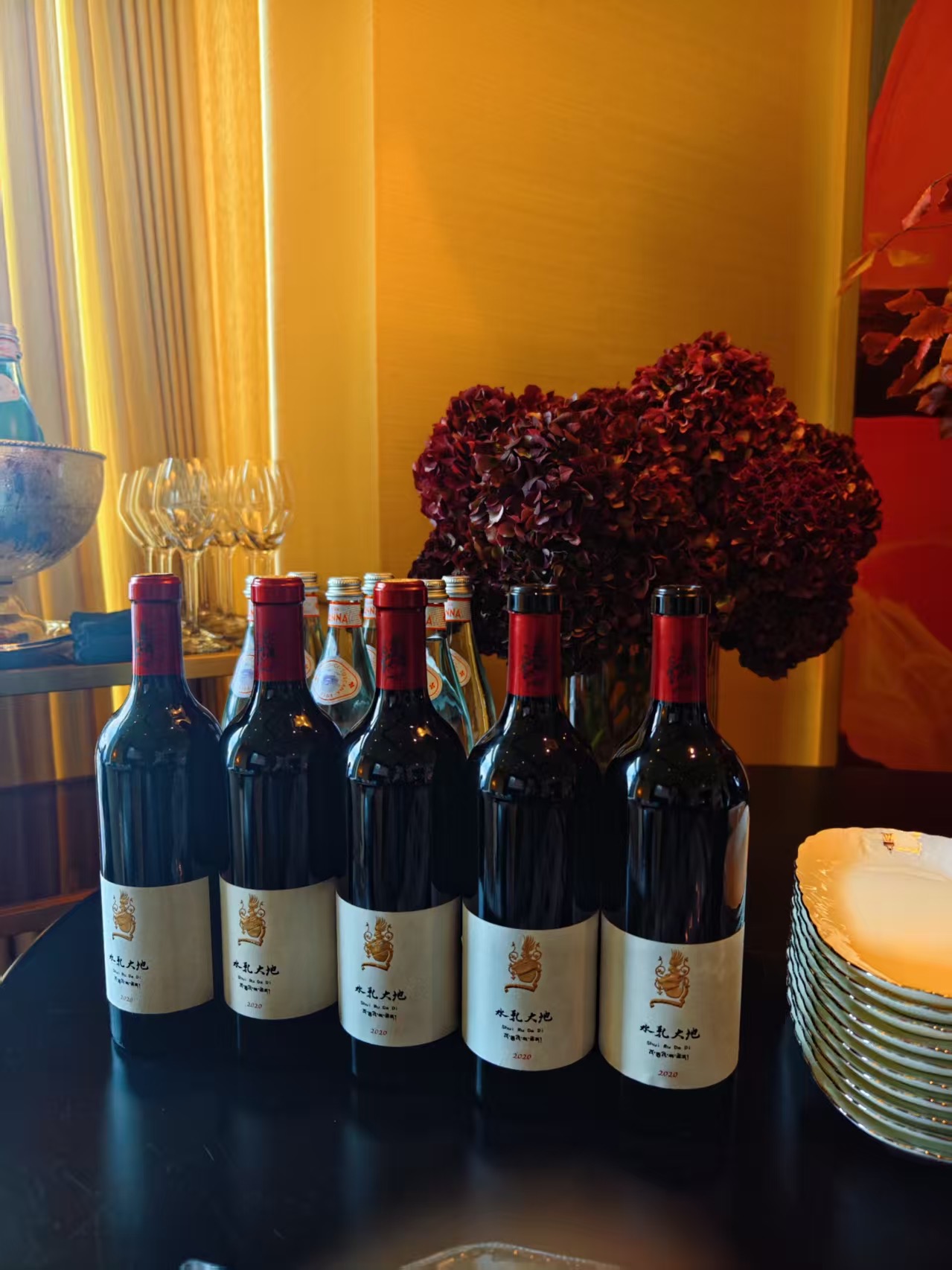
梅里雪山地區最廣為人知的葡萄酒是LVMH旗下的傲雲(Ao Yun)。但這個地區不只屬於一個品牌。GutCommon代理的水乳大地,同樣來自這片山谷——同樣的沖積土,同樣的海拔,同樣的晝夜溫差——由一位瑞士釀酒師與一位在這片山谷長大的藏族女性共同釀製,在無釉陶罐中陳化,完全不加橡木。
The best-known wine from this area internationally is Ao Yun, made by LVMH. But this region does not belong to one label. 水乳大地 — the wine GutCommon represents — comes from the same valley: the same alluvial soil, the same elevation, the same diurnal range. Made by a Swiss winemaker and a Tibetan woman who grew up here, aged in unlined clay pots, with no oak at all.
陶罐陳化,在這個脈絡裡是哲學的延伸:如果這片土壤的意義在於它的地方性,那麼把葡萄酒放進橡木桶,就是在這個地方性上加蓋一層外來的風味。陶罐讓葡萄酒微氧化、讓單寧整合,但不加入任何不屬於這個山谷的味道。石籠牆裡的鵝卵石是什麼礦物,酒裡就有什麼礦物。這是一種誠實的釀酒哲學,從土壤開始,到杯中結束。
Clay pot ageing here is a philosophical extension: if the meaning of this soil lies in its specificity, placing the wine in oak adds a layer of external flavour over that specificity. Clay pots allow micro-oxygenation and tannin integration without adding anything that doesn't belong to this valley. Whatever minerals are in those gabion cobblestones, those are the minerals in the wine. Honest winemaking: beginning from the soil, ending in the glass, nothing obscured in between.
要了解水乳大地的完整故事,請看這篇文章。要了解梅里雪山風土的地理背景,請看梅里雪山風土指南。如果想直接了解這款酒,請到我們的葡萄酒頁面。
To read the full story of 水乳大地, see our dedicated post. For the geographical context, see the Meili terroir guide. To enquire about the wine, visit our wine page.